Lower Costs for Everyday Americans Act
USA119th CongressHR-1768| House
| Updated: 3/3/2025
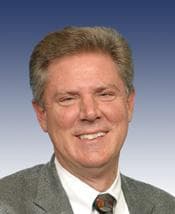
Frank Pallone
Democratic Representative
New Jersey
Ways and Means Committee, Judiciary Committee, Energy and Commerce Committee, Education and Workforce Committee, Budget Committee
- Introduced
- In Committee
- On Floor
- Passed Chamber
- Enacted
This comprehensive legislation addresses a wide array of issues aimed at reducing consumer costs and enhancing public services. Division A focuses on environmental provisions, including the establishment of a Recycling Infrastructure and Accessibility Program, mandates for reporting on composting and recycling capabilities, and reauthorization of the Diesel Emissions Reduction Act. It also includes the Nationwide Consumer and Fuel Retailer Choice Act, which provides an ethanol waiver and addresses renewable fuel market manipulation. Division B, covering commerce, introduces several consumer protection and economic resilience measures. Key provisions include banning products with high concentrations of sodium nitrite, establishing consumer product safety standards for certain batteries, and requiring transparency regarding foreign ownership in FCC-authorized entities. The bill also aims to promote resilient supply chains by creating a working group and assessing vulnerabilities, and it establishes Department of Commerce leadership on blockchain technology . Further, it seeks to enhance transparency in hotel fees and event ticketing by mandating all-inclusive price disclosures and banning speculative ticketing. Other commerce-related titles address secure space communications, rural broadband vetting, informing consumers about smart devices with cameras/microphones, and securing semiconductor supply chains. It also reauthorizes the National Telecommunications and Information Administration (NTIA) and mandates a study on national security risks posed by certain routers and modems. Division C, dedicated to health, proposes significant changes and extensions across Medicaid and Medicare. For Medicaid, it streamlines out-of-state provider enrollment, adjusts coverage for home or community-based services, and removes age restrictions for working adults with disabilities. It also ensures address reliability for enrollees and modifies disproportionate share hospital allotments and pharmacy payment rules to prevent abusive spread pricing. Under Medicare, the bill extends increased payments for low-volume hospitals and ambulance services, continues incentive payments for alternative payment models, and provides a temporary physician fee schedule increase. It also extends various telehealth flexibilities, enhances program integrity for durable medical equipment, and mandates Medicare coverage for multi-cancer early detection screening tests. Furthermore, it addresses pharmacy access and choice for beneficiaries and modernizes pharmacy benefit manager (PBM) accountability. The health division also reauthorizes numerous public health programs, including those for community health centers, special diabetes programs, and the 9/11 World Trade Center Health Program. It reauthorizes the SUPPORT Act to combat the opioid crisis, focusing on prevention, treatment, and recovery, and strengthens pandemic and all-hazards preparedness and response capabilities. Finally, it includes provisions for FDA authorities related to pediatric drugs, rare pediatric diseases, and establishes an Abraham Accords Office within the FDA.
Suggested Questions
Get AI-generated questions to help you understand this bill better
Timeline
Introduced in House
Referred to the Committee on Energy and Commerce, and in addition to the Committees on Ways and Means, the Budget, the Judiciary, and Education and Workforce, for a period to be subsequently determined by the Speaker, in each case for consideration of such provisions as fall within the jurisdiction of the committee concerned.
Health
Lower Costs for Everyday Americans Act
USA119th CongressHR-1768| House
| Updated: 3/3/2025
This comprehensive legislation addresses a wide array of issues aimed at reducing consumer costs and enhancing public services. Division A focuses on environmental provisions, including the establishment of a Recycling Infrastructure and Accessibility Program, mandates for reporting on composting and recycling capabilities, and reauthorization of the Diesel Emissions Reduction Act. It also includes the Nationwide Consumer and Fuel Retailer Choice Act, which provides an ethanol waiver and addresses renewable fuel market manipulation. Division B, covering commerce, introduces several consumer protection and economic resilience measures. Key provisions include banning products with high concentrations of sodium nitrite, establishing consumer product safety standards for certain batteries, and requiring transparency regarding foreign ownership in FCC-authorized entities. The bill also aims to promote resilient supply chains by creating a working group and assessing vulnerabilities, and it establishes Department of Commerce leadership on blockchain technology . Further, it seeks to enhance transparency in hotel fees and event ticketing by mandating all-inclusive price disclosures and banning speculative ticketing. Other commerce-related titles address secure space communications, rural broadband vetting, informing consumers about smart devices with cameras/microphones, and securing semiconductor supply chains. It also reauthorizes the National Telecommunications and Information Administration (NTIA) and mandates a study on national security risks posed by certain routers and modems. Division C, dedicated to health, proposes significant changes and extensions across Medicaid and Medicare. For Medicaid, it streamlines out-of-state provider enrollment, adjusts coverage for home or community-based services, and removes age restrictions for working adults with disabilities. It also ensures address reliability for enrollees and modifies disproportionate share hospital allotments and pharmacy payment rules to prevent abusive spread pricing. Under Medicare, the bill extends increased payments for low-volume hospitals and ambulance services, continues incentive payments for alternative payment models, and provides a temporary physician fee schedule increase. It also extends various telehealth flexibilities, enhances program integrity for durable medical equipment, and mandates Medicare coverage for multi-cancer early detection screening tests. Furthermore, it addresses pharmacy access and choice for beneficiaries and modernizes pharmacy benefit manager (PBM) accountability. The health division also reauthorizes numerous public health programs, including those for community health centers, special diabetes programs, and the 9/11 World Trade Center Health Program. It reauthorizes the SUPPORT Act to combat the opioid crisis, focusing on prevention, treatment, and recovery, and strengthens pandemic and all-hazards preparedness and response capabilities. Finally, it includes provisions for FDA authorities related to pediatric drugs, rare pediatric diseases, and establishes an Abraham Accords Office within the FDA.
Suggested Questions
Get AI-generated questions to help you understand this bill better
Timeline
Introduced in House
Referred to the Committee on Energy and Commerce, and in addition to the Committees on Ways and Means, the Budget, the Judiciary, and Education and Workforce, for a period to be subsequently determined by the Speaker, in each case for consideration of such provisions as fall within the jurisdiction of the committee concerned.
Frank Pallone
Democratic Representative
New Jersey
Ways and Means Committee, Judiciary Committee, Energy and Commerce Committee, Education and Workforce Committee, Budget Committee
Health
Related Bills
- S 119-257: Promoting Resilient Supply Chains Act of 2025
- S 119-891: Bipartisan Health Care Act
- HR 119-2145: Recycling Infrastructure and Accessibility Act of 2025
- S 119-266: Dr. Lorna Breen Health Care Provider Protection Reauthorization Act
- HR 119-633: TAKE IT DOWN Act
- HR 119-2444: Promoting Resilient Supply Chains Act of 2025
- S 119-314: Hotel Fees Transparency Act of 2025
- HR 119-1403: LIVE Beneficiaries Act
- S 119-678: LIVE Beneficiaries Act
- HR 119-1197: PREEMIE Reauthorization Act of 2025
- Introduced
- In Committee
- On Floor
- Passed Chamber
- Enacted