Recycling Infrastructure and Accessibility Act of 2025
USA119th CongressHR-2145| House
| Updated: 5/21/2026
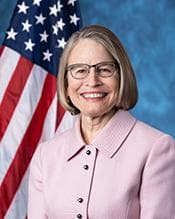
Mariannette Miller-Meeks
Republican Representative
Iowa
Cosponsors (30)
Barry Moore (Republican)John Garamendi (Democratic)Chris Pappas (Democratic)Marc A. Veasey (Democratic)Mikie Sherrill (Democratic)Jennifer L. McClellan (Democratic)Darren Soto (Democratic)Sanford D. Bishop (Democratic)Claudia Tenney (Republican)Troy A. Carter (Democratic)Eugene Simon Vindman (Democratic)Thomas R. Suozzi (Democratic)Haley M. Stevens (Democratic)Rudy Yakym (Republican)Barry Loudermilk (Republican)Gus M. Bilirakis (Republican)Jasmine Crockett (Democratic)David P. Joyce (Republican)Doris O. Matsui (Democratic)Josh Harder (Democratic)Lucy McBath (Democratic)Austin Scott (Republican)James Comer (Republican)Sharice Davids (Democratic)Josh Riley (Democratic)Joe Neguse (Democratic)Michael Lawler (Republican)Robert P. Bresnahan (Republican)Jason Crow (Democratic)Susie Lee (Democratic)
Environment Subcommittee, Energy and Commerce Committee
- Introduced
- In Committee
- On Floor
- Passed Chamber
- Enacted
This legislation establishes the Recycling Infrastructure and Accessibility Program , a pilot grant initiative to be administered by the Environmental Protection Agency (EPA). The program's primary goal is to significantly improve accessibility to recycling systems, particularly in underserved communities , through strategic investments in infrastructure. It aims to achieve this by funding eligible projects that utilize a hub-and-spoke model for recycling infrastructure development. Eligible entities for these competitive grants include states, local governments, Indian Tribes, and public-private partnerships. Grant funds can be used for projects such as increasing the number of transfer stations , expanding curbside recycling collection programs where appropriate, and leveraging public-private partnerships to reduce costs associated with collecting and transporting recyclable materials. However, funds are explicitly prohibited from being used for recycling education programs. The EPA will prioritize projects in communities lacking curbside recycling or those with limited access to materials recovery facilities, specifically not more than one within a 75-mile radius. Grants will range from $500,000 to $15,000,000, with at least 70 percent of funds set aside for projects in underserved communities. The federal share for projects is capped at 90 percent, though this can be waived in cases of significant financial hardship. The bill authorizes $30,000,000 annually for fiscal years 2025 through 2029 to fund the program, with a reporting requirement for the EPA on the program's implementation and impact on recycling rates.
View Full TextSuggested Questions
Get AI-generated questions to help you understand this bill better
Timeline
Introduced in House
Referred to the Subcommittee on Environment.
Referred to the House Committee on Energy and Commerce.
Subcommittee Consideration and Mark-up Session Held
Forwarded by Subcommittee to Full Committee (Amended) by Voice Vote.
Committee Consideration and Mark-up Session Held
Ordered to be Reported by the Yeas and Nays: 48 - 0.
Environmental Protection
Congressional oversightGovernment studies and investigationsIndustrial facilitiesIntergovernmental relationsSolid waste and recycling
Recycling Infrastructure and Accessibility Act of 2025
USA119th CongressHR-2145| House
| Updated: 5/21/2026
This legislation establishes the Recycling Infrastructure and Accessibility Program , a pilot grant initiative to be administered by the Environmental Protection Agency (EPA). The program's primary goal is to significantly improve accessibility to recycling systems, particularly in underserved communities , through strategic investments in infrastructure. It aims to achieve this by funding eligible projects that utilize a hub-and-spoke model for recycling infrastructure development. Eligible entities for these competitive grants include states, local governments, Indian Tribes, and public-private partnerships. Grant funds can be used for projects such as increasing the number of transfer stations , expanding curbside recycling collection programs where appropriate, and leveraging public-private partnerships to reduce costs associated with collecting and transporting recyclable materials. However, funds are explicitly prohibited from being used for recycling education programs. The EPA will prioritize projects in communities lacking curbside recycling or those with limited access to materials recovery facilities, specifically not more than one within a 75-mile radius. Grants will range from $500,000 to $15,000,000, with at least 70 percent of funds set aside for projects in underserved communities. The federal share for projects is capped at 90 percent, though this can be waived in cases of significant financial hardship. The bill authorizes $30,000,000 annually for fiscal years 2025 through 2029 to fund the program, with a reporting requirement for the EPA on the program's implementation and impact on recycling rates.
View Full TextSuggested Questions
Get AI-generated questions to help you understand this bill better
Timeline
Introduced in House
Referred to the Subcommittee on Environment.
Referred to the House Committee on Energy and Commerce.
Subcommittee Consideration and Mark-up Session Held
Forwarded by Subcommittee to Full Committee (Amended) by Voice Vote.
Committee Consideration and Mark-up Session Held
Ordered to be Reported by the Yeas and Nays: 48 - 0.
Mariannette Miller-Meeks
Republican Representative
Iowa
Cosponsors (30)
Barry Moore (Republican)John Garamendi (Democratic)Chris Pappas (Democratic)Marc A. Veasey (Democratic)Mikie Sherrill (Democratic)Jennifer L. McClellan (Democratic)Darren Soto (Democratic)Sanford D. Bishop (Democratic)Claudia Tenney (Republican)Troy A. Carter (Democratic)Eugene Simon Vindman (Democratic)Thomas R. Suozzi (Democratic)Haley M. Stevens (Democratic)Rudy Yakym (Republican)Barry Loudermilk (Republican)Gus M. Bilirakis (Republican)Jasmine Crockett (Democratic)David P. Joyce (Republican)Doris O. Matsui (Democratic)Josh Harder (Democratic)Lucy McBath (Democratic)Austin Scott (Republican)James Comer (Republican)Sharice Davids (Democratic)Josh Riley (Democratic)Joe Neguse (Democratic)Michael Lawler (Republican)Robert P. Bresnahan (Republican)Jason Crow (Democratic)Susie Lee (Democratic)
Environment Subcommittee, Energy and Commerce Committee
Environmental Protection
- Introduced
- In Committee
- On Floor
- Passed Chamber
- Enacted
Congressional oversightGovernment studies and investigationsIndustrial facilitiesIntergovernmental relationsSolid waste and recycling