PREEMIE Reauthorization Act of 2025
USA119th CongressHR-1197| House
| Updated: 2/11/2025
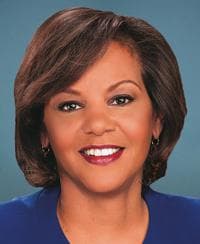
Robin L. Kelly
Democratic Representative
Illinois
Cosponsors (40)
Donald Norcross (Democratic)Joyce Beatty (Democratic)Jennifer L. McClellan (Democratic)Chrissy Houlahan (Democratic)Darren Soto (Democratic)Robert J. Wittman (Republican)Sanford D. Bishop (Democratic)Zachary Nunn (Republican)Shontel M. Brown (Democratic)Mariannette Miller-Meeks (Republican)James R. Walkinshaw (Democratic)Maxwell Frost (Democratic)Steve Cohen (Democratic)Paul Tonko (Democratic)Angie Craig (Democratic)Thomas R. Suozzi (Democratic)Earl L. "Buddy" Carter (Republican)Jake Auchincloss (Democratic)Maria Elvira Salazar (Republican)Henry C. "Hank" Johnson (Democratic)Sheila Cherfilus-McCormick (Democratic)Daniel S. Goldman (Democratic)Jahana Hayes (Democratic)Raja Krishnamoorthi (Democratic)Laurel M. Lee (Republican)Kathy Castor (Democratic)Eleanor Holmes Norton (Democratic)Josh Riley (Democratic)David G. Valadao (Republican)Sarah McBride (Democratic)Brian K. Fitzpatrick (Republican)Lizzie Fletcher (Democratic)Michael Lawler (Republican)Rashida Tlaib (Democratic)Kweisi Mfume (Democratic)Ryan Mackenzie (Republican)Troy Balderson (Republican)Jennifer A. Kiggans (Republican)Lauren Underwood (Democratic)Chellie Pingree (Democratic)
Energy and Commerce Committee
- Introduced
- In Committee
- On Floor
- Passed Chamber
- Enacted
This legislation reauthorizes the Prematurity Research Expansion and Education for Mothers who deliver Infants Early Act. It extends the authorization for research relating to preterm labor and delivery, as well as the care and outcomes of preterm and low birthweight infants, for fiscal years 2025 through 2029. The bill also strengthens the requirement for an interagency working group, changing its establishment from optional to mandatory within 18 months of enactment. A significant provision mandates the Secretary of Health and Human Services to arrange for the National Academies of Sciences, Engineering, and Medicine to conduct a comprehensive study on premature births in the United States. This study will assess the financial costs of premature birth to society, including neonatal intensive care unit stays and long-term healthcare expenses. It will also examine factors impacting preterm birth rates and opportunities for earlier detection of risk factors, alongside improving maternal and infant health. Furthermore, the study requires an analysis of targeted research strategies for effective drugs and treatments, best practices from state programs, and precision medicine approaches for prevention.
Suggested Questions
Get AI-generated questions to help you understand this bill better
Timeline
Introduced in House
Referred to the House Committee on Energy and Commerce.
Health
Child healthCongressional oversightGovernment studies and investigationsHealth programs administration and fundingResearch administration and funding
PREEMIE Reauthorization Act of 2025
USA119th CongressHR-1197| House
| Updated: 2/11/2025
This legislation reauthorizes the Prematurity Research Expansion and Education for Mothers who deliver Infants Early Act. It extends the authorization for research relating to preterm labor and delivery, as well as the care and outcomes of preterm and low birthweight infants, for fiscal years 2025 through 2029. The bill also strengthens the requirement for an interagency working group, changing its establishment from optional to mandatory within 18 months of enactment. A significant provision mandates the Secretary of Health and Human Services to arrange for the National Academies of Sciences, Engineering, and Medicine to conduct a comprehensive study on premature births in the United States. This study will assess the financial costs of premature birth to society, including neonatal intensive care unit stays and long-term healthcare expenses. It will also examine factors impacting preterm birth rates and opportunities for earlier detection of risk factors, alongside improving maternal and infant health. Furthermore, the study requires an analysis of targeted research strategies for effective drugs and treatments, best practices from state programs, and precision medicine approaches for prevention.
Suggested Questions
Get AI-generated questions to help you understand this bill better
Timeline
Introduced in House
Referred to the House Committee on Energy and Commerce.
Robin L. Kelly
Democratic Representative
Illinois
Cosponsors (40)
Donald Norcross (Democratic)Joyce Beatty (Democratic)Jennifer L. McClellan (Democratic)Chrissy Houlahan (Democratic)Darren Soto (Democratic)Robert J. Wittman (Republican)Sanford D. Bishop (Democratic)Zachary Nunn (Republican)Shontel M. Brown (Democratic)Mariannette Miller-Meeks (Republican)James R. Walkinshaw (Democratic)Maxwell Frost (Democratic)Steve Cohen (Democratic)Paul Tonko (Democratic)Angie Craig (Democratic)Thomas R. Suozzi (Democratic)Earl L. "Buddy" Carter (Republican)Jake Auchincloss (Democratic)Maria Elvira Salazar (Republican)Henry C. "Hank" Johnson (Democratic)Sheila Cherfilus-McCormick (Democratic)Daniel S. Goldman (Democratic)Jahana Hayes (Democratic)Raja Krishnamoorthi (Democratic)Laurel M. Lee (Republican)Kathy Castor (Democratic)Eleanor Holmes Norton (Democratic)Josh Riley (Democratic)David G. Valadao (Republican)Sarah McBride (Democratic)Brian K. Fitzpatrick (Republican)Lizzie Fletcher (Democratic)Michael Lawler (Republican)Rashida Tlaib (Democratic)Kweisi Mfume (Democratic)Ryan Mackenzie (Republican)Troy Balderson (Republican)Jennifer A. Kiggans (Republican)Lauren Underwood (Democratic)Chellie Pingree (Democratic)
Energy and Commerce Committee
Health
Related Bills
- Introduced
- In Committee
- On Floor
- Passed Chamber
- Enacted
Child healthCongressional oversightGovernment studies and investigationsHealth programs administration and fundingResearch administration and funding