SUPPORT for Patients and Communities Reauthorization Act of 2025
USA119th CongressS-2121| Senate
| Updated: 6/18/2025
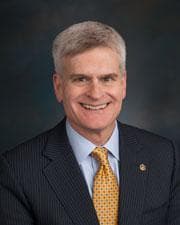
Bill Cassidy
Republican Senator
Louisiana
Cosponsors (8)
Health, Education, Labor, and Pensions Committee
- Introduced
- In Committee
- On Floor
- Passed Chamber
- Enacted
The SUPPORT for Patients and Communities Reauthorization Act of 2025 aims to reauthorize and strengthen various federal programs designed to combat opioid use disorder and other substance use disorders. This comprehensive legislation extends funding and modifies existing initiatives across prevention, treatment, and recovery efforts through fiscal year 2030. It seeks to adapt federal responses to evolving public health challenges related to substance misuse. In terms of prevention , the bill reauthorizes and increases funding for programs addressing prenatal and postnatal health, monitoring infections from illicit drug use, and preventing controlled substance overdoses. It broadens overdose prevention to include all substances causing overdose and introduces innovative detection methods like wastewater surveillance. A significant new provision establishes a comprehensive program for Fetal Alcohol Spectrum Disorder (FASD) prevention, intervention, and services, including education, research, and capacity building, with dedicated funding. The legislation also enhances public health infrastructure by requiring measures to protect the 9-8-8 National Suicide Prevention Lifeline from cybersecurity incidents and mandating incident reporting. It directs the Food and Drug Administration (FDA) to assess approved opioid analgesic drugs, considering their public health effects, and to support the development of nonaddictive pain and addiction treatments. Furthermore, it requires guidance on effective at-home drug disposal systems. Regarding treatment , the bill increases funding for residential treatment programs for pregnant and postpartum women and expands access to addiction medicine providers by including diagnosis. It also boosts funding for the loan repayment program for the substance use disorder treatment workforce. The Secretary of Health and Human Services is mandated to review the scheduling of buprenorphine and naloxone combination products and, if appropriate, request rulemaking to revise their schedules. For recovery , the bill significantly increases funding for programs like Building Communities of Recovery and Youth Prevention and Recovery. It expands peer support technical assistance, allowing for the establishment of regional centers to better serve local needs. The CAREER Act, which provides grants to areas heavily impacted by the opioid crisis, is reauthorized through 2030, with updated eligibility criteria and provisions for transportation assistance to support employment and recovery. Finally, the bill includes miscellaneous provisions such as amending the Controlled Substances Act to allow pharmacies to deliver certain controlled substances to practitioners for specific treatment purposes. It also updates the list of organizations whose training counts towards the required education for prescribers of controlled substances, making these changes retroactively effective to December 2022.
Suggested Questions
Get AI-generated questions to help you understand this bill better
Timeline
Bill from Previous Congress
S 118-2433SUPPORT for Patients and Communities Reauthorization Act of 2023
Bill from Previous Congress
S 118-3106SUPPORT for Patients and Communities Reauthorization Act of 2023
Introduced in Senate
Read twice and referred to the Committee on Health, Education, Labor, and Pensions.
Health
SUPPORT for Patients and Communities Reauthorization Act of 2025
USA119th CongressS-2121| Senate
| Updated: 6/18/2025
The SUPPORT for Patients and Communities Reauthorization Act of 2025 aims to reauthorize and strengthen various federal programs designed to combat opioid use disorder and other substance use disorders. This comprehensive legislation extends funding and modifies existing initiatives across prevention, treatment, and recovery efforts through fiscal year 2030. It seeks to adapt federal responses to evolving public health challenges related to substance misuse. In terms of prevention , the bill reauthorizes and increases funding for programs addressing prenatal and postnatal health, monitoring infections from illicit drug use, and preventing controlled substance overdoses. It broadens overdose prevention to include all substances causing overdose and introduces innovative detection methods like wastewater surveillance. A significant new provision establishes a comprehensive program for Fetal Alcohol Spectrum Disorder (FASD) prevention, intervention, and services, including education, research, and capacity building, with dedicated funding. The legislation also enhances public health infrastructure by requiring measures to protect the 9-8-8 National Suicide Prevention Lifeline from cybersecurity incidents and mandating incident reporting. It directs the Food and Drug Administration (FDA) to assess approved opioid analgesic drugs, considering their public health effects, and to support the development of nonaddictive pain and addiction treatments. Furthermore, it requires guidance on effective at-home drug disposal systems. Regarding treatment , the bill increases funding for residential treatment programs for pregnant and postpartum women and expands access to addiction medicine providers by including diagnosis. It also boosts funding for the loan repayment program for the substance use disorder treatment workforce. The Secretary of Health and Human Services is mandated to review the scheduling of buprenorphine and naloxone combination products and, if appropriate, request rulemaking to revise their schedules. For recovery , the bill significantly increases funding for programs like Building Communities of Recovery and Youth Prevention and Recovery. It expands peer support technical assistance, allowing for the establishment of regional centers to better serve local needs. The CAREER Act, which provides grants to areas heavily impacted by the opioid crisis, is reauthorized through 2030, with updated eligibility criteria and provisions for transportation assistance to support employment and recovery. Finally, the bill includes miscellaneous provisions such as amending the Controlled Substances Act to allow pharmacies to deliver certain controlled substances to practitioners for specific treatment purposes. It also updates the list of organizations whose training counts towards the required education for prescribers of controlled substances, making these changes retroactively effective to December 2022.
Suggested Questions
Get AI-generated questions to help you understand this bill better
Timeline
Bill from Previous Congress
S 118-2433SUPPORT for Patients and Communities Reauthorization Act of 2023
Bill from Previous Congress
S 118-3106SUPPORT for Patients and Communities Reauthorization Act of 2023
Introduced in Senate
Read twice and referred to the Committee on Health, Education, Labor, and Pensions.
Bill Cassidy
Republican Senator
Louisiana
Cosponsors (8)
Health, Education, Labor, and Pensions Committee
Health
Related Bills
- S 119-891: Bipartisan Health Care Act
- HR 119-2483: SUPPORT for Patients and Communities Reauthorization Act of 2025
- S 119-946: MATE Improvement Act
- HR 119-4079: Safer Response Act of 2025
- HR 119-1768: Lower Costs for Everyday Americans Act
- HR 119-912: 9–8–8 Lifeline Cybersecurity Responsibility Act
- S 119-2532: Safe Response Act
- S 119-3006: Youth Prevention and Recovery Reauthorization Act of 2025
- S 119-500: CAREER Act of 2025
- Introduced
- In Committee
- On Floor
- Passed Chamber
- Enacted