USDA CROP Act of 2025
USA119th CongressS-1999| Senate
| Updated: 6/9/2025
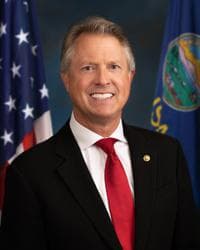
Roger Marshall
Republican Senator
Kansas
Agriculture, Nutrition, and Forestry Committee
- Introduced
- In Committee
- On Floor
- Passed Chamber
- Enacted
This bill, known as the USDA CROP Act of 2025, amends the Federal Insecticide, Fungicide, and Rodenticide Act (FIFRA) to significantly improve coordination between the Environmental Protection Agency (EPA) and the Department of Agriculture (USDA) by ensuring agricultural perspectives and data are thoroughly considered in EPA's pesticide regulatory decisions, including collaboration on risk mitigation measures . The legislation mandates that the EPA conduct and publish an economic analysis of the costs associated with implementing these risk mitigation measures, impacting growers and other affected entities. For pesticide registration and review, the EPA Administrator must coordinate with the USDA to obtain crucial agronomic use data and information on the availability and economic viability of alternatives, publishing how this data was used or why it was not. Additionally, the bill extends coordination requirements to actions under the Endangered Species Act, stipulating that the EPA Administrator must coordinate with the Secretaries of Agriculture, Interior, and Commerce regarding reasonable and prudent actions and measures related to pesticide use. This ensures such measures are developed with full consideration of agricultural practices and FIFRA's risk/benefit evaluations, allowing for feedback on decisions affecting pesticide end-users. A waiver provision allows for modification of these coordination requirements if agreed upon by the EPA, USDA, and the registrant, with public disclosure.
View Full TextSuggested Questions
Get AI-generated questions to help you understand this bill better
Timeline
Introduced in Senate
Read twice and referred to the Committee on Agriculture, Nutrition, and Forestry.
Environmental Protection
USDA CROP Act of 2025
USA119th CongressS-1999| Senate
| Updated: 6/9/2025
This bill, known as the USDA CROP Act of 2025, amends the Federal Insecticide, Fungicide, and Rodenticide Act (FIFRA) to significantly improve coordination between the Environmental Protection Agency (EPA) and the Department of Agriculture (USDA) by ensuring agricultural perspectives and data are thoroughly considered in EPA's pesticide regulatory decisions, including collaboration on risk mitigation measures . The legislation mandates that the EPA conduct and publish an economic analysis of the costs associated with implementing these risk mitigation measures, impacting growers and other affected entities. For pesticide registration and review, the EPA Administrator must coordinate with the USDA to obtain crucial agronomic use data and information on the availability and economic viability of alternatives, publishing how this data was used or why it was not. Additionally, the bill extends coordination requirements to actions under the Endangered Species Act, stipulating that the EPA Administrator must coordinate with the Secretaries of Agriculture, Interior, and Commerce regarding reasonable and prudent actions and measures related to pesticide use. This ensures such measures are developed with full consideration of agricultural practices and FIFRA's risk/benefit evaluations, allowing for feedback on decisions affecting pesticide end-users. A waiver provision allows for modification of these coordination requirements if agreed upon by the EPA, USDA, and the registrant, with public disclosure.
View Full TextSuggested Questions
Get AI-generated questions to help you understand this bill better
Timeline
Introduced in Senate
Read twice and referred to the Committee on Agriculture, Nutrition, and Forestry.
Roger Marshall
Republican Senator
Kansas
Agriculture, Nutrition, and Forestry Committee
Environmental Protection
Related Bills
- Introduced
- In Committee
- On Floor
- Passed Chamber
- Enacted