Government Surveillance Reform Act of 2026
USA119th CongressHR-7901| House
| Updated: 3/12/2026
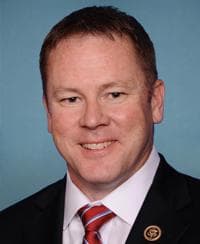
Warren Davidson
Republican Representative
Ohio
Cosponsors (5)
Judiciary Committee, Intelligence (Permanent Select) Committee
- Introduced
- In Committee
- On Floor
- Passed Chamber
- Enacted
The Government Surveillance Reform Act of 2026 introduces comprehensive changes to federal surveillance practices, particularly concerning the Foreign Intelligence Surveillance Act (FISA) Section 702. It establishes new protections for United States persons , prohibiting warrantless queries of their communications collected under Section 702, with narrow exceptions for concurrent authorization, consent, emergencies, and defensive cybersecurity. The bill also limits the use of such information in criminal, civil, or administrative proceedings and bans the practice of "reverse targeting" U.S. persons. Furthermore, the legislation sets a five-year data retention limit for information collected under Section 702 that pertains to U.S. persons, unless it is subject to ongoing litigation or investigation. It mandates FISA Court supervision for demands of technical assistance from electronic communication service providers, ensuring these demands are necessary, narrowly tailored, and do not impose undue burdens. The bill also clarifies that acquisitions under Section 702 must have a "primary foreign intelligence purpose" and repeals the expanded definition of electronic communication service providers. A significant provision, titled the "Fourth Amendment Is Not For Sale Act," prohibits federal law enforcement agencies from purchasing personal data from data brokers , including biometric and location information, with limited exceptions. This section also establishes minimization procedures for any data acquired and restricts the sharing of such data between governmental entities. It aims to close a perceived loophole allowing agencies to bypass warrant requirements by buying commercially available data. The bill introduces additional reforms to FISA, requiring court supervision for intentional targeting of U.S. persons for communications content, location, web browsing, or search history. It strengthens accuracy procedures for FISA applications, demanding certification of completeness and reliability of information, and clarifies the definition of "derived" information to prevent its use if initially obtained unlawfully. The legislation also enhances independent oversight by expanding the role of amici curiae in the FISA Court, granting them greater access to information and the authority to seek review of decisions, and mandates declassification of significant FISA Court opinions. Finally, the Act extends Section 702 of FISA for four years, until April 20, 2030, while simultaneously implementing these new safeguards. It also includes reforms to the Electronic Communications Privacy Act (ECPA), requiring warrants for historical location, web browsing, and search query records, and for real-time tracking devices. The bill specifically protects vehicle data from warrantless federal searches and enhances transparency through more granular reporting requirements on surveillance activities and violations.
View Full TextSuggested Questions
Get AI-generated questions to help you understand this bill better
Timeline
Introduced in House
Referred to the Committee on the Judiciary, and in addition to the Committee on Intelligence (Permanent Select), for a period to be subsequently determined by the Speaker, in each case for consideration of such provisions as fall within the jurisdiction of the committee concerned.
Armed Forces and National Security
Government Surveillance Reform Act of 2026
USA119th CongressHR-7901| House
| Updated: 3/12/2026
The Government Surveillance Reform Act of 2026 introduces comprehensive changes to federal surveillance practices, particularly concerning the Foreign Intelligence Surveillance Act (FISA) Section 702. It establishes new protections for United States persons , prohibiting warrantless queries of their communications collected under Section 702, with narrow exceptions for concurrent authorization, consent, emergencies, and defensive cybersecurity. The bill also limits the use of such information in criminal, civil, or administrative proceedings and bans the practice of "reverse targeting" U.S. persons. Furthermore, the legislation sets a five-year data retention limit for information collected under Section 702 that pertains to U.S. persons, unless it is subject to ongoing litigation or investigation. It mandates FISA Court supervision for demands of technical assistance from electronic communication service providers, ensuring these demands are necessary, narrowly tailored, and do not impose undue burdens. The bill also clarifies that acquisitions under Section 702 must have a "primary foreign intelligence purpose" and repeals the expanded definition of electronic communication service providers. A significant provision, titled the "Fourth Amendment Is Not For Sale Act," prohibits federal law enforcement agencies from purchasing personal data from data brokers , including biometric and location information, with limited exceptions. This section also establishes minimization procedures for any data acquired and restricts the sharing of such data between governmental entities. It aims to close a perceived loophole allowing agencies to bypass warrant requirements by buying commercially available data. The bill introduces additional reforms to FISA, requiring court supervision for intentional targeting of U.S. persons for communications content, location, web browsing, or search history. It strengthens accuracy procedures for FISA applications, demanding certification of completeness and reliability of information, and clarifies the definition of "derived" information to prevent its use if initially obtained unlawfully. The legislation also enhances independent oversight by expanding the role of amici curiae in the FISA Court, granting them greater access to information and the authority to seek review of decisions, and mandates declassification of significant FISA Court opinions. Finally, the Act extends Section 702 of FISA for four years, until April 20, 2030, while simultaneously implementing these new safeguards. It also includes reforms to the Electronic Communications Privacy Act (ECPA), requiring warrants for historical location, web browsing, and search query records, and for real-time tracking devices. The bill specifically protects vehicle data from warrantless federal searches and enhances transparency through more granular reporting requirements on surveillance activities and violations.
View Full TextSuggested Questions
Get AI-generated questions to help you understand this bill better
Timeline
Introduced in House
Referred to the Committee on the Judiciary, and in addition to the Committee on Intelligence (Permanent Select), for a period to be subsequently determined by the Speaker, in each case for consideration of such provisions as fall within the jurisdiction of the committee concerned.
Warren Davidson
Republican Representative
Ohio
Cosponsors (5)
Judiciary Committee, Intelligence (Permanent Select) Committee
Armed Forces and National Security
Related Bills
- S 119-4649: Email Privacy Act
- HR 119-9016: Email Privacy Act
- S 119-4082: Government Surveillance Reform Act of 2026
- S 119-4739: A bill to implement reforms relating to foreign intelligence surveillance authorities, to prohibit reverse targeting of United States persons and persons located in the United States, and for other purposes.
- Introduced
- In Committee
- On Floor
- Passed Chamber
- Enacted