Health Care Affordability Act of 2025
USA119th CongressHR-247| House
| Updated: 1/9/2025
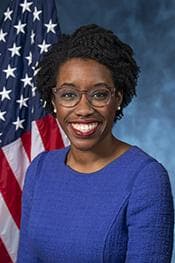
Lauren Underwood
Democratic Representative
Illinois
Cosponsors (165)
John W. Mannion (Democratic)Kim Schrier (Democratic)Stacey E. Plaskett (Democratic)April McClain Delaney (Democratic)Donald Norcross (Democratic)Sam T. Liccardo (Democratic)Yassamin Ansari (Democratic)Becca Balint (Democratic)Laura Friedman (Democratic)Jonathan L. Jackson (Democratic)Gilbert Ray Cisneros (Democratic)Sylvia R. Garcia (Democratic)Chris Pappas (Democratic)Kelly Morrison (Democratic)Marc A. Veasey (Democratic)Steny H. Hoyer (Democratic)Robert C. "Bobby" Scott (Democratic)Mikie Sherrill (Democratic)Gabe Amo (Democratic)Robin L. Kelly (Democratic)Shomari Figures (Democratic)Julie Johnson (Democratic)Raúl M. Grijalva (Democratic)Ritchie Torres (Democratic)Robert Garcia (Democratic)Mark Pocan (Democratic)Robert Menendez (Democratic)Joyce Beatty (Democratic)Jennifer L. McClellan (Democratic)Christopher R. Deluzio (Democratic)Emanuel Cleaver (Democratic)Chrissy Houlahan (Democratic)Darren Soto (Democratic)Raul Ruiz (Democratic)Patrick Ryan (Democratic)Joe Courtney (Democratic)Sanford D. Bishop (Democratic)Ilhan Omar (Democratic)Shontel M. Brown (Democratic)Greg Landsman (Democratic)Laura Gillen (Democratic)David Scott (Democratic)Kristen McDonald Rivet (Democratic)Frederica S. Wilson (Democratic)Terri A. Sewell (Democratic)James R. Walkinshaw (Democratic)Troy A. Carter (Democratic)Eugene Simon Vindman (Democratic)Steven Horsford (Democratic)Jimmy Panetta (Democratic)Maxine Dexter (Democratic)J. Luis Correa (Democratic)Eric Swalwell (Democratic)Dina Titus (Democratic)Maxwell Frost (Democratic)Debbie Dingell (Democratic)Madeleine Dean (Democratic)Steve Cohen (Democratic)Suzan K. DelBene (Democratic)Sarah Elfreth (Democratic)Andrea Salinas (Democratic)Paul Tonko (Democratic)Angie Craig (Democratic)Janelle S. Bynum (Democratic)Thomas R. Suozzi (Democratic)Haley M. Stevens (Democratic)Shri Thanedar (Democratic)Frank J. Mrvan (Democratic)Vicente Gonzalez (Democratic)Ted Lieu (Democratic)Ro Khanna (Democratic)Greg Stanton (Democratic)George Latimer (Democratic)Henry C. "Hank" Johnson (Democratic)Sheila Cherfilus-McCormick (Democratic)Nikki Budzinski (Democratic)John B. Larson (Democratic)Joaquin Castro (Democratic)Stephen F. Lynch (Democratic)Mark DeSaulnier (Democratic)Jill N. Tokuda (Democratic)Joseph D. Morelle (Democratic)Emilia Strong Sykes (Democratic)Glenn Ivey (Democratic)Doris O. Matsui (Democratic)Hillary J. Scholten (Democratic)Sara Jacobs (Democratic)Marilyn Strickland (Democratic)Suhas Subramanyam (Democratic)Gregory W. Meeks (Democratic)Jahana Hayes (Democratic)Raja Krishnamoorthi (Democratic)James A. Himes (Democratic)Jerrold Nadler (Democratic)LaMonica McIver (Democratic)Brittany Pettersen (Democratic)Ami Bera (Democratic)Sydney Kamlager-Dove (Democratic)Lucy McBath (Democratic)Kathy Castor (Democratic)Betty McCollum (Democratic)Eleanor Holmes Norton (Democratic)Val T. Hoyle (Democratic)Sharice Davids (Democratic)Brad Sherman (Democratic)Bonnie Watson Coleman (Democratic)Nellie Pou (Democratic)Mary Gay Scanlon (Democratic)Wesley Bell (Democratic)Norma J. Torres (Democratic)Lateefah Simon (Democratic)Timothy M. Kennedy (Democratic)Joe Neguse (Democratic)Mike Quigley (Democratic)Lois Frankel (Democratic)Donald S. Beyer (Democratic)Sean Casten (Democratic)Diana DeGette (Democratic)Eric Sorensen (Democratic)Janice D. Schakowsky (Democratic)Alexandria Ocasio-Cortez (Democratic)Maxine Waters (Democratic)Adam Smith (Democratic)Nydia M. Velázquez (Democratic)Maggie Goodlander (Democratic)James E. Clyburn (Democratic)Julia Brownley (Democratic)Cleo Fields (Democratic)Johnny Olszewski (Democratic)Seth Magaziner (Democratic)Sarah McBride (Democratic)Yvette D. Clarke (Democratic)Rick Larsen (Democratic)Bennie G. Thompson (Democratic)Sylvester Turner (Democratic)Deborah K. Ross (Democratic)Lori Trahan (Democratic)Seth Moulton (Democratic)Suzanne Bonamici (Democratic)Jared Moskowitz (Democratic)Nancy Pelosi (Democratic)Lizzie Fletcher (Democratic)Luz M. Rivas (Democratic)Josh Gottheimer (Democratic)Linda T. Sánchez (Democratic)Emily Randall (Democratic)Zoe Lofgren (Democratic)Nanette Diaz Barragán (Democratic)Kevin Mullin (Democratic)Jason Crow (Democratic)Teresa Leger Fernandez (Democratic)George Whitesides (Democratic)Frank Pallone (Democratic)Gwen Moore (Democratic)Jimmy Gomez (Democratic)Susie Lee (Democratic)Valerie P. Foushee (Democratic)Rashida Tlaib (Democratic)Bradley Scott Schneider (Democratic)Veronica Escobar (Democratic)Herbert C. Conaway (Democratic)Debbie Wasserman Schultz (Democratic)Chellie Pingree (Democratic)Mike Levin (Democratic)Judy Chu (Democratic)
Ways and Means Committee
- Introduced
- In Committee
- On Floor
- Passed Chamber
- Enacted
This bill amends the Internal Revenue Code of 1986 to significantly expand eligibility for the refundable credit for coverage under a qualified health plan, known as the premium tax credit. Its primary goal is to enhance health care affordability by removing existing income limitations for receiving this financial assistance. Specifically, the legislation eliminates the upper income threshold of 400 percent of the federal poverty line for premium tax credit eligibility. It revises the "applicable percentages" used to calculate the credit, ensuring that individuals with household incomes at or above 400 percent of the poverty line will now have their health insurance premium contributions capped at 8.5 percent of their income . These provisions are set to take effect for taxable years beginning after December 31, 2025, aiming to prevent the "subsidy cliff" and extend affordability to more Americans.
Suggested Questions
Get AI-generated questions to help you understand this bill better
Timeline
Introduced in House
Referred to the House Committee on Ways and Means.
Taxation
Health care costs and insuranceIncome tax creditsTax administration and collection, taxpayers
Health Care Affordability Act of 2025
USA119th CongressHR-247| House
| Updated: 1/9/2025
This bill amends the Internal Revenue Code of 1986 to significantly expand eligibility for the refundable credit for coverage under a qualified health plan, known as the premium tax credit. Its primary goal is to enhance health care affordability by removing existing income limitations for receiving this financial assistance. Specifically, the legislation eliminates the upper income threshold of 400 percent of the federal poverty line for premium tax credit eligibility. It revises the "applicable percentages" used to calculate the credit, ensuring that individuals with household incomes at or above 400 percent of the poverty line will now have their health insurance premium contributions capped at 8.5 percent of their income . These provisions are set to take effect for taxable years beginning after December 31, 2025, aiming to prevent the "subsidy cliff" and extend affordability to more Americans.
Suggested Questions
Get AI-generated questions to help you understand this bill better
Timeline
Introduced in House
Referred to the House Committee on Ways and Means.
Lauren Underwood
Democratic Representative
Illinois
Cosponsors (165)
John W. Mannion (Democratic)Kim Schrier (Democratic)Stacey E. Plaskett (Democratic)April McClain Delaney (Democratic)Donald Norcross (Democratic)Sam T. Liccardo (Democratic)Yassamin Ansari (Democratic)Becca Balint (Democratic)Laura Friedman (Democratic)Jonathan L. Jackson (Democratic)Gilbert Ray Cisneros (Democratic)Sylvia R. Garcia (Democratic)Chris Pappas (Democratic)Kelly Morrison (Democratic)Marc A. Veasey (Democratic)Steny H. Hoyer (Democratic)Robert C. "Bobby" Scott (Democratic)Mikie Sherrill (Democratic)Gabe Amo (Democratic)Robin L. Kelly (Democratic)Shomari Figures (Democratic)Julie Johnson (Democratic)Raúl M. Grijalva (Democratic)Ritchie Torres (Democratic)Robert Garcia (Democratic)Mark Pocan (Democratic)Robert Menendez (Democratic)Joyce Beatty (Democratic)Jennifer L. McClellan (Democratic)Christopher R. Deluzio (Democratic)Emanuel Cleaver (Democratic)Chrissy Houlahan (Democratic)Darren Soto (Democratic)Raul Ruiz (Democratic)Patrick Ryan (Democratic)Joe Courtney (Democratic)Sanford D. Bishop (Democratic)Ilhan Omar (Democratic)Shontel M. Brown (Democratic)Greg Landsman (Democratic)Laura Gillen (Democratic)David Scott (Democratic)Kristen McDonald Rivet (Democratic)Frederica S. Wilson (Democratic)Terri A. Sewell (Democratic)James R. Walkinshaw (Democratic)Troy A. Carter (Democratic)Eugene Simon Vindman (Democratic)Steven Horsford (Democratic)Jimmy Panetta (Democratic)Maxine Dexter (Democratic)J. Luis Correa (Democratic)Eric Swalwell (Democratic)Dina Titus (Democratic)Maxwell Frost (Democratic)Debbie Dingell (Democratic)Madeleine Dean (Democratic)Steve Cohen (Democratic)Suzan K. DelBene (Democratic)Sarah Elfreth (Democratic)Andrea Salinas (Democratic)Paul Tonko (Democratic)Angie Craig (Democratic)Janelle S. Bynum (Democratic)Thomas R. Suozzi (Democratic)Haley M. Stevens (Democratic)Shri Thanedar (Democratic)Frank J. Mrvan (Democratic)Vicente Gonzalez (Democratic)Ted Lieu (Democratic)Ro Khanna (Democratic)Greg Stanton (Democratic)George Latimer (Democratic)Henry C. "Hank" Johnson (Democratic)Sheila Cherfilus-McCormick (Democratic)Nikki Budzinski (Democratic)John B. Larson (Democratic)Joaquin Castro (Democratic)Stephen F. Lynch (Democratic)Mark DeSaulnier (Democratic)Jill N. Tokuda (Democratic)Joseph D. Morelle (Democratic)Emilia Strong Sykes (Democratic)Glenn Ivey (Democratic)Doris O. Matsui (Democratic)Hillary J. Scholten (Democratic)Sara Jacobs (Democratic)Marilyn Strickland (Democratic)Suhas Subramanyam (Democratic)Gregory W. Meeks (Democratic)Jahana Hayes (Democratic)Raja Krishnamoorthi (Democratic)James A. Himes (Democratic)Jerrold Nadler (Democratic)LaMonica McIver (Democratic)Brittany Pettersen (Democratic)Ami Bera (Democratic)Sydney Kamlager-Dove (Democratic)Lucy McBath (Democratic)Kathy Castor (Democratic)Betty McCollum (Democratic)Eleanor Holmes Norton (Democratic)Val T. Hoyle (Democratic)Sharice Davids (Democratic)Brad Sherman (Democratic)Bonnie Watson Coleman (Democratic)Nellie Pou (Democratic)Mary Gay Scanlon (Democratic)Wesley Bell (Democratic)Norma J. Torres (Democratic)Lateefah Simon (Democratic)Timothy M. Kennedy (Democratic)Joe Neguse (Democratic)Mike Quigley (Democratic)Lois Frankel (Democratic)Donald S. Beyer (Democratic)Sean Casten (Democratic)Diana DeGette (Democratic)Eric Sorensen (Democratic)Janice D. Schakowsky (Democratic)Alexandria Ocasio-Cortez (Democratic)Maxine Waters (Democratic)Adam Smith (Democratic)Nydia M. Velázquez (Democratic)Maggie Goodlander (Democratic)James E. Clyburn (Democratic)Julia Brownley (Democratic)Cleo Fields (Democratic)Johnny Olszewski (Democratic)Seth Magaziner (Democratic)Sarah McBride (Democratic)Yvette D. Clarke (Democratic)Rick Larsen (Democratic)Bennie G. Thompson (Democratic)Sylvester Turner (Democratic)Deborah K. Ross (Democratic)Lori Trahan (Democratic)Seth Moulton (Democratic)Suzanne Bonamici (Democratic)Jared Moskowitz (Democratic)Nancy Pelosi (Democratic)Lizzie Fletcher (Democratic)Luz M. Rivas (Democratic)Josh Gottheimer (Democratic)Linda T. Sánchez (Democratic)Emily Randall (Democratic)Zoe Lofgren (Democratic)Nanette Diaz Barragán (Democratic)Kevin Mullin (Democratic)Jason Crow (Democratic)Teresa Leger Fernandez (Democratic)George Whitesides (Democratic)Frank Pallone (Democratic)Gwen Moore (Democratic)Jimmy Gomez (Democratic)Susie Lee (Democratic)Valerie P. Foushee (Democratic)Rashida Tlaib (Democratic)Bradley Scott Schneider (Democratic)Veronica Escobar (Democratic)Herbert C. Conaway (Democratic)Debbie Wasserman Schultz (Democratic)Chellie Pingree (Democratic)Mike Levin (Democratic)Judy Chu (Democratic)
Ways and Means Committee
Taxation
Related Bills
- HR 119-7767: Make Billionaires Pay Their Fair Share Act
- S 119-3956: Make Billionaires Pay Their Fair Share Act
- S 119-46: Health Care Affordability Act of 2025
- HR 119-4849: Protecting Health Care and Lowering Costs Act of 2025
- HR 119-6900: American Affordability Act of 2025
- S 119-2556: Protecting Health Care and Lowering Costs Act
- Introduced
- In Committee
- On Floor
- Passed Chamber
- Enacted
Health care costs and insuranceIncome tax creditsTax administration and collection, taxpayers