Make Billionaires Pay Their Fair Share Act
USA119th CongressS-3956| Senate
| Updated: 3/2/2026
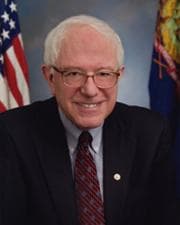
Bernard Sanders
Independent Senator
Vermont
Cosponsors (1)
Finance Committee
- Introduced
- In Committee
- On Floor
- Passed Chamber
- Enacted
This legislation introduces an annual wealth tax on individuals and trusts with net assets exceeding $1 billion, with the threshold adjusted for inflation. The tax rate is set at 5% of the net value of assets, defined as the value of all property minus debt, and includes assets held by related children under 18. To ensure compliance, the Secretary of the Treasury is mandated to audit at least 50% of applicable taxpayers annually and establish a comprehensive wealth registry, with 1% of the tax revenue dedicated to enforcement activities. Special rules are outlined for deceased individuals, trusts, non-residents, and a 60% tax rate is imposed on covered expatriates. The bill also establishes affordability rebates , providing $3,000 per taxpayer ($6,000 for joint filers) and an additional $3,000 per dependent, beginning in 2026. In healthcare, it repeals certain reconciliation health provisions and significantly increases eligibility for the premium tax credit by removing the 400% poverty line cap and adjusting applicable percentages to make coverage more affordable. A major expansion of Medicare benefits is proposed, covering comprehensive dental and oral health services, including preventive care, procedures, and dentures, phased in starting in 2027 and 2028. It also introduces coverage for audiology services by qualified audiologists and hearing aid professionals, along with hearing aids for individuals with moderate to profound hearing loss, beginning in 2028. Furthermore, routine vision services and conventional eyeglasses will be covered under Medicare, with specific limitations, also starting in 2028, with dedicated funding for implementation. The legislation authorizes substantial appropriations for the Housing Trust Fund , allocating $85.647 billion annually from fiscal years 2026 through 2035. It establishes a Birth Through Five Child Care and Early Learning Entitlement Program , providing assistance for eligible children under six years old whose family income does not exceed 250% of the State median income. States participating in this program must ensure payment rates cover costs, reflect quality tiers, and provide adequate wages for child care staff, comparable to elementary educators with similar credentials, while also implementing a sliding fee scale for copayments, with no copayment for families below 85% of the State median income, and prohibiting suspensions or expulsions. To address teacher compensation, the bill aims to establish a $60,000 annual minimum salary for every public school teacher in the United States, with salaries increasing with experience. It authorizes federal appropriations to support states in meeting these salary requirements, emphasizing increased per-pupil expenditures and equitable distribution of teachers. Finally, the bill makes significant investments in Home and Community-Based Services (HCBS) , providing planning grants and establishing an HCBS Improvement Program. This program increases the Federal Medical Assistance Percentage (FMAP) for states that enhance HCBS, strengthen the direct care workforce, and improve access to these services, while also permanently extending Medicaid protections against spousal impoverishment for HCBS recipients and the Money Follows the Person Rebalancing demonstration.
View Full TextSuggested Questions
Get AI-generated questions to help you understand this bill better
Timeline
Introduced in Senate
Read twice and referred to the Committee on Finance.
Taxation
Make Billionaires Pay Their Fair Share Act
USA119th CongressS-3956| Senate
| Updated: 3/2/2026
This legislation introduces an annual wealth tax on individuals and trusts with net assets exceeding $1 billion, with the threshold adjusted for inflation. The tax rate is set at 5% of the net value of assets, defined as the value of all property minus debt, and includes assets held by related children under 18. To ensure compliance, the Secretary of the Treasury is mandated to audit at least 50% of applicable taxpayers annually and establish a comprehensive wealth registry, with 1% of the tax revenue dedicated to enforcement activities. Special rules are outlined for deceased individuals, trusts, non-residents, and a 60% tax rate is imposed on covered expatriates. The bill also establishes affordability rebates , providing $3,000 per taxpayer ($6,000 for joint filers) and an additional $3,000 per dependent, beginning in 2026. In healthcare, it repeals certain reconciliation health provisions and significantly increases eligibility for the premium tax credit by removing the 400% poverty line cap and adjusting applicable percentages to make coverage more affordable. A major expansion of Medicare benefits is proposed, covering comprehensive dental and oral health services, including preventive care, procedures, and dentures, phased in starting in 2027 and 2028. It also introduces coverage for audiology services by qualified audiologists and hearing aid professionals, along with hearing aids for individuals with moderate to profound hearing loss, beginning in 2028. Furthermore, routine vision services and conventional eyeglasses will be covered under Medicare, with specific limitations, also starting in 2028, with dedicated funding for implementation. The legislation authorizes substantial appropriations for the Housing Trust Fund , allocating $85.647 billion annually from fiscal years 2026 through 2035. It establishes a Birth Through Five Child Care and Early Learning Entitlement Program , providing assistance for eligible children under six years old whose family income does not exceed 250% of the State median income. States participating in this program must ensure payment rates cover costs, reflect quality tiers, and provide adequate wages for child care staff, comparable to elementary educators with similar credentials, while also implementing a sliding fee scale for copayments, with no copayment for families below 85% of the State median income, and prohibiting suspensions or expulsions. To address teacher compensation, the bill aims to establish a $60,000 annual minimum salary for every public school teacher in the United States, with salaries increasing with experience. It authorizes federal appropriations to support states in meeting these salary requirements, emphasizing increased per-pupil expenditures and equitable distribution of teachers. Finally, the bill makes significant investments in Home and Community-Based Services (HCBS) , providing planning grants and establishing an HCBS Improvement Program. This program increases the Federal Medical Assistance Percentage (FMAP) for states that enhance HCBS, strengthen the direct care workforce, and improve access to these services, while also permanently extending Medicaid protections against spousal impoverishment for HCBS recipients and the Money Follows the Person Rebalancing demonstration.
View Full TextSuggested Questions
Get AI-generated questions to help you understand this bill better
Timeline
Introduced in Senate
Read twice and referred to the Committee on Finance.
Bernard Sanders
Independent Senator
Vermont
Cosponsors (1)
Finance Committee
Taxation
Related Bills
- HR 119-7767: Make Billionaires Pay Their Fair Share Act
- HR 119-247: Health Care Affordability Act of 2025
- S 119-46: Health Care Affordability Act of 2025
- HR 119-4849: Protecting Health Care and Lowering Costs Act of 2025
- S 119-939: Medicare Dental, Hearing, and Vision Expansion Act of 2025
- S 119-2556: Protecting Health Care and Lowering Costs Act
- Introduced
- In Committee
- On Floor
- Passed Chamber
- Enacted