American Affordability Act of 2025
USA119th CongressHR-6900| House
| Updated: 12/18/2025
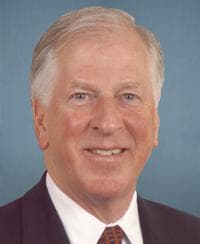
Mike Thompson
Democratic Representative
California
Cosponsors (45)
John W. Mannion (Democratic)Dwight Evans (Democratic)Stacey E. Plaskett (Democratic)John Garamendi (Democratic)Julie Johnson (Democratic)Jennifer L. McClellan (Democratic)Joe Courtney (Democratic)Kristen McDonald Rivet (Democratic)Terri A. Sewell (Democratic)Eugene Simon Vindman (Democratic)Steven Horsford (Democratic)Jimmy Panetta (Democratic)Dina Titus (Democratic)Suzan K. DelBene (Democratic)Andrea Salinas (Democratic)Angie Craig (Democratic)Thomas R. Suozzi (Democratic)Rosa L. DeLauro (Democratic)Shri Thanedar (Democratic)Frank J. Mrvan (Democratic)Danny K. Davis (Democratic)André Carson (Democratic)Brendan F. Boyle (Democratic)John B. Larson (Democratic)Doris O. Matsui (Democratic)Hillary J. Scholten (Democratic)Daniel S. Goldman (Democratic)Morgan McGarvey (Democratic)Alma S. Adams (Democratic)Eleanor Holmes Norton (Democratic)Wesley Bell (Democratic)Timothy M. Kennedy (Democratic)Josh Riley (Democratic)Jim Costa (Democratic)Mike Quigley (Democratic)Lois Frankel (Democratic)Donald S. Beyer (Democratic)Julia Brownley (Democratic)Sarah McBride (Democratic)Linda T. Sánchez (Democratic)Gwen Moore (Democratic)Jimmy Gomez (Democratic)Bradley Scott Schneider (Democratic)Chellie Pingree (Democratic)Judy Chu (Democratic)
Ways and Means Committee, Energy and Commerce Committee, Education and Workforce Committee
- Introduced
- In Committee
- On Floor
- Passed Chamber
- Enacted
The American Affordability Act of 2025 aims to alleviate the nation's cost-of-living crisis through comprehensive changes to the Internal Revenue Code and related programs. Title I focuses on housing, significantly reforming the Low-Income Housing Tax Credit (LIHTC) by increasing state allocations, modifying tenant eligibility rules, and adding protections for vulnerable populations. It also introduces new incentives like an investment credit for converting non-residential buildings to affordable housing and a Neighborhood Homes Credit for affordable home sales and rehabilitation in distressed areas. The bill further proposes a Middle-Income Housing Tax Credit and a $15,000 refundable tax credit for first-time homebuyers , alongside a refundable renter tax credit for rent exceeding 30% of adjusted gross income, with advance payment options. Title II addresses lowering energy costs by restoring and extending various clean energy production and investment tax credits , including those for wind, solar, advanced manufacturing, clean hydrogen, and residential clean energy. It also reverts termination dates for electric vehicle and charging infrastructure credits and introduces a new credit for electric bicycles . Additionally, this title establishes new credits for qualifying water reuse projects, recycling property, and electric power transmission lines , while also providing an exclusion for state-based catastrophe loss mitigation payments. Title III focuses on child and dependent care, establishing a refundable monthly child tax credit of up to $360 per child, with advance payments, and a credit for other dependents. It enhances the Child and Dependent Care Tax Credit by increasing applicable percentages and dollar limits, making it refundable, and raising contribution limits for dependent care assistance programs. New credits are introduced for working family caregivers and licensed family child care providers . The adoption tax credit is also made refundable. Title IV targets education and workforce training. it expands the American Opportunity Credit to cover six years and makes it temporarily fully refundable, broadens the Pell Grant exclusion from gross income , and includes computers and child care as qualified expenses for education credits. The bill eliminates the denial of the American Opportunity Tax Credit for felony drug offenses and modifies the treatment of student loan forgiveness to exclude more types of loans from gross income. It also allows the student loan interest deduction to be applied separately for each spouse. Workforce provisions include an expanded educator expense deduction, an above-the-line deduction for union dues, and a permanent extension and expansion of the Earned Income Tax Credit for individuals without qualifying children. Finally, Title V addresses healthcare affordability. It significantly increases eligibility for the health insurance premium assistance tax credit by removing the 400% federal poverty line income cap and adjusting applicable percentages. The bill aims to fill the coverage gap for low-income populations by ensuring affordability, establishing special enrollment periods, and providing additional benefits for certain silver-level plans. It also freezes the premium adjustment percentage increase and requires coverage of certain immunizations recommended by the Advisory Committee on Immunization Practices across various health programs, including Medicare, Medicaid, and CHIP.
View Full TextSuggested Questions
Get AI-generated questions to help you understand this bill better
Timeline
Introduced in House
Referred to the Committee on Ways and Means, and in addition to the Committees on Education and Workforce, and Energy and Commerce, for a period to be subsequently determined by the Speaker, in each case for consideration of such provisions as fall within the jurisdiction of the committee concerned.
Taxation
American Affordability Act of 2025
USA119th CongressHR-6900| House
| Updated: 12/18/2025
The American Affordability Act of 2025 aims to alleviate the nation's cost-of-living crisis through comprehensive changes to the Internal Revenue Code and related programs. Title I focuses on housing, significantly reforming the Low-Income Housing Tax Credit (LIHTC) by increasing state allocations, modifying tenant eligibility rules, and adding protections for vulnerable populations. It also introduces new incentives like an investment credit for converting non-residential buildings to affordable housing and a Neighborhood Homes Credit for affordable home sales and rehabilitation in distressed areas. The bill further proposes a Middle-Income Housing Tax Credit and a $15,000 refundable tax credit for first-time homebuyers , alongside a refundable renter tax credit for rent exceeding 30% of adjusted gross income, with advance payment options. Title II addresses lowering energy costs by restoring and extending various clean energy production and investment tax credits , including those for wind, solar, advanced manufacturing, clean hydrogen, and residential clean energy. It also reverts termination dates for electric vehicle and charging infrastructure credits and introduces a new credit for electric bicycles . Additionally, this title establishes new credits for qualifying water reuse projects, recycling property, and electric power transmission lines , while also providing an exclusion for state-based catastrophe loss mitigation payments. Title III focuses on child and dependent care, establishing a refundable monthly child tax credit of up to $360 per child, with advance payments, and a credit for other dependents. It enhances the Child and Dependent Care Tax Credit by increasing applicable percentages and dollar limits, making it refundable, and raising contribution limits for dependent care assistance programs. New credits are introduced for working family caregivers and licensed family child care providers . The adoption tax credit is also made refundable. Title IV targets education and workforce training. it expands the American Opportunity Credit to cover six years and makes it temporarily fully refundable, broadens the Pell Grant exclusion from gross income , and includes computers and child care as qualified expenses for education credits. The bill eliminates the denial of the American Opportunity Tax Credit for felony drug offenses and modifies the treatment of student loan forgiveness to exclude more types of loans from gross income. It also allows the student loan interest deduction to be applied separately for each spouse. Workforce provisions include an expanded educator expense deduction, an above-the-line deduction for union dues, and a permanent extension and expansion of the Earned Income Tax Credit for individuals without qualifying children. Finally, Title V addresses healthcare affordability. It significantly increases eligibility for the health insurance premium assistance tax credit by removing the 400% federal poverty line income cap and adjusting applicable percentages. The bill aims to fill the coverage gap for low-income populations by ensuring affordability, establishing special enrollment periods, and providing additional benefits for certain silver-level plans. It also freezes the premium adjustment percentage increase and requires coverage of certain immunizations recommended by the Advisory Committee on Immunization Practices across various health programs, including Medicare, Medicaid, and CHIP.
View Full TextSuggested Questions
Get AI-generated questions to help you understand this bill better
Timeline
Introduced in House
Referred to the Committee on Ways and Means, and in addition to the Committees on Education and Workforce, and Energy and Commerce, for a period to be subsequently determined by the Speaker, in each case for consideration of such provisions as fall within the jurisdiction of the committee concerned.
Mike Thompson
Democratic Representative
California
Cosponsors (45)
John W. Mannion (Democratic)Dwight Evans (Democratic)Stacey E. Plaskett (Democratic)John Garamendi (Democratic)Julie Johnson (Democratic)Jennifer L. McClellan (Democratic)Joe Courtney (Democratic)Kristen McDonald Rivet (Democratic)Terri A. Sewell (Democratic)Eugene Simon Vindman (Democratic)Steven Horsford (Democratic)Jimmy Panetta (Democratic)Dina Titus (Democratic)Suzan K. DelBene (Democratic)Andrea Salinas (Democratic)Angie Craig (Democratic)Thomas R. Suozzi (Democratic)Rosa L. DeLauro (Democratic)Shri Thanedar (Democratic)Frank J. Mrvan (Democratic)Danny K. Davis (Democratic)André Carson (Democratic)Brendan F. Boyle (Democratic)John B. Larson (Democratic)Doris O. Matsui (Democratic)Hillary J. Scholten (Democratic)Daniel S. Goldman (Democratic)Morgan McGarvey (Democratic)Alma S. Adams (Democratic)Eleanor Holmes Norton (Democratic)Wesley Bell (Democratic)Timothy M. Kennedy (Democratic)Josh Riley (Democratic)Jim Costa (Democratic)Mike Quigley (Democratic)Lois Frankel (Democratic)Donald S. Beyer (Democratic)Julia Brownley (Democratic)Sarah McBride (Democratic)Linda T. Sánchez (Democratic)Gwen Moore (Democratic)Jimmy Gomez (Democratic)Bradley Scott Schneider (Democratic)Chellie Pingree (Democratic)Judy Chu (Democratic)
Ways and Means Committee, Energy and Commerce Committee, Education and Workforce Committee
Taxation
Related Bills
- S 119-1286: Tax Fairness for Workers Act
- HR 119-2854: Neighborhood Homes Investment Act
- S 119-3332: More Homes on the Market Act
- HR 119-5881: Double Dependents Relief Act
- S 119-1121: Performing Artist Tax Parity Act of 2025
- HR 119-1296: Expanding Child Care Access Act of 2025
- HR 119-2036: Credit for Caring Act of 2025
- HR 119-4466: CIRCLE Act
- S 119-4506: Advancing Water Reuse Act
- S 119-925: Credit for Caring Act of 2025
- Introduced
- In Committee
- On Floor
- Passed Chamber
- Enacted