A resolution declaring racism a public health crisis.
USA119th CongressSRES-67| Senate
| Updated: 2/6/2025
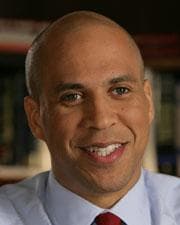
Cory A. Booker
Democratic Senator
New Jersey
Cosponsors (6)
Health, Education, Labor, and Pensions Committee
- Introduced
- In Committee
- On Floor
- Passed Chamber
- Enacted
This Senate resolution formally declares racism a public health crisis in the United States, asserting that it meets the criteria of an issue affecting many people, posing a public threat, being unfairly distributed, and having effects that could be reduced by preventive measures not yet in place. It emphasizes that public health experts agree on significant racial inequities in the prevalence, severity, and mortality rates of various health conditions. The resolution highlights that these disparities are often exacerbated for people of color who are also LGBTQIA+ or have disabilities. The resolution cites numerous examples of these health inequities, including lower life expectancies for Black, American Indian, and Alaska Native people, and significantly higher rates of maternal and infant mortality among Black, American Indian, and Alaska Native women and infants. It also notes disproportionate rates of certain cancers and diabetes in Hispanic, Asian American, Native Hawaiian, and Pacific Islander communities. Furthermore, the resolution points to the disproportionately high rates of COVID-19 infection, hospitalization, and mortality experienced by racial and ethnic minority communities. Historically, the resolution explains, explanations for health inequities have focused on false genetic science or incomplete social analyses, rather than the broader social context. It details a long history and legacy of racism, mistreatment, and discrimination in the United States, including slavery, the failure to uphold treaties with indigenous communities, discriminatory immigration laws like the Chinese Exclusion Act, and the internment of Japanese Americans. These historical injustices, alongside overt racism embedded in medical science and training, have perpetuated structural racism that limits access to resources and opportunities, contributing to worse health outcomes. The resolution further identifies subtle and implicit racism within the medical profession, discriminatory housing practices like redlining, environmental injustice, and knowledge gaps in medical research (e.g., lack of diverse clinical trial participants or medical device biases) as ongoing contributors to health disparities. It concludes by committing the Senate to establishing a nationwide strategy to address health disparities, dismantling systemic practices and policies that perpetuate racism, and promoting efforts to address the social determinants of health for all racial and ethnic minority groups, urging urgent action to uphold the nation's moral purpose of equality.
View Full TextSuggested Questions
Get AI-generated questions to help you understand this bill better
Timeline
Introduced in Senate
Referred to the Committee on Health, Education, Labor, and Pensions. (text: CR S800-802)
Health
Health care coverage and accessHealth care qualityMinority healthRacial and ethnic relations
A resolution declaring racism a public health crisis.
USA119th CongressSRES-67| Senate
| Updated: 2/6/2025
This Senate resolution formally declares racism a public health crisis in the United States, asserting that it meets the criteria of an issue affecting many people, posing a public threat, being unfairly distributed, and having effects that could be reduced by preventive measures not yet in place. It emphasizes that public health experts agree on significant racial inequities in the prevalence, severity, and mortality rates of various health conditions. The resolution highlights that these disparities are often exacerbated for people of color who are also LGBTQIA+ or have disabilities. The resolution cites numerous examples of these health inequities, including lower life expectancies for Black, American Indian, and Alaska Native people, and significantly higher rates of maternal and infant mortality among Black, American Indian, and Alaska Native women and infants. It also notes disproportionate rates of certain cancers and diabetes in Hispanic, Asian American, Native Hawaiian, and Pacific Islander communities. Furthermore, the resolution points to the disproportionately high rates of COVID-19 infection, hospitalization, and mortality experienced by racial and ethnic minority communities. Historically, the resolution explains, explanations for health inequities have focused on false genetic science or incomplete social analyses, rather than the broader social context. It details a long history and legacy of racism, mistreatment, and discrimination in the United States, including slavery, the failure to uphold treaties with indigenous communities, discriminatory immigration laws like the Chinese Exclusion Act, and the internment of Japanese Americans. These historical injustices, alongside overt racism embedded in medical science and training, have perpetuated structural racism that limits access to resources and opportunities, contributing to worse health outcomes. The resolution further identifies subtle and implicit racism within the medical profession, discriminatory housing practices like redlining, environmental injustice, and knowledge gaps in medical research (e.g., lack of diverse clinical trial participants or medical device biases) as ongoing contributors to health disparities. It concludes by committing the Senate to establishing a nationwide strategy to address health disparities, dismantling systemic practices and policies that perpetuate racism, and promoting efforts to address the social determinants of health for all racial and ethnic minority groups, urging urgent action to uphold the nation's moral purpose of equality.
View Full TextSuggested Questions
Get AI-generated questions to help you understand this bill better
Timeline
Introduced in Senate
Referred to the Committee on Health, Education, Labor, and Pensions. (text: CR S800-802)
Cory A. Booker
Democratic Senator
New Jersey
Cosponsors (6)
Health, Education, Labor, and Pensions Committee
Health
- Introduced
- In Committee
- On Floor
- Passed Chamber
- Enacted
Health care coverage and accessHealth care qualityMinority healthRacial and ethnic relations