Declaring racism a public health crisis.
USA119th CongressHRES-119| House
| Updated: 2/6/2025
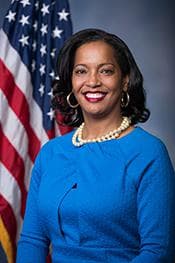
Jahana Hayes
Democratic Representative
Connecticut
Cosponsors (14)
Dwight Evans (Democratic)Jonathan L. Jackson (Democratic)Shontel M. Brown (Democratic)Delia C. Ramirez (Democratic)Henry C. "Hank" Johnson (Democratic)Sheila Cherfilus-McCormick (Democratic)André Carson (Democratic)Jill N. Tokuda (Democratic)LaMonica McIver (Democratic)Pramila Jayapal (Democratic)Eleanor Holmes Norton (Democratic)Bonnie Watson Coleman (Democratic)Nydia M. Velázquez (Democratic)Rashida Tlaib (Democratic)
Judiciary Committee, Energy and Commerce Committee
- Introduced
- In Committee
- On Floor
- Passed Chamber
- Enacted
The House of Representatives declares racism a public health crisis in the United States, recognizing its pervasive and ongoing threat that disproportionately impacts health outcomes, access to care, and life expectancy for various populations. Public health experts agree on significant racial inequities, with Black, American Indian, and Alaska Native people experiencing lower life expectancies and higher rates of maternal and infant mortality. The resolution asserts that racism meets the criteria for a public health crisis because it affects many people, is unfairly distributed, and its effects could be reduced by preventive measures not yet in place. This declaration is rooted in the United States' long history of racism, mistreatment, and discrimination, which has perpetuated health inequities. Examples include the legacy of slavery, broken treaties with indigenous communities, discriminatory immigration laws, and unethical medical practices that fostered mistrust. The resolution highlights how structural racism has cemented inequities through segregated healthcare, environmental injustices, and discriminatory housing practices like redlining, contributing to worse health outcomes. Furthermore, the resolution addresses subtle and implicit racism within the medical profession, leading to biased care and undertreatment, as well as critical knowledge gaps in medical research due to insufficient data on minority groups. It also acknowledges the profound physical and psychological harm caused by discrimination, microaggressions, and overt violence experienced by racial and ethnic minority communities. In response, the House commits to: establishing a nationwide strategy to address health disparities and inequities; dismantling systemic practices and policies that perpetuate racism; advancing reforms for neglected policies that have led to poor health outcomes; and promoting efforts to address the social determinants of health for all racial and ethnic minority groups. This comprehensive approach aims to ensure the United States upholds its moral purpose of equality and unalienable rights for all.
Suggested Questions
Get AI-generated questions to help you understand this bill better
Timeline
Submitted in House
Referred to the Committee on Energy and Commerce, and in addition to the Committee on the Judiciary, for a period to be subsequently determined by the Speaker, in each case for consideration of such provisions as fall within the jurisdiction of the committee concerned.
Health
Health care coverage and accessHealth care qualityMinority healthRacial and ethnic relations
Declaring racism a public health crisis.
USA119th CongressHRES-119| House
| Updated: 2/6/2025
The House of Representatives declares racism a public health crisis in the United States, recognizing its pervasive and ongoing threat that disproportionately impacts health outcomes, access to care, and life expectancy for various populations. Public health experts agree on significant racial inequities, with Black, American Indian, and Alaska Native people experiencing lower life expectancies and higher rates of maternal and infant mortality. The resolution asserts that racism meets the criteria for a public health crisis because it affects many people, is unfairly distributed, and its effects could be reduced by preventive measures not yet in place. This declaration is rooted in the United States' long history of racism, mistreatment, and discrimination, which has perpetuated health inequities. Examples include the legacy of slavery, broken treaties with indigenous communities, discriminatory immigration laws, and unethical medical practices that fostered mistrust. The resolution highlights how structural racism has cemented inequities through segregated healthcare, environmental injustices, and discriminatory housing practices like redlining, contributing to worse health outcomes. Furthermore, the resolution addresses subtle and implicit racism within the medical profession, leading to biased care and undertreatment, as well as critical knowledge gaps in medical research due to insufficient data on minority groups. It also acknowledges the profound physical and psychological harm caused by discrimination, microaggressions, and overt violence experienced by racial and ethnic minority communities. In response, the House commits to: establishing a nationwide strategy to address health disparities and inequities; dismantling systemic practices and policies that perpetuate racism; advancing reforms for neglected policies that have led to poor health outcomes; and promoting efforts to address the social determinants of health for all racial and ethnic minority groups. This comprehensive approach aims to ensure the United States upholds its moral purpose of equality and unalienable rights for all.
Suggested Questions
Get AI-generated questions to help you understand this bill better
Timeline
Submitted in House
Referred to the Committee on Energy and Commerce, and in addition to the Committee on the Judiciary, for a period to be subsequently determined by the Speaker, in each case for consideration of such provisions as fall within the jurisdiction of the committee concerned.
Jahana Hayes
Democratic Representative
Connecticut
Cosponsors (14)
Dwight Evans (Democratic)Jonathan L. Jackson (Democratic)Shontel M. Brown (Democratic)Delia C. Ramirez (Democratic)Henry C. "Hank" Johnson (Democratic)Sheila Cherfilus-McCormick (Democratic)André Carson (Democratic)Jill N. Tokuda (Democratic)LaMonica McIver (Democratic)Pramila Jayapal (Democratic)Eleanor Holmes Norton (Democratic)Bonnie Watson Coleman (Democratic)Nydia M. Velázquez (Democratic)Rashida Tlaib (Democratic)
Judiciary Committee, Energy and Commerce Committee
Health
- Introduced
- In Committee
- On Floor
- Passed Chamber
- Enacted
Health care coverage and accessHealth care qualityMinority healthRacial and ethnic relations