End Taxpayer Funding of Gender Experimentation Act of 2025
USA119th CongressS-977| Senate
| Updated: 3/12/2025
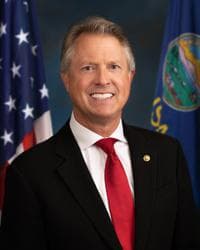
Roger Marshall
Republican Senator
Kansas
Cosponsors (14)
Rick Scott (Republican)Jim Banks (Republican)Cindy Hyde-Smith (Republican)Mike Lee (Republican)James E. Risch (Republican)Cynthia M. Lummis (Republican)Marsha Blackburn (Republican)Lindsey Graham (Republican)Roger F. Wicker (Republican)Tim Sheehy (Republican)Kevin Cramer (Republican)David McCormick (Republican)Josh Hawley (Republican)Ted Budd (Republican)
Finance Committee
- Introduced
- In Committee
- On Floor
- Passed Chamber
- Enacted
This legislation aims to prohibit the use of federal funds for gender transition procedures, including any funds authorized or appropriated by federal law or from federal trust funds. This prohibition extends to health benefits coverage that includes such procedures and prevents federal government-owned or operated health care facilities and federal employees from furnishing these services. The bill broadly defines "gender transition procedure" to encompass various hormonal and surgical interventions, such as puberty blockers, hormone therapies, and numerous specific surgeries. However, it explicitly excludes treatment for complications arising from these procedures, services for medically verifiable disorders of sex development, and interventions for life-threatening physical conditions or precocious puberty. Individuals, entities, or states may still use entirely non-federal funds to purchase separate coverage for these procedures, but not through federally subsidized matching programs like Medicaid. Furthermore, the bill amends the Affordable Care Act (ACA) to disallow premium tax credits and cost-sharing reductions for qualified health plans that cover gender transition procedures. Small employer health insurance expense credits would also not apply to plans covering these procedures, ensuring federal subsidies under the ACA do not support such coverage. While federal subsidies are restricted, individuals and employers retain the option to purchase separate, unsubsidized plans, and the prohibition also applies to multi-State plans offered through ACA exchanges.
View Full TextSuggested Questions
Get AI-generated questions to help you understand this bill better
Timeline
Introduced in Senate
Read twice and referred to the Committee on Finance.
Health
End Taxpayer Funding of Gender Experimentation Act of 2025
USA119th CongressS-977| Senate
| Updated: 3/12/2025
This legislation aims to prohibit the use of federal funds for gender transition procedures, including any funds authorized or appropriated by federal law or from federal trust funds. This prohibition extends to health benefits coverage that includes such procedures and prevents federal government-owned or operated health care facilities and federal employees from furnishing these services. The bill broadly defines "gender transition procedure" to encompass various hormonal and surgical interventions, such as puberty blockers, hormone therapies, and numerous specific surgeries. However, it explicitly excludes treatment for complications arising from these procedures, services for medically verifiable disorders of sex development, and interventions for life-threatening physical conditions or precocious puberty. Individuals, entities, or states may still use entirely non-federal funds to purchase separate coverage for these procedures, but not through federally subsidized matching programs like Medicaid. Furthermore, the bill amends the Affordable Care Act (ACA) to disallow premium tax credits and cost-sharing reductions for qualified health plans that cover gender transition procedures. Small employer health insurance expense credits would also not apply to plans covering these procedures, ensuring federal subsidies under the ACA do not support such coverage. While federal subsidies are restricted, individuals and employers retain the option to purchase separate, unsubsidized plans, and the prohibition also applies to multi-State plans offered through ACA exchanges.
View Full TextSuggested Questions
Get AI-generated questions to help you understand this bill better
Timeline
Introduced in Senate
Read twice and referred to the Committee on Finance.
Roger Marshall
Republican Senator
Kansas
Cosponsors (14)
Rick Scott (Republican)Jim Banks (Republican)Cindy Hyde-Smith (Republican)Mike Lee (Republican)James E. Risch (Republican)Cynthia M. Lummis (Republican)Marsha Blackburn (Republican)Lindsey Graham (Republican)Roger F. Wicker (Republican)Tim Sheehy (Republican)Kevin Cramer (Republican)David McCormick (Republican)Josh Hawley (Republican)Ted Budd (Republican)
Finance Committee
Health
- Introduced
- In Committee
- On Floor
- Passed Chamber
- Enacted