Give Kids a Chance Act of 2025
USA119th CongressS-932| Senate
| Updated: 3/11/2025
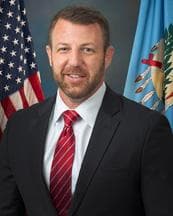
Markwayne Mullin
Republican Senator
Oklahoma
Cosponsors (20)
Jeanne Shaheen (Democratic)Rick Scott (Republican)Tammy Duckworth (Democratic)Roger Marshall (Republican)Adam B. Schiff (Democratic)Jack Reed (Democratic)Christopher A. Coons (Democratic)Eric Schmitt (Republican)Ashley Moody (Republican)Amy Klobuchar (Democratic)John W. Hickenlooper (Democratic)John Boozman (Republican)Tim Sheehy (Republican)John Kennedy (Republican)Michael F. Bennet (Democratic)Andy Kim (Democratic)Jon Husted (Republican)Susan M. Collins (Republican)Mark Kelly (Democratic)Shelley Moore Capito (Republican)
Health, Education, Labor, and Pensions Committee
- Introduced
- In Committee
- On Floor
- Passed Chamber
- Enacted
This bill amends the Federal Food, Drug, and Cosmetic Act to enhance research into pediatric uses of drugs, specifically targeting molecularly targeted pediatric cancer investigations. It expands the scope of these required investigations to include new drugs or biological products, either alone or in combination with other active ingredients. These combinations can involve existing drugs that are part of the standard of care for pediatric cancer or adult cancer drugs that target molecular pathways relevant to pediatric cancer growth. The investigations must be designed to yield clinically meaningful data on dosing, safety, and preliminary efficacy for pediatric labeling. The legislation specifies that combination investigations are permitted only if the application involves a single new active ingredient or a new combination of previously approved adult cancer drugs. The Secretary of Health and Human Services is mandated to issue draft guidance within 12 months of enactment, and finalize it within another 12 months, to facilitate the implementation of these amendments. These new requirements will apply to relevant drug applications submitted three years after the bill's enactment. Furthermore, the bill extends the authority to issue priority review vouchers for rare pediatric diseases, pushing the expiration date from December 20, 2024, to September 30, 2029 . This extension aims to continue incentivizing the development of new human drug products for rare pediatric conditions. It also clarifies that the user fee for such a voucher is due upon the submission of the human drug application for which the voucher is utilized. To ensure accountability and assess effectiveness, the bill requires several reports to Congress. The Secretary of Health and Human Services must report on the implementation of the pediatric cancer investigation amendments within six years. Additionally, the Comptroller General of the United States is directed to conduct two studies: one on the effectiveness of the pediatric cancer investigation requirements within eight years, and another on the impact of the rare pediatric disease priority review vouchers in incentivizing drug development, with a report due within five years of enactment.
Suggested Questions
Get AI-generated questions to help you understand this bill better
Timeline
Introduced in Senate
Read twice and referred to the Committee on Health, Education, Labor, and Pensions.
Health
Give Kids a Chance Act of 2025
USA119th CongressS-932| Senate
| Updated: 3/11/2025
This bill amends the Federal Food, Drug, and Cosmetic Act to enhance research into pediatric uses of drugs, specifically targeting molecularly targeted pediatric cancer investigations. It expands the scope of these required investigations to include new drugs or biological products, either alone or in combination with other active ingredients. These combinations can involve existing drugs that are part of the standard of care for pediatric cancer or adult cancer drugs that target molecular pathways relevant to pediatric cancer growth. The investigations must be designed to yield clinically meaningful data on dosing, safety, and preliminary efficacy for pediatric labeling. The legislation specifies that combination investigations are permitted only if the application involves a single new active ingredient or a new combination of previously approved adult cancer drugs. The Secretary of Health and Human Services is mandated to issue draft guidance within 12 months of enactment, and finalize it within another 12 months, to facilitate the implementation of these amendments. These new requirements will apply to relevant drug applications submitted three years after the bill's enactment. Furthermore, the bill extends the authority to issue priority review vouchers for rare pediatric diseases, pushing the expiration date from December 20, 2024, to September 30, 2029 . This extension aims to continue incentivizing the development of new human drug products for rare pediatric conditions. It also clarifies that the user fee for such a voucher is due upon the submission of the human drug application for which the voucher is utilized. To ensure accountability and assess effectiveness, the bill requires several reports to Congress. The Secretary of Health and Human Services must report on the implementation of the pediatric cancer investigation amendments within six years. Additionally, the Comptroller General of the United States is directed to conduct two studies: one on the effectiveness of the pediatric cancer investigation requirements within eight years, and another on the impact of the rare pediatric disease priority review vouchers in incentivizing drug development, with a report due within five years of enactment.
Suggested Questions
Get AI-generated questions to help you understand this bill better
Timeline
Introduced in Senate
Read twice and referred to the Committee on Health, Education, Labor, and Pensions.
Markwayne Mullin
Republican Senator
Oklahoma
Cosponsors (20)
Jeanne Shaheen (Democratic)Rick Scott (Republican)Tammy Duckworth (Democratic)Roger Marshall (Republican)Adam B. Schiff (Democratic)Jack Reed (Democratic)Christopher A. Coons (Democratic)Eric Schmitt (Republican)Ashley Moody (Republican)Amy Klobuchar (Democratic)John W. Hickenlooper (Democratic)John Boozman (Republican)Tim Sheehy (Republican)John Kennedy (Republican)Michael F. Bennet (Democratic)Andy Kim (Democratic)Jon Husted (Republican)Susan M. Collins (Republican)Mark Kelly (Democratic)Shelley Moore Capito (Republican)
Health, Education, Labor, and Pensions Committee
Health
Related Bills
- Introduced
- In Committee
- On Floor
- Passed Chamber
- Enacted