America First Act
USA119th CongressS-62| Senate
| Updated: 1/9/2025
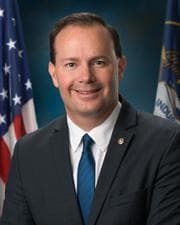
Mike Lee
Republican Senator
Utah
Cosponsors (1)
Finance Committee
- Introduced
- In Committee
- On Floor
- Passed Chamber
- Enacted
The "America First Act" aims to substantially limit the eligibility of certain non-citizens for a wide array of federal public benefits. This comprehensive bill targets individuals who are unlawfully present, those granted parole, asylum seekers, recipients of Temporary Protected Status (TPS), Deferred Action for Childhood Arrivals (DACA), and those with withholding of removal status. Its provisions span across welfare, healthcare, housing, tax credits, education, and emergency assistance programs, fundamentally altering access for these groups. The bill amends the Personal Responsibility and Work Opportunity Reconciliation Act (PRWORA) to narrow the scope of federal public benefits available to non-qualified aliens and redefine who qualifies as an alien for benefit purposes. Specifically, it makes children ineligible for Head Start, WIC, and school meal programs if they are not U.S. citizens or refugees, and if their parents hold certain immigration statuses, including unlawfully present, parolee, asylee, TPS, DACA, or withholding of removal. In healthcare, the legislation restricts Medicaid and Medicare coverage for parolees, asylees, and individuals with TPS or DACA status. It also makes these groups ineligible for Affordable Care Act premium tax credits and cost-sharing reductions. Furthermore, Federally Qualified Health Centers would lose federal funding if they provide non-emergency services to individuals not lawfully present in the United States. Housing programs are also impacted, with new restrictions on assisted housing and single-family housing guaranteed loans, requiring all household members to meet specific citizenship or immigration criteria. The bill removes the Attorney General's discretion to exempt housing programs from PRWORA and makes units occupied by specified non-citizens ineligible for Low-Income Housing Tax Credits. Additionally, the Federal Emergency Management Agency (FEMA) is prohibited from using funds for sheltering, emergency food and shelter programs, or general assistance to these designated non-citizen groups. For education, the bill limits eligibility for postsecondary financial assistance to U.S. citizens, nationals, or permanent residents. It also introduces a mechanism to reduce Elementary and Secondary Education Act (ESEA) funding by 50 percent for "sanctuary jurisdictions" that have policies obstructing federal immigration enforcement. Regarding tax credits, the Child Tax Credit and Earned Income Tax Credit would require a Social Security Number issued to a U.S. citizen or specific lawful permanent resident, and explicitly exclude various non-citizen categories from eligibility. Other provisions include limiting refugee resettlement and services for certain Haitian immigrants, restricting eligibility to Cuban entrants. The bill also strengthens verification requirements for all federal benefit programs, mandating satisfactory immigration status verification from the Department of Homeland Security before benefits can be provided. Finally, it requires relevant agency heads to promulgate necessary rulemaking and guidance to implement these changes.
Suggested Questions
Get AI-generated questions to help you understand this bill better
Timeline
Introduced in Senate
Read twice and referred to the Committee on Finance.
Immigration
America First Act
USA119th CongressS-62| Senate
| Updated: 1/9/2025
The "America First Act" aims to substantially limit the eligibility of certain non-citizens for a wide array of federal public benefits. This comprehensive bill targets individuals who are unlawfully present, those granted parole, asylum seekers, recipients of Temporary Protected Status (TPS), Deferred Action for Childhood Arrivals (DACA), and those with withholding of removal status. Its provisions span across welfare, healthcare, housing, tax credits, education, and emergency assistance programs, fundamentally altering access for these groups. The bill amends the Personal Responsibility and Work Opportunity Reconciliation Act (PRWORA) to narrow the scope of federal public benefits available to non-qualified aliens and redefine who qualifies as an alien for benefit purposes. Specifically, it makes children ineligible for Head Start, WIC, and school meal programs if they are not U.S. citizens or refugees, and if their parents hold certain immigration statuses, including unlawfully present, parolee, asylee, TPS, DACA, or withholding of removal. In healthcare, the legislation restricts Medicaid and Medicare coverage for parolees, asylees, and individuals with TPS or DACA status. It also makes these groups ineligible for Affordable Care Act premium tax credits and cost-sharing reductions. Furthermore, Federally Qualified Health Centers would lose federal funding if they provide non-emergency services to individuals not lawfully present in the United States. Housing programs are also impacted, with new restrictions on assisted housing and single-family housing guaranteed loans, requiring all household members to meet specific citizenship or immigration criteria. The bill removes the Attorney General's discretion to exempt housing programs from PRWORA and makes units occupied by specified non-citizens ineligible for Low-Income Housing Tax Credits. Additionally, the Federal Emergency Management Agency (FEMA) is prohibited from using funds for sheltering, emergency food and shelter programs, or general assistance to these designated non-citizen groups. For education, the bill limits eligibility for postsecondary financial assistance to U.S. citizens, nationals, or permanent residents. It also introduces a mechanism to reduce Elementary and Secondary Education Act (ESEA) funding by 50 percent for "sanctuary jurisdictions" that have policies obstructing federal immigration enforcement. Regarding tax credits, the Child Tax Credit and Earned Income Tax Credit would require a Social Security Number issued to a U.S. citizen or specific lawful permanent resident, and explicitly exclude various non-citizen categories from eligibility. Other provisions include limiting refugee resettlement and services for certain Haitian immigrants, restricting eligibility to Cuban entrants. The bill also strengthens verification requirements for all federal benefit programs, mandating satisfactory immigration status verification from the Department of Homeland Security before benefits can be provided. Finally, it requires relevant agency heads to promulgate necessary rulemaking and guidance to implement these changes.
Suggested Questions
Get AI-generated questions to help you understand this bill better
Timeline
Introduced in Senate
Read twice and referred to the Committee on Finance.
Mike Lee
Republican Senator
Utah
Cosponsors (1)
Finance Committee
Immigration
Related Bills
- Introduced
- In Committee
- On Floor
- Passed Chamber
- Enacted