America First Act
USA119th CongressHR-746| House
| Updated: 1/28/2025
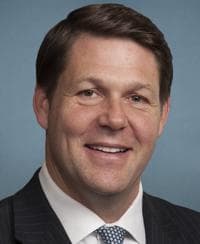
Jodey C. Arrington
Republican Representative
Texas
Cosponsors (4)
Committees (6)
• Transportation and Infrastructure Committee• Ways and Means Committee• Financial Services Committee• Economic Development, Public Buildings, and Emergency Management Subcommittee• Energy and Commerce Committee• Education and Workforce Committee
- Introduced
- In Committee
- On Floor
- Passed Chamber
- Enacted
This bill, known as the America First Act , aims to significantly limit the eligibility of certain non-citizens for a wide array of federal benefits and services. It primarily achieves this by amending existing statutes, including the Personal Responsibility and Work Opportunity Reconciliation Act (PRWORA), to narrow the definition of "qualified alien" and restrict access to federal public benefits. Key provisions include making children ineligible for Head Start if they are not U.S. citizens or refugees and their parent holds specific non-citizen statuses, such as unlawfully present, parole, temporary protected status (TPS), deferred action for childhood arrivals (DACA), asylum, or withholding of removal. Similarly, it limits Medicaid and Medicare coverage for individuals with parole, TPS, DACA, asylum, or withholding of removal status. The bill also restricts eligibility for Affordable Care Act premium tax credits and cost-sharing reductions for these groups and prohibits federal funding for Federally Qualified Health Centers that provide non-emergency services to unlawfully present individuals. In the area of housing, the bill imposes new restrictions on assisted housing programs , including guaranteed loans and low-income housing credits, by excluding families or units occupied by individuals with specific non-citizen statuses like asylum, parole, TPS, or DACA. It also removes the Attorney General's discretion to exempt housing programs from PRWORA restrictions. For tax credits, the bill amends the Child Tax Credit and Earned Income Tax Credit to require a Social Security Number for the taxpayer and qualifying children, and explicitly excludes individuals with certain non-citizen statuses from eligibility. The legislation also prohibits the Federal Emergency Management Agency (FEMA) from using funds for sheltering and related activities for certain non-citizens, including those unlawfully present, parolees, asylees, TPS, or DACA recipients, and restricts funding for the Emergency Food and Shelter Program for these groups. It amends the Higher Education Act to limit postsecondary financial assistance to U.S. citizens, nationals, or permanent residents. Furthermore, the bill mandates a 50% reduction in Elementary and Secondary Education Act funding for " sanctuary jurisdictions ," defined as states or political subdivisions that obstruct federal immigration enforcement. Other significant changes include limiting refugee resettlement and other services by removing "Haitian entrants" from provisions previously applicable to "Cuban and Haitian entrants." It strengthens federal benefit verification processes, requiring states to obtain evidence of satisfactory immigration status and verification from the Department of Homeland Security before providing benefits. The bill establishes citizenship requirements for the WIC program and school meals , making children ineligible if they are not U.S. citizens or refugees and their parent holds certain non-citizen statuses. Finally, the bill prohibits the use of Community Development Block Grant funds to provide monetary contributions or in-kind goods/services to unlawfully present aliens, parolees, asylees, TPS, or DACA recipients. It also revokes the tax-exempt status of 501(c)(3) organizations that use federal funding to support these same non-citizen groups. The head of each appropriate agency is mandated to promulgate regulations and guidance to implement the Act's provisions.
Suggested Questions
Get AI-generated questions to help you understand this bill better
Timeline
Introduced in House
Referred to the Subcommittee on Economic Development, Public Buildings, and Emergency Management.
Referred to the Committee on Ways and Means, and in addition to the Committees on Education and Workforce, Financial Services, Transportation and Infrastructure, and Energy and Commerce, for a period to be subsequently determined by the Speaker, in each case for consideration of such provisions as fall within the jurisdiction of the committee concerned.
Immigration
America First Act
USA119th CongressHR-746| House
| Updated: 1/28/2025
This bill, known as the America First Act , aims to significantly limit the eligibility of certain non-citizens for a wide array of federal benefits and services. It primarily achieves this by amending existing statutes, including the Personal Responsibility and Work Opportunity Reconciliation Act (PRWORA), to narrow the definition of "qualified alien" and restrict access to federal public benefits. Key provisions include making children ineligible for Head Start if they are not U.S. citizens or refugees and their parent holds specific non-citizen statuses, such as unlawfully present, parole, temporary protected status (TPS), deferred action for childhood arrivals (DACA), asylum, or withholding of removal. Similarly, it limits Medicaid and Medicare coverage for individuals with parole, TPS, DACA, asylum, or withholding of removal status. The bill also restricts eligibility for Affordable Care Act premium tax credits and cost-sharing reductions for these groups and prohibits federal funding for Federally Qualified Health Centers that provide non-emergency services to unlawfully present individuals. In the area of housing, the bill imposes new restrictions on assisted housing programs , including guaranteed loans and low-income housing credits, by excluding families or units occupied by individuals with specific non-citizen statuses like asylum, parole, TPS, or DACA. It also removes the Attorney General's discretion to exempt housing programs from PRWORA restrictions. For tax credits, the bill amends the Child Tax Credit and Earned Income Tax Credit to require a Social Security Number for the taxpayer and qualifying children, and explicitly excludes individuals with certain non-citizen statuses from eligibility. The legislation also prohibits the Federal Emergency Management Agency (FEMA) from using funds for sheltering and related activities for certain non-citizens, including those unlawfully present, parolees, asylees, TPS, or DACA recipients, and restricts funding for the Emergency Food and Shelter Program for these groups. It amends the Higher Education Act to limit postsecondary financial assistance to U.S. citizens, nationals, or permanent residents. Furthermore, the bill mandates a 50% reduction in Elementary and Secondary Education Act funding for " sanctuary jurisdictions ," defined as states or political subdivisions that obstruct federal immigration enforcement. Other significant changes include limiting refugee resettlement and other services by removing "Haitian entrants" from provisions previously applicable to "Cuban and Haitian entrants." It strengthens federal benefit verification processes, requiring states to obtain evidence of satisfactory immigration status and verification from the Department of Homeland Security before providing benefits. The bill establishes citizenship requirements for the WIC program and school meals , making children ineligible if they are not U.S. citizens or refugees and their parent holds certain non-citizen statuses. Finally, the bill prohibits the use of Community Development Block Grant funds to provide monetary contributions or in-kind goods/services to unlawfully present aliens, parolees, asylees, TPS, or DACA recipients. It also revokes the tax-exempt status of 501(c)(3) organizations that use federal funding to support these same non-citizen groups. The head of each appropriate agency is mandated to promulgate regulations and guidance to implement the Act's provisions.
Suggested Questions
Get AI-generated questions to help you understand this bill better
Timeline
Introduced in House
Referred to the Subcommittee on Economic Development, Public Buildings, and Emergency Management.
Referred to the Committee on Ways and Means, and in addition to the Committees on Education and Workforce, Financial Services, Transportation and Infrastructure, and Energy and Commerce, for a period to be subsequently determined by the Speaker, in each case for consideration of such provisions as fall within the jurisdiction of the committee concerned.
Jodey C. Arrington
Republican Representative
Texas
Cosponsors (4)
Committees (6)
• Transportation and Infrastructure Committee• Ways and Means Committee• Financial Services Committee• Economic Development, Public Buildings, and Emergency Management Subcommittee• Energy and Commerce Committee• Education and Workforce Committee
Immigration
Related Bills
- Introduced
- In Committee
- On Floor
- Passed Chamber
- Enacted