Coast Guard Authorization Act of 2025
USA119th CongressS-524| Senate
| Updated: 3/10/2025
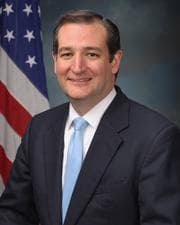
Ted Cruz
Republican Senator
Texas
Commerce, Science, and Transportation Committee
- Introduced
- In Committee
- On Floor
- Passed Chamber
- Enacted
This comprehensive bill, titled the Coast Guard Authorization Act of 2025, authorizes appropriations for the Coast Guard for fiscal years 2025 and 2026, including specific amounts for operations, acquisition, research, and retired pay. It also sets authorized levels for military strength and training, increasing the number of active duty personnel and cadets at the Coast Guard Academy. These financial and personnel authorizations underpin the Coast Guard's ability to execute its diverse missions. Key acquisition provisions include modifying the prohibition on lead systems integrators and exempting service life extension programs from certain acquisition requirements. The bill mandates consideration of life-cycle cost estimates for vessel and aircraft procurement and requires a strategy for a new Great Lakes icebreaker. Regular updates and notifications are also required for the Polar Security Cutter acquisition program, alongside provisions for a floating drydock at the Coast Guard Yard. Organizational and authority changes include increasing the threshold for minor construction projects and requiring tsunami preparedness plans for Coast Guard properties in inundation zones. The bill enhances the public availability of drug and migrant interdiction data and modifies delegation of ports and waterways safety authorities in the Saint Lawrence Seaway. It also mandates a policy to reduce incentives for illicit maritime drug trafficking and a plan for joint training with the Taiwan Coast Guard Administration . Personnel-related provisions introduce direct hire authority for certain positions and a temporary exemption from authorized end strength for senior enlisted members. New family leave policies are established, along with a maternity uniform allowance for officers and enhanced housing authorities. The bill also creates a uniform funding and management system for morale, well-being, and recreation programs. Significant attention is given to behavioral health, with the establishment of a Coast Guard Embedded Behavioral Health Technician Program pilot and expansion of access to counseling services. Other personnel measures include command sponsorship for dependents in Unalaska, Alaska, a travel allowance for members assigned to Alaska, and consolidation of authorities for the College Student Precommissioning Initiative. A tuition assistance pilot program for sea duty and modifications to the career flexibility program are also introduced, alongside incentives for civilian firefighters in remote locations. The bill reinstates a training course on the workings of Congress and modifies the designation of Vice Admirals. New roles are created, including a Commandant Advisory Judge Advocate and a Special Advisor to the Commandant for Tribal and Native Hawaiian Affairs , to enhance legal and tribal engagement. It also establishes new notification requirements to Congress regarding Coast Guard funding and operational status. For the Coast Guard Academy, the bill modifies the Board of Visitors and mandates a study on Academy oversight. It requires electronic locking mechanisms for cadet rooms to enhance security and establishes a Student and Women Advisory Board. Provisions for timely and independent wellness support services, room reassignment, and authorization for facility use by covered foundations are also included, along with concurrent jurisdiction with the State of Connecticut for criminal investigations. Several reports are mandated, covering topics such as maritime domain awareness in Puerto Rico and the Virgin Islands, the condition of Missouri River dayboards, and a comprehensive study on Coast Guard missions and homeporting projects. A report on the Bay class icebreaking tug fleet replacement and a feasibility study on supporting additional port visits for Operation Blue Pacific are also required. In shipping and navigation, the bill revises merchant mariner credentialing requirements, including changes to sea service and training substitutions, and updates citizenship/noncitizen nationality notations. It strengthens penalties for grossly negligent vessel operations and introduces an administrative procedure for security risks. A study on amphibious vessel safety regulations and a performance-driven examination schedule for foreign vessels are also mandated. Ports and waterways safety is enhanced through provisions addressing cyber incidents, transnational organized crime, and foreign state threats, including prohibiting state sponsors of terrorism from visiting certain facilities. The bill requires a study on Bering Strait vessel traffic projections and emergency response posture, and mandates improvements to Vessel Traffic Service monitoring, including proximity alerts for pipelines. Regarding uncrewed systems, the bill establishes a National Advisory Committee on Autonomous Maritime Systems and a pilot program for governance and oversight of small uncrewed maritime systems. It also requires a Coast Guard training course on these systems and a report on uncrewed systems capabilities. Oil pollution response measures include authorizing periodic inspection and verification of salvage and marine firefighting capabilities. It clarifies the use of marine casualty investigations and sets timing for review actions. An online incident reporting system is mandated for the National Response Center, and provisions are made for the investment of Exxon Valdez oil spill court recovery funds. A significant portion of the bill addresses sexual assault and sexual harassment response within the Coast Guard. It mandates an independent review of Coast Guard reforms by the Government Accountability Office and requires a comprehensive policy on the retention and access to evidence and records related to sexual misconduct. This policy includes specific retention periods for physical and documentary evidence and ensures victim access to records. The bill also provides for timely consideration of transfer requests for cadets at the Coast Guard Academy who are victims of sexual assault or related offenses. It authorizes the designation of officers with expertise in military justice or healthcare and establishes a Safe-to-Report policy for minor collateral misconduct. Reporting requirements on covered misconduct are modified for both the Coast Guard and the Academy, ensuring detailed data collection and trend analysis. Further provisions in this area include modifications to the officer involuntary separation process and a review of discharge characterization for former members who committed sexual assault or harassment. It defines covered misconduct and requires notification of changes to the Uniform Code of Military Justice or Manual for Courts Martial relating to such offenses. Complaints of retaliation by victims are also addressed, and policies on military protective orders are to be developed. The bill mandates the Coast Guard's implementation of recommendations from the Independent Review Commission on addressing sexual assault and harassment in the military and requires a policy relating to the care and support of victims. It establishes special victim capabilities to respond to allegations of certain offenses and enhances support for members asserting post-traumatic stress disorder, sexual assault, or traumatic brain injury. Participation in the Department of Defense's Catch a Serial Offender program is also mandated. Accountability and transparency for misconduct allegations against senior leaders are strengthened, requiring reporting to the Inspector General and granting the IG first right to investigate. Confidential reporting of sexual harassment is addressed, and a report on whistleblower protections is required. The Coast Guard Academy's policy on sexual harassment and sexual violence is to be reviewed and modified, and access to the Defense Sexual Assault Incident Database is mandated. Modifications are made to the reopening of retired grade determinations, particularly for cases involving sexual misconduct or failure to report. The bill requires the inclusion and command review of information on covered misconduct in personnel service records and mandates flag officer review and concurrence for the separation of members who have reported sexual misconduct. Expedited transfer and temporary separation programs for victims of sex-related offenses are also established, along with policies to expand prevention of sexual misconduct and continuous vetting of security clearances. Finally, the bill requires various Comptroller General reports and studies on topics including the Coast Guard's research, development, and innovation program, vessel traffic service center employment and retention, behavioral health care quality and availability, efforts to reduce missing medical records, training facility infrastructure, border security station needs, basic allowance for housing, Coast Guard Academy safety and security, Academy athletic coaching, and the permanent change of station process. Title VII includes numerous amendments related to the National Oceanic and Atmospheric Administration, covering its commissioned officer corps, vessel fleet, and South Pacific Tuna Treaty matters.
Suggested Questions
Get AI-generated questions to help you understand this bill better
Timeline
Introduced in Senate
Read twice and referred to the Committee on Commerce, Science, and Transportation.
Passed/agreed to in Senate: Passed Senate without amendment by Unanimous Consent.
Passed Senate without amendment by Unanimous Consent. (consideration: CR S1521-1568; text: CR S1522-1568)
Senate Committee on Commerce, Science, and Transportation discharged by Unanimous Consent.
Message on Senate action sent to the House.
Received in the House
Held at the Desk
Latest Companion Bill Action
HR 119-4275Motion to reconsider laid on the table Agreed to without objection.
Transportation and Public Works
Administrative law and regulatory proceduresAdvisory bodiesAlaskaAlaska Natives and HawaiiansAppropriationsAssault and harassment offensesAtmospheric science and weatherAviation and airportsBorder security and unlawful immigrationCitizenship and naturalizationCivics educationCivil actions and liabilityCoast guardComputers and information technologyComputer security and identity theftCongressional oversightCrime preventionCrime victimsCriminal investigation, prosecution, interrogationCriminal justice information and recordsCriminal procedure and sentencingDefense spendingDepartment of CommerceDomestic violence and child abuseDrug trafficking and controlled substancesEmergency planning and evacuationEmployee benefits and pensionsEmployee hiringEmployee leaveEmployment discrimination and employee rightsEvidence and witnessesFiresFirst responders and emergency personnelGovernment employee pay, benefits, personnel managementGovernment information and archivesGovernment studies and investigationsGreat LakesHealth care coverage and accessHealth care qualityHealth information and medical recordsHealth personnelHigher educationHunting and fishingIntelligence activities, surveillance, classified informationInternational law and treatiesLakes and riversLicensing and registrationsMarine and coastal resources, fisheriesMarine and inland water transportationMental healthMilitary education and trainingMilitary facilities and propertyMilitary historyMilitary medicineMilitary personnel and dependentsMilitary procurement, research, weapons developmentMuseums, exhibitions, cultural centersNational Guard and reservesNavigation, waterways, harborsNeurological disordersOil and gasPacific OceanPersonnel recordsPublic contracts and procurementPuerto RicoPuget SoundResearch and developmentSchool athleticsSex offensesSmuggling and traffickingStudent aid and college costsTexasTransportation costsTransportation safety and securityUser charges and feesU.S. territories and protectoratesVeterans' medical careVeterans' pensions and compensationVirgin IslandsWater quality
Coast Guard Authorization Act of 2025
USA119th CongressS-524| Senate
| Updated: 3/10/2025
This comprehensive bill, titled the Coast Guard Authorization Act of 2025, authorizes appropriations for the Coast Guard for fiscal years 2025 and 2026, including specific amounts for operations, acquisition, research, and retired pay. It also sets authorized levels for military strength and training, increasing the number of active duty personnel and cadets at the Coast Guard Academy. These financial and personnel authorizations underpin the Coast Guard's ability to execute its diverse missions. Key acquisition provisions include modifying the prohibition on lead systems integrators and exempting service life extension programs from certain acquisition requirements. The bill mandates consideration of life-cycle cost estimates for vessel and aircraft procurement and requires a strategy for a new Great Lakes icebreaker. Regular updates and notifications are also required for the Polar Security Cutter acquisition program, alongside provisions for a floating drydock at the Coast Guard Yard. Organizational and authority changes include increasing the threshold for minor construction projects and requiring tsunami preparedness plans for Coast Guard properties in inundation zones. The bill enhances the public availability of drug and migrant interdiction data and modifies delegation of ports and waterways safety authorities in the Saint Lawrence Seaway. It also mandates a policy to reduce incentives for illicit maritime drug trafficking and a plan for joint training with the Taiwan Coast Guard Administration . Personnel-related provisions introduce direct hire authority for certain positions and a temporary exemption from authorized end strength for senior enlisted members. New family leave policies are established, along with a maternity uniform allowance for officers and enhanced housing authorities. The bill also creates a uniform funding and management system for morale, well-being, and recreation programs. Significant attention is given to behavioral health, with the establishment of a Coast Guard Embedded Behavioral Health Technician Program pilot and expansion of access to counseling services. Other personnel measures include command sponsorship for dependents in Unalaska, Alaska, a travel allowance for members assigned to Alaska, and consolidation of authorities for the College Student Precommissioning Initiative. A tuition assistance pilot program for sea duty and modifications to the career flexibility program are also introduced, alongside incentives for civilian firefighters in remote locations. The bill reinstates a training course on the workings of Congress and modifies the designation of Vice Admirals. New roles are created, including a Commandant Advisory Judge Advocate and a Special Advisor to the Commandant for Tribal and Native Hawaiian Affairs , to enhance legal and tribal engagement. It also establishes new notification requirements to Congress regarding Coast Guard funding and operational status. For the Coast Guard Academy, the bill modifies the Board of Visitors and mandates a study on Academy oversight. It requires electronic locking mechanisms for cadet rooms to enhance security and establishes a Student and Women Advisory Board. Provisions for timely and independent wellness support services, room reassignment, and authorization for facility use by covered foundations are also included, along with concurrent jurisdiction with the State of Connecticut for criminal investigations. Several reports are mandated, covering topics such as maritime domain awareness in Puerto Rico and the Virgin Islands, the condition of Missouri River dayboards, and a comprehensive study on Coast Guard missions and homeporting projects. A report on the Bay class icebreaking tug fleet replacement and a feasibility study on supporting additional port visits for Operation Blue Pacific are also required. In shipping and navigation, the bill revises merchant mariner credentialing requirements, including changes to sea service and training substitutions, and updates citizenship/noncitizen nationality notations. It strengthens penalties for grossly negligent vessel operations and introduces an administrative procedure for security risks. A study on amphibious vessel safety regulations and a performance-driven examination schedule for foreign vessels are also mandated. Ports and waterways safety is enhanced through provisions addressing cyber incidents, transnational organized crime, and foreign state threats, including prohibiting state sponsors of terrorism from visiting certain facilities. The bill requires a study on Bering Strait vessel traffic projections and emergency response posture, and mandates improvements to Vessel Traffic Service monitoring, including proximity alerts for pipelines. Regarding uncrewed systems, the bill establishes a National Advisory Committee on Autonomous Maritime Systems and a pilot program for governance and oversight of small uncrewed maritime systems. It also requires a Coast Guard training course on these systems and a report on uncrewed systems capabilities. Oil pollution response measures include authorizing periodic inspection and verification of salvage and marine firefighting capabilities. It clarifies the use of marine casualty investigations and sets timing for review actions. An online incident reporting system is mandated for the National Response Center, and provisions are made for the investment of Exxon Valdez oil spill court recovery funds. A significant portion of the bill addresses sexual assault and sexual harassment response within the Coast Guard. It mandates an independent review of Coast Guard reforms by the Government Accountability Office and requires a comprehensive policy on the retention and access to evidence and records related to sexual misconduct. This policy includes specific retention periods for physical and documentary evidence and ensures victim access to records. The bill also provides for timely consideration of transfer requests for cadets at the Coast Guard Academy who are victims of sexual assault or related offenses. It authorizes the designation of officers with expertise in military justice or healthcare and establishes a Safe-to-Report policy for minor collateral misconduct. Reporting requirements on covered misconduct are modified for both the Coast Guard and the Academy, ensuring detailed data collection and trend analysis. Further provisions in this area include modifications to the officer involuntary separation process and a review of discharge characterization for former members who committed sexual assault or harassment. It defines covered misconduct and requires notification of changes to the Uniform Code of Military Justice or Manual for Courts Martial relating to such offenses. Complaints of retaliation by victims are also addressed, and policies on military protective orders are to be developed. The bill mandates the Coast Guard's implementation of recommendations from the Independent Review Commission on addressing sexual assault and harassment in the military and requires a policy relating to the care and support of victims. It establishes special victim capabilities to respond to allegations of certain offenses and enhances support for members asserting post-traumatic stress disorder, sexual assault, or traumatic brain injury. Participation in the Department of Defense's Catch a Serial Offender program is also mandated. Accountability and transparency for misconduct allegations against senior leaders are strengthened, requiring reporting to the Inspector General and granting the IG first right to investigate. Confidential reporting of sexual harassment is addressed, and a report on whistleblower protections is required. The Coast Guard Academy's policy on sexual harassment and sexual violence is to be reviewed and modified, and access to the Defense Sexual Assault Incident Database is mandated. Modifications are made to the reopening of retired grade determinations, particularly for cases involving sexual misconduct or failure to report. The bill requires the inclusion and command review of information on covered misconduct in personnel service records and mandates flag officer review and concurrence for the separation of members who have reported sexual misconduct. Expedited transfer and temporary separation programs for victims of sex-related offenses are also established, along with policies to expand prevention of sexual misconduct and continuous vetting of security clearances. Finally, the bill requires various Comptroller General reports and studies on topics including the Coast Guard's research, development, and innovation program, vessel traffic service center employment and retention, behavioral health care quality and availability, efforts to reduce missing medical records, training facility infrastructure, border security station needs, basic allowance for housing, Coast Guard Academy safety and security, Academy athletic coaching, and the permanent change of station process. Title VII includes numerous amendments related to the National Oceanic and Atmospheric Administration, covering its commissioned officer corps, vessel fleet, and South Pacific Tuna Treaty matters.
Suggested Questions
Get AI-generated questions to help you understand this bill better
Timeline
Introduced in Senate
Read twice and referred to the Committee on Commerce, Science, and Transportation.
Passed/agreed to in Senate: Passed Senate without amendment by Unanimous Consent.
Passed Senate without amendment by Unanimous Consent. (consideration: CR S1521-1568; text: CR S1522-1568)
Senate Committee on Commerce, Science, and Transportation discharged by Unanimous Consent.
Message on Senate action sent to the House.
Received in the House
Held at the Desk
Latest Companion Bill Action
HR 119-4275Motion to reconsider laid on the table Agreed to without objection.
Ted Cruz
Republican Senator
Texas
Commerce, Science, and Transportation Committee
Transportation and Public Works
Related Bills
- Introduced
- In Committee
- On Floor
- Passed Chamber
- Enacted
Administrative law and regulatory proceduresAdvisory bodiesAlaskaAlaska Natives and HawaiiansAppropriationsAssault and harassment offensesAtmospheric science and weatherAviation and airportsBorder security and unlawful immigrationCitizenship and naturalizationCivics educationCivil actions and liabilityCoast guardComputers and information technologyComputer security and identity theftCongressional oversightCrime preventionCrime victimsCriminal investigation, prosecution, interrogationCriminal justice information and recordsCriminal procedure and sentencingDefense spendingDepartment of CommerceDomestic violence and child abuseDrug trafficking and controlled substancesEmergency planning and evacuationEmployee benefits and pensionsEmployee hiringEmployee leaveEmployment discrimination and employee rightsEvidence and witnessesFiresFirst responders and emergency personnelGovernment employee pay, benefits, personnel managementGovernment information and archivesGovernment studies and investigationsGreat LakesHealth care coverage and accessHealth care qualityHealth information and medical recordsHealth personnelHigher educationHunting and fishingIntelligence activities, surveillance, classified informationInternational law and treatiesLakes and riversLicensing and registrationsMarine and coastal resources, fisheriesMarine and inland water transportationMental healthMilitary education and trainingMilitary facilities and propertyMilitary historyMilitary medicineMilitary personnel and dependentsMilitary procurement, research, weapons developmentMuseums, exhibitions, cultural centersNational Guard and reservesNavigation, waterways, harborsNeurological disordersOil and gasPacific OceanPersonnel recordsPublic contracts and procurementPuerto RicoPuget SoundResearch and developmentSchool athleticsSex offensesSmuggling and traffickingStudent aid and college costsTexasTransportation costsTransportation safety and securityUser charges and feesU.S. territories and protectoratesVeterans' medical careVeterans' pensions and compensationVirgin IslandsWater quality