Restoring Justice for Workers Act
USA119th CongressS-5190| Senate
| Updated: 7/30/2026
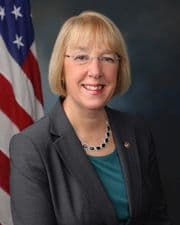
Patty Murray
Democratic Senator
Washington
Cosponsors (17)
Jeanne Shaheen (Democratic)Mazie K. Hirono (Democratic)Ruben Gallego (Democratic)Catherine Cortez Masto (Democratic)Richard J. Durbin (Democratic)Edward J. Markey (Democratic)Jack Reed (Democratic)Elizabeth Warren (Democratic)Alex Padilla (Democratic)Angus S. King (Independent)Amy Klobuchar (Democratic)Christopher Murphy (Democratic)Bernard Sanders (Independent)Tammy Baldwin (Democratic)Jeff Merkley (Democratic)Gary C. Peters (Democratic)Richard Blumenthal (Democratic)
Health, Education, Labor, and Pensions Committee
- Introduced
- In Committee
- On Floor
- Passed Chamber
- Enacted
This bill aims to restore workers' access to the courts by prohibiting employers from requiring them to resolve work-related disputes through forced arbitration. It specifically targets agreements that workers are compelled to sign as a condition of employment, which often waive their right to pursue legal action individually or collectively. The legislation seeks to address the power imbalance between employers and workers, which has been exacerbated by current interpretations of arbitration law. A central provision of the bill makes all predispute arbitration agreements for work disputes invalid and unenforceable. For any postdispute arbitration agreements , the bill establishes stringent requirements to ensure they are genuinely voluntary and informed. These include a mandatory 45-day waiting period, clear written disclosures of workers' rights, and explicit affirmative consent, while prohibiting any coercion or retaliation for refusing to sign. Furthermore, the bill amends the National Labor Relations Act to protect workers' right to engage in concerted activity . It prohibits employers from entering into or enforcing predispute agreements that waive workers' ability to pursue joint, class, or collective claims. Importantly, the bill mandates that a court , not an arbitrator, will determine the applicability and enforceability of these new provisions, ensuring judicial oversight of arbitration agreements in work disputes.
View Full TextSuggested Questions
Get AI-generated questions to help you understand this bill better
Timeline
Introduced in Senate
Read twice and referred to the Committee on Health, Education, Labor, and Pensions.
Restoring Justice for Workers Act
USA119th CongressS-5190| Senate
| Updated: 7/30/2026
This bill aims to restore workers' access to the courts by prohibiting employers from requiring them to resolve work-related disputes through forced arbitration. It specifically targets agreements that workers are compelled to sign as a condition of employment, which often waive their right to pursue legal action individually or collectively. The legislation seeks to address the power imbalance between employers and workers, which has been exacerbated by current interpretations of arbitration law. A central provision of the bill makes all predispute arbitration agreements for work disputes invalid and unenforceable. For any postdispute arbitration agreements , the bill establishes stringent requirements to ensure they are genuinely voluntary and informed. These include a mandatory 45-day waiting period, clear written disclosures of workers' rights, and explicit affirmative consent, while prohibiting any coercion or retaliation for refusing to sign. Furthermore, the bill amends the National Labor Relations Act to protect workers' right to engage in concerted activity . It prohibits employers from entering into or enforcing predispute agreements that waive workers' ability to pursue joint, class, or collective claims. Importantly, the bill mandates that a court , not an arbitrator, will determine the applicability and enforceability of these new provisions, ensuring judicial oversight of arbitration agreements in work disputes.
View Full TextSuggested Questions
Get AI-generated questions to help you understand this bill better
Timeline
Introduced in Senate
Read twice and referred to the Committee on Health, Education, Labor, and Pensions.
Patty Murray
Democratic Senator
Washington
Cosponsors (17)
Jeanne Shaheen (Democratic)Mazie K. Hirono (Democratic)Ruben Gallego (Democratic)Catherine Cortez Masto (Democratic)Richard J. Durbin (Democratic)Edward J. Markey (Democratic)Jack Reed (Democratic)Elizabeth Warren (Democratic)Alex Padilla (Democratic)Angus S. King (Independent)Amy Klobuchar (Democratic)Christopher Murphy (Democratic)Bernard Sanders (Independent)Tammy Baldwin (Democratic)Jeff Merkley (Democratic)Gary C. Peters (Democratic)Richard Blumenthal (Democratic)
Health, Education, Labor, and Pensions Committee
Related Bills
- Introduced
- In Committee
- On Floor
- Passed Chamber
- Enacted