FORK Act of 2026
USA119th CongressS-5184| Senate
| Updated: 7/30/2026
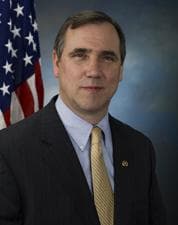
Jeff Merkley
Democratic Senator
Oregon
Cosponsors (2)
Agriculture, Nutrition, and Forestry Committee
- Introduced
- In Committee
- On Floor
- Passed Chamber
- Enacted
The "Feeding Our Rural Kids Act of 2026" establishes a new summer meal delivery vehicle pilot program under the Richard B. Russell National School Lunch Act. This program, to be carried out by the Secretary, will award grants to eligible service institutions to purchase, retrofit, or repair vehicles. The primary goal is to facilitate the distribution of noncongregate summer meals , addressing food insecurity in underserved areas. In awarding these grants, the Secretary will prioritize eligible entities located in areas experiencing poor economic conditions , those outside core-based statistical areas (i.e., rural areas), and those serving a high proportion of socially disadvantaged students . Grants will have a 1-year term, with a maximum amount of $100,000, and up to 10 percent of funds can be used for administrative expenses. Grantees must periodically report on the use and impact of the funds, including the number of sites and children served. The Secretary is also tasked with providing technical assistance and sharing best practices with grant recipients. A comprehensive report on the pilot program's administration, including a summary of grantee reports, must be submitted to Congress within four years of its establishment. The bill authorizes an appropriation of $1,000,000 for each of fiscal years 2027 through 2029 to fund this initiative.
View Full TextSuggested Questions
Get AI-generated questions to help you understand this bill better
Timeline
Introduced in Senate
Read twice and referred to the Committee on Agriculture, Nutrition, and Forestry.
FORK Act of 2026
USA119th CongressS-5184| Senate
| Updated: 7/30/2026
The "Feeding Our Rural Kids Act of 2026" establishes a new summer meal delivery vehicle pilot program under the Richard B. Russell National School Lunch Act. This program, to be carried out by the Secretary, will award grants to eligible service institutions to purchase, retrofit, or repair vehicles. The primary goal is to facilitate the distribution of noncongregate summer meals , addressing food insecurity in underserved areas. In awarding these grants, the Secretary will prioritize eligible entities located in areas experiencing poor economic conditions , those outside core-based statistical areas (i.e., rural areas), and those serving a high proportion of socially disadvantaged students . Grants will have a 1-year term, with a maximum amount of $100,000, and up to 10 percent of funds can be used for administrative expenses. Grantees must periodically report on the use and impact of the funds, including the number of sites and children served. The Secretary is also tasked with providing technical assistance and sharing best practices with grant recipients. A comprehensive report on the pilot program's administration, including a summary of grantee reports, must be submitted to Congress within four years of its establishment. The bill authorizes an appropriation of $1,000,000 for each of fiscal years 2027 through 2029 to fund this initiative.
View Full TextSuggested Questions
Get AI-generated questions to help you understand this bill better
Timeline
Introduced in Senate
Read twice and referred to the Committee on Agriculture, Nutrition, and Forestry.
Jeff Merkley
Democratic Senator
Oregon
Cosponsors (2)
Agriculture, Nutrition, and Forestry Committee
Related Bills
- Introduced
- In Committee
- On Floor
- Passed Chamber
- Enacted