American Food for American Schools Act of 2026
USA119th CongressS-5174| Senate
| Updated: 7/30/2026
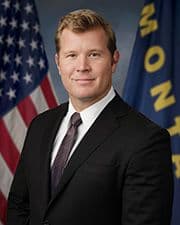
Tim Sheehy
Republican Senator
Montana
Cosponsors (1)
Agriculture, Nutrition, and Forestry Committee
- Introduced
- In Committee
- On Floor
- Passed Chamber
- Enacted
This bill significantly strengthens the "Buy American" requirements within the Richard B. Russell National School Lunch Act, expanding their scope to include snacks served under the school lunch program, as well as the summer food service, child and adult care food, special milk, and school breakfast programs. It also refines the definitions of "domestic commodity or product" and introduces "foreign commodity or product" to clarify sourcing standards for these federal child nutrition programs. A key provision establishes a new, more stringent waiver process for school food authorities (SFAs) seeking to purchase foreign commodities or products. SFAs must now formally request a waiver from the Secretary of Agriculture, with exceptions only if domestic products are unavailable in sufficient quantities or quality. These waivers are subject to a strict limitation, allowing foreign purchases for no more than 5 percent of an SFA's total annual commercial food costs within each meal component. To enhance transparency, the bill mandates that the Department of Agriculture establish and maintain a publicly accessible list on its website detailing all granted waivers, including the specific school food authority and food products involved. Furthermore, SFAs are required to notify parents or guardians annually about any foreign commodities or products purchased. The legislation also introduces new reporting requirements, compelling SFAs to submit annual reports on foreign purchases made without a waiver to their State educational agencies, which then compile and forward this information to the Secretary. Additionally, the bill strengthens contract requirements by mandating that all agreements between SFAs and suppliers include a provision for "Buy American" compliance. Suppliers found in non-compliance with this provision will be required to reimburse the Secretary for the federal funds used to purchase non-compliant foreign goods. The Secretary is also tasked with making publicly available a list of all reported instances of supplier non-compliance , further promoting accountability and transparency in federal child nutrition programs.
View Full TextSuggested Questions
Get AI-generated questions to help you understand this bill better
Timeline
Introduced in Senate
Read twice and referred to the Committee on Agriculture, Nutrition, and Forestry.
Agriculture and Food
American Food for American Schools Act of 2026
USA119th CongressS-5174| Senate
| Updated: 7/30/2026
This bill significantly strengthens the "Buy American" requirements within the Richard B. Russell National School Lunch Act, expanding their scope to include snacks served under the school lunch program, as well as the summer food service, child and adult care food, special milk, and school breakfast programs. It also refines the definitions of "domestic commodity or product" and introduces "foreign commodity or product" to clarify sourcing standards for these federal child nutrition programs. A key provision establishes a new, more stringent waiver process for school food authorities (SFAs) seeking to purchase foreign commodities or products. SFAs must now formally request a waiver from the Secretary of Agriculture, with exceptions only if domestic products are unavailable in sufficient quantities or quality. These waivers are subject to a strict limitation, allowing foreign purchases for no more than 5 percent of an SFA's total annual commercial food costs within each meal component. To enhance transparency, the bill mandates that the Department of Agriculture establish and maintain a publicly accessible list on its website detailing all granted waivers, including the specific school food authority and food products involved. Furthermore, SFAs are required to notify parents or guardians annually about any foreign commodities or products purchased. The legislation also introduces new reporting requirements, compelling SFAs to submit annual reports on foreign purchases made without a waiver to their State educational agencies, which then compile and forward this information to the Secretary. Additionally, the bill strengthens contract requirements by mandating that all agreements between SFAs and suppliers include a provision for "Buy American" compliance. Suppliers found in non-compliance with this provision will be required to reimburse the Secretary for the federal funds used to purchase non-compliant foreign goods. The Secretary is also tasked with making publicly available a list of all reported instances of supplier non-compliance , further promoting accountability and transparency in federal child nutrition programs.
View Full TextSuggested Questions
Get AI-generated questions to help you understand this bill better
Timeline
Introduced in Senate
Read twice and referred to the Committee on Agriculture, Nutrition, and Forestry.
Tim Sheehy
Republican Senator
Montana
Cosponsors (1)
Agriculture, Nutrition, and Forestry Committee
Agriculture and Food
- Introduced
- In Committee
- On Floor
- Passed Chamber
- Enacted