Help Our Kelp Act of 2025
USA119th CongressS-513| Senate
| Updated: 2/11/2025
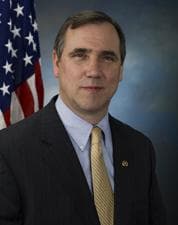
Jeff Merkley
Democratic Senator
Oregon
Cosponsors (5)
Commerce, Science, and Transportation Committee
- Introduced
- In Committee
- On Floor
- Passed Chamber
- Enacted
The "Help Our Kelp Act of 2025" mandates the Secretary of Commerce, through the Administrator of the National Oceanic and Atmospheric Administration, to establish a grant program within 180 days of enactment. This program is designed to fund projects focused on the conservation, restoration, and management of kelp forest ecosystems . Eligible entities for these grants include the fishing industry , institutions of higher education, nonprofit organizations, Indian Tribes , State agencies, and local governments, all of whom must collaborate and provide detailed project applications. Grant-funded projects must address significant regional declines in kelp forests, focusing on long-term resilience, socioeconomic impacts, kelp seeding, and reestablishing trophic relationships. They can also integrate Indigenous knowledge and cultural practices or align with existing restoration plans. A matching requirement generally limits federal funding to 85% of project costs, though this can be waived for projects on tribal lands or when no reasonable means are available. The Act authorizes $5,000,000 annually for fiscal years 2026 through 2030, with a dedicated minimum of $750,000 per year specifically for Indian Tribes, and requires the Administrator to issue guidelines and evaluation criteria for these projects.
View Full TextSuggested Questions
Get AI-generated questions to help you understand this bill better
Timeline
Introduced in Senate
Read twice and referred to the Committee on Commerce, Science, and Transportation.
Public Lands and Natural Resources
AquacultureAquatic ecologyEnvironmental assessment, monitoring, researchIndian lands and resources rightsMarine and coastal resources, fisheriesWildlife conservation and habitat protection
Help Our Kelp Act of 2025
USA119th CongressS-513| Senate
| Updated: 2/11/2025
The "Help Our Kelp Act of 2025" mandates the Secretary of Commerce, through the Administrator of the National Oceanic and Atmospheric Administration, to establish a grant program within 180 days of enactment. This program is designed to fund projects focused on the conservation, restoration, and management of kelp forest ecosystems . Eligible entities for these grants include the fishing industry , institutions of higher education, nonprofit organizations, Indian Tribes , State agencies, and local governments, all of whom must collaborate and provide detailed project applications. Grant-funded projects must address significant regional declines in kelp forests, focusing on long-term resilience, socioeconomic impacts, kelp seeding, and reestablishing trophic relationships. They can also integrate Indigenous knowledge and cultural practices or align with existing restoration plans. A matching requirement generally limits federal funding to 85% of project costs, though this can be waived for projects on tribal lands or when no reasonable means are available. The Act authorizes $5,000,000 annually for fiscal years 2026 through 2030, with a dedicated minimum of $750,000 per year specifically for Indian Tribes, and requires the Administrator to issue guidelines and evaluation criteria for these projects.
View Full TextSuggested Questions
Get AI-generated questions to help you understand this bill better
Timeline
Introduced in Senate
Read twice and referred to the Committee on Commerce, Science, and Transportation.
Jeff Merkley
Democratic Senator
Oregon
Cosponsors (5)
Commerce, Science, and Transportation Committee
Public Lands and Natural Resources
Related Bills
- Introduced
- In Committee
- On Floor
- Passed Chamber
- Enacted
AquacultureAquatic ecologyEnvironmental assessment, monitoring, researchIndian lands and resources rightsMarine and coastal resources, fisheriesWildlife conservation and habitat protection