Help Our Kelp Act of 2025
USA119th CongressHR-1124| House
| Updated: 2/7/2025
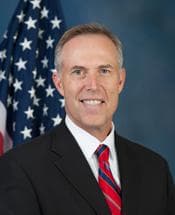
Jared Huffman
Democratic Representative
California
Cosponsors (2)
Natural Resources Committee
- Introduced
- In Committee
- On Floor
- Passed Chamber
- Enacted
This bill, known as the "Help Our Kelp Act of 2025," mandates the Secretary of Commerce, through the NOAA Administrator, to establish a grant program within 180 days of enactment. The program's core purpose is to support and restore native wild kelp forest ecosystems, aiming for long-term recovery of naturally functioning systems without involving commercial or mechanized harvesting. This initiative seeks to address the significant decline in kelp forests across various regions. Grants will be available to a diverse range of eligible entities , including the fishing industry , institutions of higher education , nonprofit organizations , Indian Tribes , State agencies , and local governments . Applicants must consult or collaborate with other specified entities and submit detailed project proposals outlining monitoring and evaluation criteria. Eligible projects focus on enhancing long-term ecosystem and socioeconomic resilience , kelp seeding, re-establishing natural trophic relationships through actions like urchin removal, monitoring, and integrating Indigenous knowledge and cultural practices . A matching requirement stipulates that federal funding cannot exceed 85 percent of project costs, though this can be waived under certain conditions, particularly for projects on lands owned by or held in trust for an Indian Tribe . The bill authorizes an appropriation of $5,000,000 for each of fiscal years 2026 through 2030, with not less than $750,000 annually specifically allocated for grants to Indian Tribes , alongside outreach efforts if no tribal grants are awarded.
View Full TextSuggested Questions
Get AI-generated questions to help you understand this bill better
Timeline
Introduced in House
Referred to the House Committee on Natural Resources.
Public Lands and Natural Resources
AquacultureAquatic ecologyEnvironmental assessment, monitoring, researchIndian lands and resources rightsMarine and coastal resources, fisheriesWildlife conservation and habitat protection
Help Our Kelp Act of 2025
USA119th CongressHR-1124| House
| Updated: 2/7/2025
This bill, known as the "Help Our Kelp Act of 2025," mandates the Secretary of Commerce, through the NOAA Administrator, to establish a grant program within 180 days of enactment. The program's core purpose is to support and restore native wild kelp forest ecosystems, aiming for long-term recovery of naturally functioning systems without involving commercial or mechanized harvesting. This initiative seeks to address the significant decline in kelp forests across various regions. Grants will be available to a diverse range of eligible entities , including the fishing industry , institutions of higher education , nonprofit organizations , Indian Tribes , State agencies , and local governments . Applicants must consult or collaborate with other specified entities and submit detailed project proposals outlining monitoring and evaluation criteria. Eligible projects focus on enhancing long-term ecosystem and socioeconomic resilience , kelp seeding, re-establishing natural trophic relationships through actions like urchin removal, monitoring, and integrating Indigenous knowledge and cultural practices . A matching requirement stipulates that federal funding cannot exceed 85 percent of project costs, though this can be waived under certain conditions, particularly for projects on lands owned by or held in trust for an Indian Tribe . The bill authorizes an appropriation of $5,000,000 for each of fiscal years 2026 through 2030, with not less than $750,000 annually specifically allocated for grants to Indian Tribes , alongside outreach efforts if no tribal grants are awarded.
View Full TextSuggested Questions
Get AI-generated questions to help you understand this bill better
Timeline
Introduced in House
Referred to the House Committee on Natural Resources.
Jared Huffman
Democratic Representative
California
Cosponsors (2)
Natural Resources Committee
Public Lands and Natural Resources
Related Bills
- Introduced
- In Committee
- On Floor
- Passed Chamber
- Enacted
AquacultureAquatic ecologyEnvironmental assessment, monitoring, researchIndian lands and resources rightsMarine and coastal resources, fisheriesWildlife conservation and habitat protection