China-Africa Mining Transparency Act
USA119th CongressS-4473| Senate
| Updated: 4/30/2026
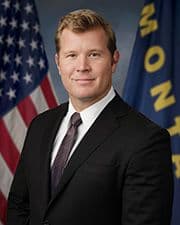
Tim Sheehy
Republican Senator
Montana
Cosponsors (1)
Foreign Relations Committee
- Introduced
- In Committee
- On Floor
- Passed Chamber
- Enacted
This legislation mandates the Secretary of State to annually compile and publicly release a list of PRC entities engaged in mining activities across African countries. The targeted entities are those involved in extracting critical minerals, gold, or iron , specifically if they are found to be using forced labor or causing environmental harm to protected areas . This requirement applies to mining operations in countries such as the Democratic Republic of the Congo, Nigeria, Guinea, Zambia, South Africa, Zimbabwe, and other African nations. The Secretary must develop and submit this list to Congress, and make it publicly available online, for a 5-year period . The process for creating the list involves leveraging open-source information , data from U.S. embassies, and consulting with various federal departments, including Labor, Commerce, Treasury, and the Director of National Intelligence. Each annual list will also identify the specific mines, mining zones, or concessions where these concerning activities are taking place.
View Full TextSuggested Questions
Get AI-generated questions to help you understand this bill better
Timeline
Introduced in Senate
Read twice and referred to the Committee on Foreign Relations.
International Affairs
China-Africa Mining Transparency Act
USA119th CongressS-4473| Senate
| Updated: 4/30/2026
This legislation mandates the Secretary of State to annually compile and publicly release a list of PRC entities engaged in mining activities across African countries. The targeted entities are those involved in extracting critical minerals, gold, or iron , specifically if they are found to be using forced labor or causing environmental harm to protected areas . This requirement applies to mining operations in countries such as the Democratic Republic of the Congo, Nigeria, Guinea, Zambia, South Africa, Zimbabwe, and other African nations. The Secretary must develop and submit this list to Congress, and make it publicly available online, for a 5-year period . The process for creating the list involves leveraging open-source information , data from U.S. embassies, and consulting with various federal departments, including Labor, Commerce, Treasury, and the Director of National Intelligence. Each annual list will also identify the specific mines, mining zones, or concessions where these concerning activities are taking place.
View Full TextSuggested Questions
Get AI-generated questions to help you understand this bill better
Timeline
Introduced in Senate
Read twice and referred to the Committee on Foreign Relations.
Tim Sheehy
Republican Senator
Montana
Cosponsors (1)
Foreign Relations Committee
International Affairs
Related Bills
- Introduced
- In Committee
- On Floor
- Passed Chamber
- Enacted