Stop Insider Trading Act
USA119th CongressS-4134| Senate
| Updated: 3/18/2026
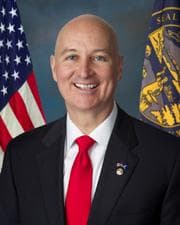
Pete Ricketts
Republican Senator
Nebraska
Cosponsors (14)
Bill Cassidy (Republican)Roger Marshall (Republican)Dan Sullivan (Republican)Katie Boyd Britt (Republican)James E. Risch (Republican)Cynthia M. Lummis (Republican)Todd Young (Republican)Kevin Cramer (Republican)Deb Fischer (Republican)David McCormick (Republican)John Cornyn (Republican)Jon Husted (Republican)Chuck Grassley (Republican)Steve Daines (Republican)
Homeland Security and Governmental Affairs Committee
- Introduced
- In Committee
- On Floor
- Passed Chamber
- Enacted
This legislation, titled the "Stop Insider Trading Act," aims to prevent potential conflicts of interest by imposing strict limitations on financial transactions by Members of Congress, their spouses, and dependent children. It specifically prohibits these covered individuals from purchasing covered investments , which include securities issued by publicly traded companies and related financial instruments, while serving in federal office. Certain investments, such as diversified funds, small business interests, and specific trusts, are excluded from these restrictions. The bill also mandates an advanced notice requirement for selling covered investments. A Member of Congress must publicly disclose an intent to sell, on behalf of themselves or their family, at least 7 but no more than 14 calendar days prior to the transaction, detailing the projected date, description, and number of shares. Exceptions exist for transactions made by spouses or dependents on behalf of others, as part of their employment compensation, or for dividend reinvestment. Violations of these restrictions carry significant consequences. A supervising ethics office will direct the payment of a fee, which is the greater of $2,000 or 10 percent of the transaction value, plus any net gain realized from the investment. Furthermore, any illegally purchased covered investment must be sold. These penalties cannot be paid using official congressional allowances or campaign funds; unpaid fees may result in referral to the Attorney General, and the Act's provisions take effect 180 days after enactment.
View Full TextSuggested Questions
Get AI-generated questions to help you understand this bill better
Timeline
Introduced in Senate
Read twice and referred to the Committee on Homeland Security and Governmental Affairs.
Latest Companion Bill Action
HR 119-7008Read the second time. Placed on Senate Legislative Calendar under General Orders. Calendar No. 548.
Government Operations and Politics
Stop Insider Trading Act
USA119th CongressS-4134| Senate
| Updated: 3/18/2026
This legislation, titled the "Stop Insider Trading Act," aims to prevent potential conflicts of interest by imposing strict limitations on financial transactions by Members of Congress, their spouses, and dependent children. It specifically prohibits these covered individuals from purchasing covered investments , which include securities issued by publicly traded companies and related financial instruments, while serving in federal office. Certain investments, such as diversified funds, small business interests, and specific trusts, are excluded from these restrictions. The bill also mandates an advanced notice requirement for selling covered investments. A Member of Congress must publicly disclose an intent to sell, on behalf of themselves or their family, at least 7 but no more than 14 calendar days prior to the transaction, detailing the projected date, description, and number of shares. Exceptions exist for transactions made by spouses or dependents on behalf of others, as part of their employment compensation, or for dividend reinvestment. Violations of these restrictions carry significant consequences. A supervising ethics office will direct the payment of a fee, which is the greater of $2,000 or 10 percent of the transaction value, plus any net gain realized from the investment. Furthermore, any illegally purchased covered investment must be sold. These penalties cannot be paid using official congressional allowances or campaign funds; unpaid fees may result in referral to the Attorney General, and the Act's provisions take effect 180 days after enactment.
View Full TextSuggested Questions
Get AI-generated questions to help you understand this bill better
Timeline
Introduced in Senate
Read twice and referred to the Committee on Homeland Security and Governmental Affairs.
Latest Companion Bill Action
HR 119-7008Read the second time. Placed on Senate Legislative Calendar under General Orders. Calendar No. 548.
Pete Ricketts
Republican Senator
Nebraska
Cosponsors (14)
Bill Cassidy (Republican)Roger Marshall (Republican)Dan Sullivan (Republican)Katie Boyd Britt (Republican)James E. Risch (Republican)Cynthia M. Lummis (Republican)Todd Young (Republican)Kevin Cramer (Republican)Deb Fischer (Republican)David McCormick (Republican)John Cornyn (Republican)Jon Husted (Republican)Chuck Grassley (Republican)Steve Daines (Republican)
Homeland Security and Governmental Affairs Committee
Government Operations and Politics
Related Bills
- Introduced
- In Committee
- On Floor
- Passed Chamber
- Enacted