National Veterans Strategy Act of 2026
USA119th CongressS-3726| Senate
| Updated: 4/29/2026
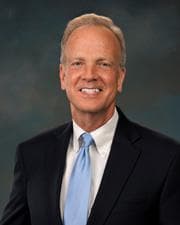
Jerry Moran
Republican Senator
Kansas
Cosponsors (7)
Veterans' Affairs Committee
- Introduced
- In Committee
- On Floor
- Passed Chamber
- Enacted
This legislation establishes a comprehensive framework for enhancing veteran well-being and success after military service. Congress finds that successful veterans provide a continued return on investment to the United States, strengthen the economy, and enhance national security and military readiness by inspiring future generations to serve. The bill mandates that the President, in collaboration with a wide array of key stakeholders, establish metrics to determine the well-being of the veteran population. These metrics will cover critical areas such as physical health , mental health , economic security and opportunity , education , family and social engagement , and civic engagement . Key stakeholders involved in this process include: Congress Various federal departments (e.g., VA, Defense, Labor, HHS, HUD) State and local governments Tribal organizations Veterans service organizations Nonprofit organizations serving veterans Institutions of higher learning and research organizations Philanthropy associations, trade/professional associations, and private sector companies Furthermore, the President is required to formulate and submit to Congress a National Veterans Strategy not less frequently than every four years. This strategy will align resources and efforts across government, nonprofit, and private sectors to help veterans achieve success based on the defined metrics. The formulation process must involve extensive consultation with these stakeholders and public input, including feedback from veterans and their families. The Strategy must consider the diverse needs of veterans across demographics like age, geographic location, sex, race, service period, and disability status. It will provide methods for evaluating overall veteran well-being and direct how benefits and services should be applied to maximize effectiveness and efficiency across all sectors. This includes coordinating direct services and federal grants, and potentially delineating services by organization type. To ensure accountability, the Strategy must include standard metrics for evaluating outcomes, which federal agencies and grant recipients must apply uniformly. The President will direct federal agencies to implement the Strategy, incorporating its objectives into their strategic plans. Annual reports to Congress will detail implementation progress, spending alignment, and identify barriers and recommendations for improvement, while quadrennial reviews, also with public input, will assess the Strategy's effectiveness and recommend updates.
View Full TextSuggested Questions
Get AI-generated questions to help you understand this bill better
Timeline
Introduced in Senate
Read twice and referred to the Committee on Veterans' Affairs.
Committee on Veterans' Affairs. Hearings held.
Armed Forces and National Security
Congressional oversightGovernment information and archivesGovernment studies and investigationsIntergovernmental relationsLegislative rules and procedurePublic-private cooperationState and local government operationsVeterans' education, employment, rehabilitationVeterans' organizations and recognitionVeterans' pensions and compensation
National Veterans Strategy Act of 2026
USA119th CongressS-3726| Senate
| Updated: 4/29/2026
This legislation establishes a comprehensive framework for enhancing veteran well-being and success after military service. Congress finds that successful veterans provide a continued return on investment to the United States, strengthen the economy, and enhance national security and military readiness by inspiring future generations to serve. The bill mandates that the President, in collaboration with a wide array of key stakeholders, establish metrics to determine the well-being of the veteran population. These metrics will cover critical areas such as physical health , mental health , economic security and opportunity , education , family and social engagement , and civic engagement . Key stakeholders involved in this process include: Congress Various federal departments (e.g., VA, Defense, Labor, HHS, HUD) State and local governments Tribal organizations Veterans service organizations Nonprofit organizations serving veterans Institutions of higher learning and research organizations Philanthropy associations, trade/professional associations, and private sector companies Furthermore, the President is required to formulate and submit to Congress a National Veterans Strategy not less frequently than every four years. This strategy will align resources and efforts across government, nonprofit, and private sectors to help veterans achieve success based on the defined metrics. The formulation process must involve extensive consultation with these stakeholders and public input, including feedback from veterans and their families. The Strategy must consider the diverse needs of veterans across demographics like age, geographic location, sex, race, service period, and disability status. It will provide methods for evaluating overall veteran well-being and direct how benefits and services should be applied to maximize effectiveness and efficiency across all sectors. This includes coordinating direct services and federal grants, and potentially delineating services by organization type. To ensure accountability, the Strategy must include standard metrics for evaluating outcomes, which federal agencies and grant recipients must apply uniformly. The President will direct federal agencies to implement the Strategy, incorporating its objectives into their strategic plans. Annual reports to Congress will detail implementation progress, spending alignment, and identify barriers and recommendations for improvement, while quadrennial reviews, also with public input, will assess the Strategy's effectiveness and recommend updates.
View Full TextSuggested Questions
Get AI-generated questions to help you understand this bill better
Timeline
Introduced in Senate
Read twice and referred to the Committee on Veterans' Affairs.
Committee on Veterans' Affairs. Hearings held.
Jerry Moran
Republican Senator
Kansas
Cosponsors (7)
Veterans' Affairs Committee
Armed Forces and National Security
Related Bills
- Introduced
- In Committee
- On Floor
- Passed Chamber
- Enacted
Congressional oversightGovernment information and archivesGovernment studies and investigationsIntergovernmental relationsLegislative rules and procedurePublic-private cooperationState and local government operationsVeterans' education, employment, rehabilitationVeterans' organizations and recognitionVeterans' pensions and compensation