SCAM Act
USA119th CongressS-3674| Senate
| Updated: 1/26/2026
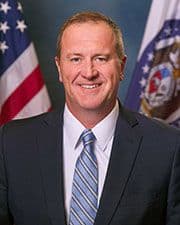
Eric Schmitt
Republican Senator
Missouri
Cosponsors (10)
- Introduced
- In Committee
- On Floor
- Passed Chamber
- Enacted
The "Stop Citizenship Abuse and Misrepresentation Act," or SCAM Act, aims to significantly expand and clarify the grounds for civil denaturalization proceedings. Its core purpose is to enable the United States to revoke the citizenship of individuals who, through specific actions, demonstrate they lacked the necessary good moral character, attachment to the Constitution, and disposition to good order at the time of their naturalization. The bill establishes three primary categories of actions that would trigger denaturalization if they occur within 10 years of naturalization. These include associating with a foreign terrorist organization , being convicted of or admitting to fraud against federal, state, local, or tribal governments involving at least $10,000, or being convicted of or admitting to an aggravated felony or espionage offense . These actions are deemed prima facie evidence that the individual's citizenship was obtained by concealment or misrepresentation. Upon denaturalization, the order admitting the person to citizenship is revoked and set aside, and their certificate of naturalization is canceled. This revocation is retroactive , meaning the citizenship is treated as void from its original issue date. Furthermore, any person whose citizenship is canceled under these provisions will be removable through expedited proceedings, regardless of their post-denaturalization immigration status or the time elapsed since naturalization. A fallback provision specifies that if the 10-year period is found unconstitutional, it will revert to a 5-year period. The bill also includes a Sense of Congress stating that a prior Supreme Court ruling on denaturalization effects (Costello v. INS) was misconstrued.
View Full TextSuggested Questions
Get AI-generated questions to help you understand this bill better
Timeline
Introduced in Senate
Introduced in the Senate. Read the first time. Placed on Senate Legislative Calendar under Read the First Time.
Read the second time. Placed on Senate Legislative Calendar under General Orders. Calendar No. 301.
Immigration
SCAM Act
USA119th CongressS-3674| Senate
| Updated: 1/26/2026
The "Stop Citizenship Abuse and Misrepresentation Act," or SCAM Act, aims to significantly expand and clarify the grounds for civil denaturalization proceedings. Its core purpose is to enable the United States to revoke the citizenship of individuals who, through specific actions, demonstrate they lacked the necessary good moral character, attachment to the Constitution, and disposition to good order at the time of their naturalization. The bill establishes three primary categories of actions that would trigger denaturalization if they occur within 10 years of naturalization. These include associating with a foreign terrorist organization , being convicted of or admitting to fraud against federal, state, local, or tribal governments involving at least $10,000, or being convicted of or admitting to an aggravated felony or espionage offense . These actions are deemed prima facie evidence that the individual's citizenship was obtained by concealment or misrepresentation. Upon denaturalization, the order admitting the person to citizenship is revoked and set aside, and their certificate of naturalization is canceled. This revocation is retroactive , meaning the citizenship is treated as void from its original issue date. Furthermore, any person whose citizenship is canceled under these provisions will be removable through expedited proceedings, regardless of their post-denaturalization immigration status or the time elapsed since naturalization. A fallback provision specifies that if the 10-year period is found unconstitutional, it will revert to a 5-year period. The bill also includes a Sense of Congress stating that a prior Supreme Court ruling on denaturalization effects (Costello v. INS) was misconstrued.
View Full TextSuggested Questions
Get AI-generated questions to help you understand this bill better
Timeline
Introduced in Senate
Introduced in the Senate. Read the first time. Placed on Senate Legislative Calendar under Read the First Time.
Read the second time. Placed on Senate Legislative Calendar under General Orders. Calendar No. 301.
Eric Schmitt
Republican Senator
Missouri
Cosponsors (10)
Immigration
Related Bills
- Introduced
- In Committee
- On Floor
- Passed Chamber
- Enacted