SCAM Act
USA119th CongressHR-7156| House
| Updated: 1/20/2026
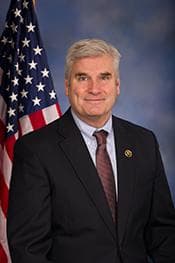
Tom Emmer
Republican Representative
Minnesota
Cosponsors (52)
Sheri Biggs (Republican)Paul A. Gosar (Republican)Chip Roy (Republican)Barry Moore (Republican)Tim Burchett (Republican)Elijah Crane (Republican)Mark Alford (Republican)Lance Gooden (Republican)Mike Collins (Republican)Keith Self (Republican)Beth Van Duyne (Republican)Aaron Bean (Republican)William R. Timmons (Republican)Brandon Gill (Republican)Earl L. "Buddy" Carter (Republican)Brian Jack (Republican)Clay Fuller (Republican)Anna Paulina Luna (Republican)Ronny Jackson (Republican)James R. Baird (Republican)Jefferson Shreve (Republican)Joe Wilson (Republican)Nancy Mace (Republican)Mike D. Rogers (Republican)Roger Williams (Republican)Mike Kennedy (Republican)Brad Finstad (Republican)Glenn Grothman (Republican)Troy E. Nehls (Republican)Austin Scott (Republican)Byron Donalds (Republican)Gary J. Palmer (Republican)Julia Letlow (Republican)Mary E. Miller (Republican)Mike Bost (Republican)Pete Stauber (Republican)Dale W. Strong (Republican)Addison P. McDowell (Republican)Wesley Hunt (Republican)John W. Rose (Republican)John J. McGuire (Republican)Randy K. Sr. Weber (Republican)Mark Harris (Republican)Ralph Norman (Republican)Jimmy Patronis (Republican)Josh Brecheen (Republican)Tracey Mann (Republican)Michelle Fischbach (Republican)Jennifer A. Kiggans (Republican)Tim Moore (Republican)Michael Guest (Republican)Craig A. Goldman (Republican)
Judiciary Committee
- Introduced
- In Committee
- On Floor
- Passed Chamber
- Enacted
This legislation aims to expand and clarify the grounds for civil denaturalization proceedings. Its primary purpose is to address naturalized citizens who, through specific actions, demonstrate they lacked the requisite good moral character and attachment to the U.S. Constitution at the time of their naturalization. The bill establishes new conditions under which denaturalization can occur. If a naturalized citizen, within 10 years of their naturalization date, associates with a foreign terrorist organization , is convicted of or admits to defrauding a federal, state, local, or tribal government of at least $10,000, or commits an aggravated felony or espionage offense , these actions will serve as prima facie evidence of misrepresentation during their naturalization process. Specifically, these acts would indicate that the individual was not of good moral character, attached to constitutional principles, or well-disposed to the good order of the United States at the time of naturalization. Consequently, their order admitting them to citizenship would be revoked and set aside, and their certificate of naturalization cancelled, with retroactive effect to the original date of issuance. Any person whose citizenship is cancelled under these provisions will become removable through expedited proceedings, irrespective of their immigration status after denaturalization or the time elapsed. The bill includes a fallback provision, reducing the 10-year period to 5 years if the former is deemed unconstitutional, and clarifies the Attorney General's role in initiating these proceedings.
View Full TextSuggested Questions
Get AI-generated questions to help you understand this bill better
Timeline
Introduced in House
Referred to the House Committee on the Judiciary.
Immigration
SCAM Act
USA119th CongressHR-7156| House
| Updated: 1/20/2026
This legislation aims to expand and clarify the grounds for civil denaturalization proceedings. Its primary purpose is to address naturalized citizens who, through specific actions, demonstrate they lacked the requisite good moral character and attachment to the U.S. Constitution at the time of their naturalization. The bill establishes new conditions under which denaturalization can occur. If a naturalized citizen, within 10 years of their naturalization date, associates with a foreign terrorist organization , is convicted of or admits to defrauding a federal, state, local, or tribal government of at least $10,000, or commits an aggravated felony or espionage offense , these actions will serve as prima facie evidence of misrepresentation during their naturalization process. Specifically, these acts would indicate that the individual was not of good moral character, attached to constitutional principles, or well-disposed to the good order of the United States at the time of naturalization. Consequently, their order admitting them to citizenship would be revoked and set aside, and their certificate of naturalization cancelled, with retroactive effect to the original date of issuance. Any person whose citizenship is cancelled under these provisions will become removable through expedited proceedings, irrespective of their immigration status after denaturalization or the time elapsed. The bill includes a fallback provision, reducing the 10-year period to 5 years if the former is deemed unconstitutional, and clarifies the Attorney General's role in initiating these proceedings.
View Full TextSuggested Questions
Get AI-generated questions to help you understand this bill better
Timeline
Introduced in House
Referred to the House Committee on the Judiciary.
Tom Emmer
Republican Representative
Minnesota
Cosponsors (52)
Sheri Biggs (Republican)Paul A. Gosar (Republican)Chip Roy (Republican)Barry Moore (Republican)Tim Burchett (Republican)Elijah Crane (Republican)Mark Alford (Republican)Lance Gooden (Republican)Mike Collins (Republican)Keith Self (Republican)Beth Van Duyne (Republican)Aaron Bean (Republican)William R. Timmons (Republican)Brandon Gill (Republican)Earl L. "Buddy" Carter (Republican)Brian Jack (Republican)Clay Fuller (Republican)Anna Paulina Luna (Republican)Ronny Jackson (Republican)James R. Baird (Republican)Jefferson Shreve (Republican)Joe Wilson (Republican)Nancy Mace (Republican)Mike D. Rogers (Republican)Roger Williams (Republican)Mike Kennedy (Republican)Brad Finstad (Republican)Glenn Grothman (Republican)Troy E. Nehls (Republican)Austin Scott (Republican)Byron Donalds (Republican)Gary J. Palmer (Republican)Julia Letlow (Republican)Mary E. Miller (Republican)Mike Bost (Republican)Pete Stauber (Republican)Dale W. Strong (Republican)Addison P. McDowell (Republican)Wesley Hunt (Republican)John W. Rose (Republican)John J. McGuire (Republican)Randy K. Sr. Weber (Republican)Mark Harris (Republican)Ralph Norman (Republican)Jimmy Patronis (Republican)Josh Brecheen (Republican)Tracey Mann (Republican)Michelle Fischbach (Republican)Jennifer A. Kiggans (Republican)Tim Moore (Republican)Michael Guest (Republican)Craig A. Goldman (Republican)
Judiciary Committee
Immigration
Related Bills
- Introduced
- In Committee
- On Floor
- Passed Chamber
- Enacted