Roadway Safety Modernization Act of 2025
USA119th CongressS-3572| Senate
| Updated: 12/18/2025
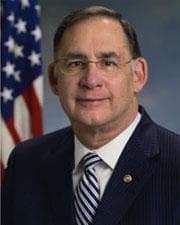
John Boozman
Republican Senator
Arkansas
Cosponsors (4)
Commerce, Science, and Transportation Committee
- Introduced
- In Committee
- On Floor
- Passed Chamber
- Enacted
This legislation amends Title 23, United States Code, to significantly enhance highway safety programs by incorporating advanced technological tools. It specifically targets the Highway Safety Improvement Program , the National Highway Freight Program , and National Priority Safety Programs . The core aim is to allow grant recipients to utilize technologies such as predictive data analytics and telematics for more effective risk assessment and safety planning, moving towards a more proactive approach to roadway safety. Under the amended programs, states will be able to use these tools for developing and deploying safety data systems, defining safety data, and proactively identifying and addressing roadway safety risks. For instance, the bill expands eligible activities to include the acquisition of predictive analytics for risk modeling and planning, and mandates their use in evaluating the effectiveness of safety projects. This includes assessing comparative benefits of various safety strategies to determine optimal interventions. Furthermore, the bill directs the Secretary of Transportation to issue guidance within one year on best practices for anonymizing and securing data , protecting personally identifiable information, and promoting transparency in the use of these tools. It also emphasizes ensuring that these technologies are grounded in validated methodologies for reliability and effectiveness. The Secretary is also required to coordinate activities across various Department of Transportation agencies and consult with other federal departments to ensure interoperability and effective use of these predictive safety tools.
View Full TextSuggested Questions
Get AI-generated questions to help you understand this bill better
Timeline
Introduced in Senate
Read twice and referred to the Committee on Commerce, Science, and Transportation.
Transportation and Public Works
Roadway Safety Modernization Act of 2025
USA119th CongressS-3572| Senate
| Updated: 12/18/2025
This legislation amends Title 23, United States Code, to significantly enhance highway safety programs by incorporating advanced technological tools. It specifically targets the Highway Safety Improvement Program , the National Highway Freight Program , and National Priority Safety Programs . The core aim is to allow grant recipients to utilize technologies such as predictive data analytics and telematics for more effective risk assessment and safety planning, moving towards a more proactive approach to roadway safety. Under the amended programs, states will be able to use these tools for developing and deploying safety data systems, defining safety data, and proactively identifying and addressing roadway safety risks. For instance, the bill expands eligible activities to include the acquisition of predictive analytics for risk modeling and planning, and mandates their use in evaluating the effectiveness of safety projects. This includes assessing comparative benefits of various safety strategies to determine optimal interventions. Furthermore, the bill directs the Secretary of Transportation to issue guidance within one year on best practices for anonymizing and securing data , protecting personally identifiable information, and promoting transparency in the use of these tools. It also emphasizes ensuring that these technologies are grounded in validated methodologies for reliability and effectiveness. The Secretary is also required to coordinate activities across various Department of Transportation agencies and consult with other federal departments to ensure interoperability and effective use of these predictive safety tools.
View Full TextSuggested Questions
Get AI-generated questions to help you understand this bill better
Timeline
Introduced in Senate
Read twice and referred to the Committee on Commerce, Science, and Transportation.
John Boozman
Republican Senator
Arkansas
Cosponsors (4)
Commerce, Science, and Transportation Committee
Transportation and Public Works
- Introduced
- In Committee
- On Floor
- Passed Chamber
- Enacted