BIOSECURE Act of 2025
USA119th CongressS-3469| Senate
| Updated: 12/11/2025
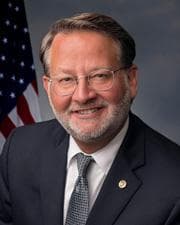
Gary C. Peters
Democratic Senator
Michigan
Cosponsors (1)
Homeland Security and Governmental Affairs Committee
- Introduced
- In Committee
- On Floor
- Passed Chamber
- Enacted
The BIOSECURE Act of 2025 aims to safeguard national security by prohibiting executive agencies from engaging with certain biotechnology providers. Specifically, it forbids agencies from directly procuring or obtaining biotechnology equipment or services from a designated 'biotechnology company of concern.' Furthermore, agencies are prohibited from entering into, extending, or renewing contracts with any entity that uses such equipment or services acquired after specified effective dates, or that knows its contract performance will require their use. The bill also extends these prohibitions to the use of federal loan or grant funds, preventing recipients from using these funds to procure or contract with identified biotechnology companies. The Director of the Office of Management and Budget (OMB), in coordination with several other agency heads, is tasked with publishing a list of these 'biotechnology companies of concern.' These companies include those on the Department of Defense's list of Chinese military companies operating in the U.S., or entities controlled by a foreign adversary that pose a national security risk, particularly concerning the acquisition of multiomic data without consent. Effective dates for these prohibitions vary based on the type of biotechnology company, taking effect 60 or 90 days after the Federal Acquisition Regulation (FAR) is revised. The bill includes provisions for case-by-case waivers, approved by the OMB Director, for specific biotechnology needs or overseas healthcare services. Key exceptions include authorized intelligence activities, certain overseas healthcare provisions for U.S. personnel, the acquisition of lawfully compiled, commercially available human multiomic data, and procurement of medical countermeasures during public health emergencies. To ensure ongoing vigilance, the Director of National Intelligence is mandated to assess national security risks posed by foreign adversary acquisition of American multiomic data and report findings to Congress. Additionally, an annual report on intelligence related to nefarious activities by biotechnology companies involving human multiomic data is required. The OMB Director will periodically review and update the list of biotechnology companies of concern, with a process for companies to challenge their designation.
View Full TextSuggested Questions
Get AI-generated questions to help you understand this bill better
Timeline
Introduced in Senate
Read twice and referred to the Committee on Homeland Security and Governmental Affairs.
Health
BIOSECURE Act of 2025
USA119th CongressS-3469| Senate
| Updated: 12/11/2025
The BIOSECURE Act of 2025 aims to safeguard national security by prohibiting executive agencies from engaging with certain biotechnology providers. Specifically, it forbids agencies from directly procuring or obtaining biotechnology equipment or services from a designated 'biotechnology company of concern.' Furthermore, agencies are prohibited from entering into, extending, or renewing contracts with any entity that uses such equipment or services acquired after specified effective dates, or that knows its contract performance will require their use. The bill also extends these prohibitions to the use of federal loan or grant funds, preventing recipients from using these funds to procure or contract with identified biotechnology companies. The Director of the Office of Management and Budget (OMB), in coordination with several other agency heads, is tasked with publishing a list of these 'biotechnology companies of concern.' These companies include those on the Department of Defense's list of Chinese military companies operating in the U.S., or entities controlled by a foreign adversary that pose a national security risk, particularly concerning the acquisition of multiomic data without consent. Effective dates for these prohibitions vary based on the type of biotechnology company, taking effect 60 or 90 days after the Federal Acquisition Regulation (FAR) is revised. The bill includes provisions for case-by-case waivers, approved by the OMB Director, for specific biotechnology needs or overseas healthcare services. Key exceptions include authorized intelligence activities, certain overseas healthcare provisions for U.S. personnel, the acquisition of lawfully compiled, commercially available human multiomic data, and procurement of medical countermeasures during public health emergencies. To ensure ongoing vigilance, the Director of National Intelligence is mandated to assess national security risks posed by foreign adversary acquisition of American multiomic data and report findings to Congress. Additionally, an annual report on intelligence related to nefarious activities by biotechnology companies involving human multiomic data is required. The OMB Director will periodically review and update the list of biotechnology companies of concern, with a process for companies to challenge their designation.
View Full TextSuggested Questions
Get AI-generated questions to help you understand this bill better
Timeline
Introduced in Senate
Read twice and referred to the Committee on Homeland Security and Governmental Affairs.
Gary C. Peters
Democratic Senator
Michigan
Cosponsors (1)
Homeland Security and Governmental Affairs Committee
Health
- Introduced
- In Committee
- On Floor
- Passed Chamber
- Enacted