Zero Food Waste Act
USA119th CongressS-3443| Senate
| Updated: 12/11/2025
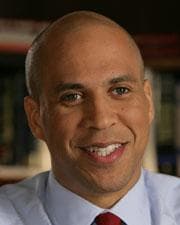
Cory A. Booker
Democratic Senator
New Jersey
Environment and Public Works Committee
- Introduced
- In Committee
- On Floor
- Passed Chamber
- Enacted
The "Zero Food Waste Act" establishes a program within the Environmental Protection Agency to award competitive grants aimed at significantly reducing food waste. The program's core purpose is to help achieve a 50 percent reduction in food waste by 2035 , relative to 2015 quantities. Eligible entities for these grants include State, local, territorial, and Tribal governments, as well as nonprofit organizations and partnerships thereof. The bill broadly defines "food waste reduction activity" to encompass methods like prevention, rescue, upcycling, and recycling, which divert food waste from landfills or incineration. Grants are available for three main categories: conducting studies on food waste generation and management planning, collecting data and publishing reports on food waste quantities, and implementing food waste reduction projects . These projects can involve carrying out reduction activities, establishing differential pricing to disincentivize disposal, providing technical assistance, or implementing restrictions on food waste disposal. The Administrator will prioritize awarding grants to diverse locations and uses, particularly to entities with existing reduction programs or demonstrated infrastructure needs, and to projects benefiting communities disproportionately affected by environmental hazards. For any grant awarded for anaerobic digestion projects , specific requirements apply, including a plan for end-product recycling as a soil amendment without creating environmental hazards, and limitations on animal waste feedstock. All grant recipients must submit reports on the effectiveness of their projects. The Administrator is also required to submit an annual report to Congress detailing the program's progress towards the 2035 food waste reduction goal. To fund these initiatives, the bill authorizes an appropriation of $650,000,000 annually for fiscal years 2026 through 2035.
Suggested Questions
Get AI-generated questions to help you understand this bill better
Timeline
Introduced in Senate
Read twice and referred to the Committee on Environment and Public Works.
Environmental Protection
Zero Food Waste Act
USA119th CongressS-3443| Senate
| Updated: 12/11/2025
The "Zero Food Waste Act" establishes a program within the Environmental Protection Agency to award competitive grants aimed at significantly reducing food waste. The program's core purpose is to help achieve a 50 percent reduction in food waste by 2035 , relative to 2015 quantities. Eligible entities for these grants include State, local, territorial, and Tribal governments, as well as nonprofit organizations and partnerships thereof. The bill broadly defines "food waste reduction activity" to encompass methods like prevention, rescue, upcycling, and recycling, which divert food waste from landfills or incineration. Grants are available for three main categories: conducting studies on food waste generation and management planning, collecting data and publishing reports on food waste quantities, and implementing food waste reduction projects . These projects can involve carrying out reduction activities, establishing differential pricing to disincentivize disposal, providing technical assistance, or implementing restrictions on food waste disposal. The Administrator will prioritize awarding grants to diverse locations and uses, particularly to entities with existing reduction programs or demonstrated infrastructure needs, and to projects benefiting communities disproportionately affected by environmental hazards. For any grant awarded for anaerobic digestion projects , specific requirements apply, including a plan for end-product recycling as a soil amendment without creating environmental hazards, and limitations on animal waste feedstock. All grant recipients must submit reports on the effectiveness of their projects. The Administrator is also required to submit an annual report to Congress detailing the program's progress towards the 2035 food waste reduction goal. To fund these initiatives, the bill authorizes an appropriation of $650,000,000 annually for fiscal years 2026 through 2035.
Suggested Questions
Get AI-generated questions to help you understand this bill better
Timeline
Introduced in Senate
Read twice and referred to the Committee on Environment and Public Works.
Cory A. Booker
Democratic Senator
New Jersey
Environment and Public Works Committee
Environmental Protection
Related Bills
- Introduced
- In Committee
- On Floor
- Passed Chamber
- Enacted