Zero Food Waste Act
USA119th CongressHR-6684| House
| Updated: 12/12/2025
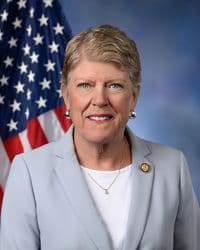
Julia Brownley
Democratic Representative
California
Cosponsors (4)
Energy and Commerce Committee
- Introduced
- In Committee
- On Floor
- Passed Chamber
- Enacted
This legislation establishes a competitive grant program through the Environmental Protection Agency (EPA) to significantly reduce food waste across the United States. The program's primary goal is to achieve a 50 percent reduction in food waste by 2035 , using 2015 levels as a baseline, thereby addressing the environmental and economic impacts of waste. Grants will be awarded to eligible entities , including state, local, territorial, and Tribal governments, as well as nonprofit organizations and partnerships. Funds can support various activities such as conducting studies on food waste generation, collecting and reporting data, and implementing diverse food waste reduction projects . These projects encompass prevention, rescue, upcycling, recycling, and policy initiatives like differential pricing for waste disposal or restrictions on landfilling and incineration. The EPA will prioritize grant awards for diverse locations and uses, focusing on entities already implementing reduction programs or needing infrastructure investment. Special consideration will be given to projects in communities disproportionately affected by adverse environmental effects. The bill authorizes $650,000,000 for each fiscal year from 2026 through 2035 to fund these grants, with recipients and the Administrator required to report on program effectiveness and progress.
Suggested Questions
Get AI-generated questions to help you understand this bill better
Timeline
Introduced in House
Referred to the House Committee on Energy and Commerce.
Environmental Protection
Zero Food Waste Act
USA119th CongressHR-6684| House
| Updated: 12/12/2025
This legislation establishes a competitive grant program through the Environmental Protection Agency (EPA) to significantly reduce food waste across the United States. The program's primary goal is to achieve a 50 percent reduction in food waste by 2035 , using 2015 levels as a baseline, thereby addressing the environmental and economic impacts of waste. Grants will be awarded to eligible entities , including state, local, territorial, and Tribal governments, as well as nonprofit organizations and partnerships. Funds can support various activities such as conducting studies on food waste generation, collecting and reporting data, and implementing diverse food waste reduction projects . These projects encompass prevention, rescue, upcycling, recycling, and policy initiatives like differential pricing for waste disposal or restrictions on landfilling and incineration. The EPA will prioritize grant awards for diverse locations and uses, focusing on entities already implementing reduction programs or needing infrastructure investment. Special consideration will be given to projects in communities disproportionately affected by adverse environmental effects. The bill authorizes $650,000,000 for each fiscal year from 2026 through 2035 to fund these grants, with recipients and the Administrator required to report on program effectiveness and progress.
Suggested Questions
Get AI-generated questions to help you understand this bill better
Timeline
Introduced in House
Referred to the House Committee on Energy and Commerce.
Julia Brownley
Democratic Representative
California
Cosponsors (4)
Energy and Commerce Committee
Environmental Protection
Related Bills
- Introduced
- In Committee
- On Floor
- Passed Chamber
- Enacted