Back the Blue Act of 2025
USA119th CongressS-3366| Senate
| Updated: 12/4/2025
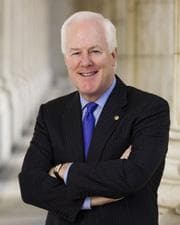
John Cornyn
Republican Senator
Texas
Cosponsors (38)
Joni Ernst (Republican)Tommy Tuberville (Republican)Rick Scott (Republican)Bill Cassidy (Republican)Roger Marshall (Republican)Markwayne Mullin (Republican)Dan Sullivan (Republican)Katie Boyd Britt (Republican)Thomas Tillis (Republican)Jim Banks (Republican)Cindy Hyde-Smith (Republican)Mike Lee (Republican)James E. Risch (Republican)Cynthia M. Lummis (Republican)Marsha Blackburn (Republican)Todd Young (Republican)Ashley Moody (Republican)Lindsey Graham (Republican)John Boozman (Republican)Tim Sheehy (Republican)Mike Rounds (Republican)Ted Cruz (Republican)Tim Scott (Republican)Kevin Cramer (Republican)James Lankford (Republican)James C. Justice (Republican)John Kennedy (Republican)Deb Fischer (Republican)Bill Hagerty (Republican)John Barrasso (Republican)David McCormick (Republican)Chuck Grassley (Republican)Pete Ricketts (Republican)Steve Daines (Republican)John Hoeven (Republican)Ted Budd (Republican)Mike Crapo (Republican)Shelley Moore Capito (Republican)
Judiciary Committee
- Introduced
- In Committee
- On Floor
- Passed Chamber
- Enacted
This bill aims to bolster protections for law enforcement officers, judges, and other public safety personnel by establishing new federal offenses and increasing penalties for crimes committed against them. It defines "federally funded public safety officer" broadly to include state and local law enforcement, firefighters, and judicial officers whose agencies receive federal financial assistance. This expansion of federal jurisdiction covers a wide range of individuals serving the public. Specifically, the bill creates a new federal crime for killing, attempting to kill, or conspiring to kill a United States judge, Federal law enforcement officer, or federally funded public safety officer, with penalties ranging from 10 years to life imprisonment, or death if death results. It also establishes a federal offense for assaulting federally funded state or local law enforcement officers, with penalties escalating based on the severity of injury or use of a deadly weapon. Federal prosecution for assault requires certification from the Attorney General, typically when state jurisdiction is lacking or federal intervention is deemed necessary for justice. To prevent evasion of justice, the bill introduces a new federal offense for flight to avoid prosecution for killing or attempting to kill these protected individuals. Furthermore, it designates the killing or attempted killing of a law enforcement officer, prosecutor, judge, or first responder as a specific aggravating factor for the application of the federal death penalty. These provisions aim to ensure severe consequences for attacks on those who uphold the law. The legislation also seeks to streamline legal processes by limiting federal habeas corpus relief for individuals convicted in state courts of killing a public safety officer or judge. It imposes stricter time limitations and restricts federal courts from reviewing sentencing claims already adjudicated at the state level in such cases. This measure is intended to reduce delays and provide greater finality in these specific legal proceedings. Additionally, the bill amends civil rights law (42 U.S.C. 1983) to limit damages and attorney's fees recoverable by individuals who incurred deprivation during or related to conduct that constituted a felony or crime of violence. Such individuals would only be eligible for out-of-pocket expenses, not general damages or attorney's fees. This provision aims to prevent individuals who commit serious crimes from profiting from civil lawsuits related to their apprehension or prosecution. Finally, the Act expands self-defense rights for law enforcement officers by explicitly authorizing sworn federal, state, and local officers to carry firearms, including in federal facilities and school zones. It clarifies that "firearm" includes magazines for concealed carry purposes for qualified active and retired officers. The Attorney General is mandated to issue regulations to implement these expanded firearm carrying authorities, enhancing officers' ability to protect themselves and others.
Suggested Questions
Get AI-generated questions to help you understand this bill better
Timeline
Introduced in Senate
Read twice and referred to the Committee on the Judiciary.
Crime and Law Enforcement
Back the Blue Act of 2025
USA119th CongressS-3366| Senate
| Updated: 12/4/2025
This bill aims to bolster protections for law enforcement officers, judges, and other public safety personnel by establishing new federal offenses and increasing penalties for crimes committed against them. It defines "federally funded public safety officer" broadly to include state and local law enforcement, firefighters, and judicial officers whose agencies receive federal financial assistance. This expansion of federal jurisdiction covers a wide range of individuals serving the public. Specifically, the bill creates a new federal crime for killing, attempting to kill, or conspiring to kill a United States judge, Federal law enforcement officer, or federally funded public safety officer, with penalties ranging from 10 years to life imprisonment, or death if death results. It also establishes a federal offense for assaulting federally funded state or local law enforcement officers, with penalties escalating based on the severity of injury or use of a deadly weapon. Federal prosecution for assault requires certification from the Attorney General, typically when state jurisdiction is lacking or federal intervention is deemed necessary for justice. To prevent evasion of justice, the bill introduces a new federal offense for flight to avoid prosecution for killing or attempting to kill these protected individuals. Furthermore, it designates the killing or attempted killing of a law enforcement officer, prosecutor, judge, or first responder as a specific aggravating factor for the application of the federal death penalty. These provisions aim to ensure severe consequences for attacks on those who uphold the law. The legislation also seeks to streamline legal processes by limiting federal habeas corpus relief for individuals convicted in state courts of killing a public safety officer or judge. It imposes stricter time limitations and restricts federal courts from reviewing sentencing claims already adjudicated at the state level in such cases. This measure is intended to reduce delays and provide greater finality in these specific legal proceedings. Additionally, the bill amends civil rights law (42 U.S.C. 1983) to limit damages and attorney's fees recoverable by individuals who incurred deprivation during or related to conduct that constituted a felony or crime of violence. Such individuals would only be eligible for out-of-pocket expenses, not general damages or attorney's fees. This provision aims to prevent individuals who commit serious crimes from profiting from civil lawsuits related to their apprehension or prosecution. Finally, the Act expands self-defense rights for law enforcement officers by explicitly authorizing sworn federal, state, and local officers to carry firearms, including in federal facilities and school zones. It clarifies that "firearm" includes magazines for concealed carry purposes for qualified active and retired officers. The Attorney General is mandated to issue regulations to implement these expanded firearm carrying authorities, enhancing officers' ability to protect themselves and others.
Suggested Questions
Get AI-generated questions to help you understand this bill better
Timeline
Introduced in Senate
Read twice and referred to the Committee on the Judiciary.
John Cornyn
Republican Senator
Texas
Cosponsors (38)
Joni Ernst (Republican)Tommy Tuberville (Republican)Rick Scott (Republican)Bill Cassidy (Republican)Roger Marshall (Republican)Markwayne Mullin (Republican)Dan Sullivan (Republican)Katie Boyd Britt (Republican)Thomas Tillis (Republican)Jim Banks (Republican)Cindy Hyde-Smith (Republican)Mike Lee (Republican)James E. Risch (Republican)Cynthia M. Lummis (Republican)Marsha Blackburn (Republican)Todd Young (Republican)Ashley Moody (Republican)Lindsey Graham (Republican)John Boozman (Republican)Tim Sheehy (Republican)Mike Rounds (Republican)Ted Cruz (Republican)Tim Scott (Republican)Kevin Cramer (Republican)James Lankford (Republican)James C. Justice (Republican)John Kennedy (Republican)Deb Fischer (Republican)Bill Hagerty (Republican)John Barrasso (Republican)David McCormick (Republican)Chuck Grassley (Republican)Pete Ricketts (Republican)Steve Daines (Republican)John Hoeven (Republican)Ted Budd (Republican)Mike Crapo (Republican)Shelley Moore Capito (Republican)
Judiciary Committee
Crime and Law Enforcement
Related Bills
- Introduced
- In Committee
- On Floor
- Passed Chamber
- Enacted