Holocaust Education and Antisemitism Lessons Act
USA119th CongressS-332| Senate
| Updated: 7/23/2026
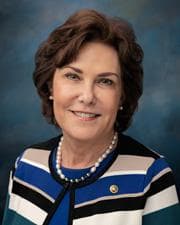
Jacky Rosen
Democratic Senator
Nevada
Cosponsors (6)
Energy and Natural Resources Committee, National Parks Subcommittee
- Introduced
- In Committee
- On Floor
- Passed Chamber
- Enacted
This bill requires the Director of the United States Holocaust Memorial Museum to conduct a comprehensive study on Holocaust education efforts across states, local educational agencies, and public elementary and secondary schools. The study will begin within 180 days of enactment and will examine whether Holocaust education is required or optional within school curricula. It will also identify existing standards, implementation challenges, and the resources needed to support educators in teaching about the Holocaust. Key elements of the study include determining the intended learning outcomes of Holocaust education units and identifying effective teaching methods, such as project-based learning and trauma-informed approaches . The study will also assess the types of instructional materials used, the disciplines in which the Holocaust is taught, and the comprehensiveness of the curriculum in addressing all aspects of the Holocaust and antisemitism. Following the study's completion, the Director must submit a detailed report of the findings and recommendations to Congress within a specified timeframe.
Suggested Questions
Get AI-generated questions to help you understand this bill better
Timeline
Introduced in Senate
Read twice and referred to the Committee on Energy and Natural Resources.
Committee on Energy and Natural Resources Subcommittee on National Parks. Hearings held.
Committee on Energy and Natural Resources Subcommittee on National Parks. Hearings held. With printed Hearing: S.Hrg. 119-238.
Committee on Energy and Natural Resources. Ordered to be reported without amendment favorably.
Committee on Energy and Natural Resources. Reported by Senator Lee without amendment. Without written report.
Placed on Senate Legislative Calendar under General Orders. Calendar No. 470.
Education
Congressional oversightElementary and secondary educationGovernment studies and investigationsHistorical and cultural resourcesMuseums, exhibitions, cultural centersReligionTeaching, teachers, curriculaWar crimes, genocide, crimes against humanityWorld history
Holocaust Education and Antisemitism Lessons Act
USA119th CongressS-332| Senate
| Updated: 7/23/2026
This bill requires the Director of the United States Holocaust Memorial Museum to conduct a comprehensive study on Holocaust education efforts across states, local educational agencies, and public elementary and secondary schools. The study will begin within 180 days of enactment and will examine whether Holocaust education is required or optional within school curricula. It will also identify existing standards, implementation challenges, and the resources needed to support educators in teaching about the Holocaust. Key elements of the study include determining the intended learning outcomes of Holocaust education units and identifying effective teaching methods, such as project-based learning and trauma-informed approaches . The study will also assess the types of instructional materials used, the disciplines in which the Holocaust is taught, and the comprehensiveness of the curriculum in addressing all aspects of the Holocaust and antisemitism. Following the study's completion, the Director must submit a detailed report of the findings and recommendations to Congress within a specified timeframe.
Suggested Questions
Get AI-generated questions to help you understand this bill better
Timeline
Introduced in Senate
Read twice and referred to the Committee on Energy and Natural Resources.
Committee on Energy and Natural Resources Subcommittee on National Parks. Hearings held.
Committee on Energy and Natural Resources Subcommittee on National Parks. Hearings held. With printed Hearing: S.Hrg. 119-238.
Committee on Energy and Natural Resources. Ordered to be reported without amendment favorably.
Committee on Energy and Natural Resources. Reported by Senator Lee without amendment. Without written report.
Placed on Senate Legislative Calendar under General Orders. Calendar No. 470.
Jacky Rosen
Democratic Senator
Nevada
Cosponsors (6)
Energy and Natural Resources Committee, National Parks Subcommittee
Education
- Introduced
- In Committee
- On Floor
- Passed Chamber
- Enacted
Congressional oversightElementary and secondary educationGovernment studies and investigationsHistorical and cultural resourcesMuseums, exhibitions, cultural centersReligionTeaching, teachers, curriculaWar crimes, genocide, crimes against humanityWorld history