Legis Daily

SAFE Act

USA119th CongressS-3141| Senate 
| Updated: 11/6/2025
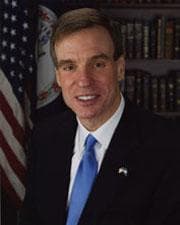
Mark R. Warner

Mark R. Warner

Democratic Senator

Virginia

Cosponsors (10)
Mazie K. Hirono (Democratic)Angela D. Alsobrooks (Democratic)Tammy Duckworth (Democratic)Charles E. Schumer (Democratic)Kirsten E. Gillibrand (Democratic)Tim Kaine (Democratic)Chris Van Hollen (Democratic)Andy Kim (Democratic)Ron Wyden (Democratic)Richard Blumenthal (Democratic)

Homeland Security and Governmental Affairs Committee

  • Introduced
  • In Committee
  • On Floor
  • Passed Chamber
  • Enacted
This bill establishes a prohibition against Executive agencies from implementing a reduction in force (RIF) or any similar effort to reduce employee numbers during a period when there is a lapse in appropriations , commonly known as a government shutdown. It explicitly states that no funds made available by any Act may be used to propose, initiate, or execute such actions during these periods. Furthermore, the legislation stipulates that any RIF or similar effort carried out in violation of this prohibition, including those occurring between October 1, 2025, and the bill's enactment date, shall have no force or effect . This provision provides a retroactive remedy for affected federal employees. The bill clarifies that it does not impact voluntary separation payments offered to employees and takes effect as if enacted on September 30, 2025.
View Full Text

Suggested Questions

Get AI-generated questions to help you understand this bill better

Timeline

Bill from Previous Congress

S 116-2053
SAFE Act

Bill from Previous Congress

S 116-4123
SAFE Act of 2020

Bill from Previous Congress

S 116-2238
SAFE Act

Bill from Previous Congress

S 116-1945
SAFE Act

Bill from Previous Congress

S 116-627
SAFE Act of 2019

Bill from Previous Congress

S 116-1482
SAFE Act

Bill from Previous Congress

S 117-4731
SAFE Act

Bill from Previous Congress

S 117-3926
SAFE Act

Bill from Previous Congress

S 117-1406
SAFE Act of 2021

Bill from Previous Congress

S 117-1420
SAFE Act

Bill from Previous Congress

S 118-4752
SAFE Act

Bill from Previous Congress

S 118-4478
SAFE Act

Bill from Previous Congress

S 118-3961
SAFE Act

Bill from Previous Congress

S 118-2037
SAFE Act of 2023

Bill from Previous Congress

S 118-901
SAFE Act of 2023

Bill from Previous Congress

S 118-854
SAFE Act

Bill from Previous Congress

S 118-436
SAFE Act
Feb 5, 2025

Latest Companion Bill Action

HR 119-990
Introduced in House
Nov 6, 2025
Introduced in Senate
Nov 6, 2025
Read twice and referred to the Committee on Homeland Security and Governmental Affairs.
  • Bill from Previous Congress

    S 116-2053
    SAFE Act


  • Bill from Previous Congress

    S 116-4123
    SAFE Act of 2020


  • Bill from Previous Congress

    S 116-2238
    SAFE Act


  • Bill from Previous Congress

    S 116-1945
    SAFE Act


  • Bill from Previous Congress

    S 116-627
    SAFE Act of 2019


  • Bill from Previous Congress

    S 116-1482
    SAFE Act


  • Bill from Previous Congress

    S 117-4731
    SAFE Act


  • Bill from Previous Congress

    S 117-3926
    SAFE Act


  • Bill from Previous Congress

    S 117-1406
    SAFE Act of 2021


  • Bill from Previous Congress

    S 117-1420
    SAFE Act


  • Bill from Previous Congress

    S 118-4752
    SAFE Act


  • Bill from Previous Congress

    S 118-4478
    SAFE Act


  • Bill from Previous Congress

    S 118-3961
    SAFE Act


  • Bill from Previous Congress

    S 118-2037
    SAFE Act of 2023


  • Bill from Previous Congress

    S 118-901
    SAFE Act of 2023


  • Bill from Previous Congress

    S 118-854
    SAFE Act


  • Bill from Previous Congress

    S 118-436
    SAFE Act


  • February 5, 2025

    Latest Companion Bill Action

    HR 119-990
    Introduced in House


  • November 6, 2025
    Introduced in Senate


  • November 6, 2025
    Read twice and referred to the Committee on Homeland Security and Governmental Affairs.

Government Operations and Politics

SAFE Act

USA119th CongressS-3141| Senate 
| Updated: 11/6/2025
This bill establishes a prohibition against Executive agencies from implementing a reduction in force (RIF) or any similar effort to reduce employee numbers during a period when there is a lapse in appropriations , commonly known as a government shutdown. It explicitly states that no funds made available by any Act may be used to propose, initiate, or execute such actions during these periods. Furthermore, the legislation stipulates that any RIF or similar effort carried out in violation of this prohibition, including those occurring between October 1, 2025, and the bill's enactment date, shall have no force or effect . This provision provides a retroactive remedy for affected federal employees. The bill clarifies that it does not impact voluntary separation payments offered to employees and takes effect as if enacted on September 30, 2025.
View Full Text

Suggested Questions

Get AI-generated questions to help you understand this bill better

Timeline

Bill from Previous Congress

S 116-2053
SAFE Act

Bill from Previous Congress

S 116-4123
SAFE Act of 2020

Bill from Previous Congress

S 116-2238
SAFE Act

Bill from Previous Congress

S 116-1945
SAFE Act

Bill from Previous Congress

S 116-627
SAFE Act of 2019

Bill from Previous Congress

S 116-1482
SAFE Act

Bill from Previous Congress

S 117-4731
SAFE Act

Bill from Previous Congress

S 117-3926
SAFE Act

Bill from Previous Congress

S 117-1406
SAFE Act of 2021

Bill from Previous Congress

S 117-1420
SAFE Act

Bill from Previous Congress

S 118-4752
SAFE Act

Bill from Previous Congress

S 118-4478
SAFE Act

Bill from Previous Congress

S 118-3961
SAFE Act

Bill from Previous Congress

S 118-2037
SAFE Act of 2023

Bill from Previous Congress

S 118-901
SAFE Act of 2023

Bill from Previous Congress

S 118-854
SAFE Act

Bill from Previous Congress

S 118-436
SAFE Act
Feb 5, 2025

Latest Companion Bill Action

HR 119-990
Introduced in House
Nov 6, 2025
Introduced in Senate
Nov 6, 2025
Read twice and referred to the Committee on Homeland Security and Governmental Affairs.
  • Bill from Previous Congress

    S 116-2053
    SAFE Act


  • Bill from Previous Congress

    S 116-4123
    SAFE Act of 2020


  • Bill from Previous Congress

    S 116-2238
    SAFE Act


  • Bill from Previous Congress

    S 116-1945
    SAFE Act


  • Bill from Previous Congress

    S 116-627
    SAFE Act of 2019


  • Bill from Previous Congress

    S 116-1482
    SAFE Act


  • Bill from Previous Congress

    S 117-4731
    SAFE Act


  • Bill from Previous Congress

    S 117-3926
    SAFE Act


  • Bill from Previous Congress

    S 117-1406
    SAFE Act of 2021


  • Bill from Previous Congress

    S 117-1420
    SAFE Act


  • Bill from Previous Congress

    S 118-4752
    SAFE Act


  • Bill from Previous Congress

    S 118-4478
    SAFE Act


  • Bill from Previous Congress

    S 118-3961
    SAFE Act


  • Bill from Previous Congress

    S 118-2037
    SAFE Act of 2023


  • Bill from Previous Congress

    S 118-901
    SAFE Act of 2023


  • Bill from Previous Congress

    S 118-854
    SAFE Act


  • Bill from Previous Congress

    S 118-436
    SAFE Act


  • February 5, 2025

    Latest Companion Bill Action

    HR 119-990
    Introduced in House


  • November 6, 2025
    Introduced in Senate


  • November 6, 2025
    Read twice and referred to the Committee on Homeland Security and Governmental Affairs.
Mark R. Warner

Mark R. Warner

Democratic Senator

Virginia

Cosponsors (10)
Mazie K. Hirono (Democratic)Angela D. Alsobrooks (Democratic)Tammy Duckworth (Democratic)Charles E. Schumer (Democratic)Kirsten E. Gillibrand (Democratic)Tim Kaine (Democratic)Chris Van Hollen (Democratic)Andy Kim (Democratic)Ron Wyden (Democratic)Richard Blumenthal (Democratic)

Homeland Security and Governmental Affairs Committee

Government Operations and Politics

  • Introduced
  • In Committee
  • On Floor
  • Passed Chamber
  • Enacted