SAFE Act
USA116th CongressS-2053| Senate
| Updated: 6/28/2019
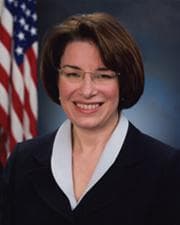
Amy Klobuchar
Democratic Senator
Minnesota
Rules and Administration Committee
- Introduced
- In Committee
- On Floor
- Passed Chamber
- Enacted
Securing America's Federal Elections Act or the SAFE Act This bill addresses election security through grant programs and requirements for voting systems and paper ballots. The bill establishes requirements for voting systems, including that systems (1) use individual, durable, voter-verified paper ballots; (2) make a voter's marked ballot available for inspection and verification by the voter before the vote is cast; (3) ensure that individuals with disabilities are given an equivalent opportunity to vote, including with privacy and independence, in a manner that produces a voter-verified paper ballot; (4) be manufactured in the United States; and (5) meet specified cybersecurity requirements, including the prohibition of the connection of a voting system to the internet. The National Science Foundation must award grants to study, test, and develop accessible voter-verified paper ballot voting and best practices to enhance the accessibility of such voting for individuals with disabilities, for voters whose primary language is not English, and for voters with difficulties in literacy. The Election Assistance Commission (EAC) must award grants to states to replace certain voting systems, carry out voting system security improvements, and implement and model best practices for ballot design, ballot instructions, and the testing of ballots. States must carry out postelection risk-limiting audits for all federal elections, funded by the EAC. States may use elections requirements payments from the EAC to carry out activities related to election security. The EAC must provide for the testing of voting system hardware and software and decertify such technology that does not meet guidelines.
View Full TextSuggested Questions
Get AI-generated questions to help you understand this bill better
Timeline
Introduced in Senate
Read twice and referred to the Committee on Rules and Administration.
Government Operations and Politics
Accounting and auditingAdult education and literacyAdvisory bodiesBuy American requirementsComputer security and identity theftCongressional electionsCongressional oversightDisability and paralysisElections, voting, political campaign regulationForeign language and bilingual programsGovernment ethics and transparency, public corruptionGovernment information and archivesGovernment studies and investigationsHearing, speech, and vision careInternet and video servicesInternet, web applications, social mediaManufacturingPublic contracts and procurementResearch administration and fundingResearch and developmentRight of privacyState and local government operationsTechnology assessmentTelephone and wireless communicationVoting rights
SAFE Act
USA116th CongressS-2053| Senate
| Updated: 6/28/2019
Securing America's Federal Elections Act or the SAFE Act This bill addresses election security through grant programs and requirements for voting systems and paper ballots. The bill establishes requirements for voting systems, including that systems (1) use individual, durable, voter-verified paper ballots; (2) make a voter's marked ballot available for inspection and verification by the voter before the vote is cast; (3) ensure that individuals with disabilities are given an equivalent opportunity to vote, including with privacy and independence, in a manner that produces a voter-verified paper ballot; (4) be manufactured in the United States; and (5) meet specified cybersecurity requirements, including the prohibition of the connection of a voting system to the internet. The National Science Foundation must award grants to study, test, and develop accessible voter-verified paper ballot voting and best practices to enhance the accessibility of such voting for individuals with disabilities, for voters whose primary language is not English, and for voters with difficulties in literacy. The Election Assistance Commission (EAC) must award grants to states to replace certain voting systems, carry out voting system security improvements, and implement and model best practices for ballot design, ballot instructions, and the testing of ballots. States must carry out postelection risk-limiting audits for all federal elections, funded by the EAC. States may use elections requirements payments from the EAC to carry out activities related to election security. The EAC must provide for the testing of voting system hardware and software and decertify such technology that does not meet guidelines.
View Full TextSuggested Questions
Get AI-generated questions to help you understand this bill better
Timeline
Introduced in Senate
Read twice and referred to the Committee on Rules and Administration.
Amy Klobuchar
Democratic Senator
Minnesota
Rules and Administration Committee
Government Operations and Politics
Related Bills
- Introduced
- In Committee
- On Floor
- Passed Chamber
- Enacted
Accounting and auditingAdult education and literacyAdvisory bodiesBuy American requirementsComputer security and identity theftCongressional electionsCongressional oversightDisability and paralysisElections, voting, political campaign regulationForeign language and bilingual programsGovernment ethics and transparency, public corruptionGovernment information and archivesGovernment studies and investigationsHearing, speech, and vision careInternet and video servicesInternet, web applications, social mediaManufacturingPublic contracts and procurementResearch administration and fundingResearch and developmentRight of privacyState and local government operationsTechnology assessmentTelephone and wireless communicationVoting rights