Head Start for America's Children Act
USA119th CongressS-2819| Senate
| Updated: 9/16/2025
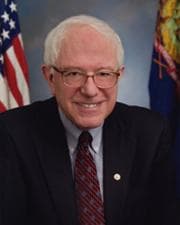
Bernard Sanders
Independent Senator
Vermont
Cosponsors (16)
Mazie K. Hirono (Democratic)Adam B. Schiff (Democratic)Edward J. Markey (Democratic)Kirsten E. Gillibrand (Democratic)Elizabeth Warren (Democratic)Ben Ray Luján (Democratic)Alex Padilla (Democratic)Tim Kaine (Democratic)Chris Van Hollen (Democratic)John Fetterman (Democratic)Tina Smith (Democratic)Andy Kim (Democratic)Peter Welch (Democratic)Jeff Merkley (Democratic)Ron Wyden (Democratic)Richard Blumenthal (Democratic)
Health, Education, Labor, and Pensions Committee
- Introduced
- In Committee
- On Floor
- Passed Chamber
- Enacted
The "Head Start for America's Children Act" proposes comprehensive amendments to the Head Start Act, aiming to enhance the growth and development of infants, toddlers, and children, with a particular focus on mental health and educational readiness. It redefines key terms such as "full calendar year" to mean a minimum of 1,380 hours of service and updates terminology from "limited English proficient" to "developing English proficiency." The bill also introduces new definitions for various types of restraints, assistive technology, and clarifies terms related to Native American and Native Hawaiian entities. A major provision is the authorization of substantial appropriations, including $144.872 billion for fiscal year 2026, with annual adjustments based on the Consumer Price Index. Additional funds are allocated for specific projects such as improving facilities, providing age-appropriate transportation, funding workforce grants, supporting community eligibility pilot programs, fostering higher education partnerships, and enabling extended operation grants. The bill mandates the Secretary of Health and Human Services to maintain at least 10 regional offices and 2 program offices (one for Native American and one for migrant/seasonal programs) to provide technical assistance, ensure compliance with performance standards, and address staff recruitment and retention challenges. It also reserves specific funds for these regional and program offices. Significant changes are proposed for Head Start staff compensation, requiring wages that are not less than the higher of parity with elementary school educators or a minimum annual base salary of $60,000 for FY2026, adjusted annually. Agencies must establish salary scales that increase with qualifications and experience, provide competitive benefits, and facilitate access to affordable healthcare and child care. New "Rebuilding the Head Start Workforce Grants" are authorized to address staffing needs, with priority given to underserved populations. A new section is dedicated to mental health , requiring Head Start agencies to support the mental health and well-being of staff, parents, and children through screenings, consultations, and teacher training. Native American Head Start agencies are exempt from these specific requirements but must establish linguistically and culturally responsive mental health practices. The bill also emphasizes support for children with disabilities, coordinating with existing federal programs like IDEA and Section 504 of the Rehabilitation Act. By September 30, 2027, most center-based Head Start agencies will be required to provide services on a full calendar year schedule , with exemptions for agencies demonstrating significant enrollment reductions or if such a schedule does not meet community needs. Migrant and seasonal, and Native American Head Start agencies are explicitly exempt from this requirement. The bill also introduces a Native American Child Outcomes Framework to preserve languages and cultures. New pilot programs include a Community Eligibility Pilot Program , allowing up to 10 agencies in high-poverty communities to enroll all children regardless of traditional eligibility criteria. Another initiative establishes Head Start Agencies and Institutions of Higher Education Partnerships to support on-campus programs for student parents, prioritizing minority-serving institutions. Additionally, Head Start and Child Care Partnerships are authorized to improve the quality of child care providers to meet Head Start performance standards. The legislation expands research, demonstration, and evaluation activities, including studies on workforce retention, discipline practices, and the impact of program re-competition. It mandates detailed reporting on discipline practices, requiring disaggregated data on suspensions, dismissals, and restraints, and calls for recommendations to reduce overuse of disciplinary measures. The bill also updates eligibility criteria for children, expanding categorical eligibility to include children in kinship care, those receiving various public assistance benefits, and children of Head Start staff, while allowing Native American and migrant/seasonal programs to establish specific selection criteria for children who would most benefit.
View Full TextSuggested Questions
Get AI-generated questions to help you understand this bill better
Timeline
Introduced in Senate
Read twice and referred to the Committee on Health, Education, Labor, and Pensions.
Education
Head Start for America's Children Act
USA119th CongressS-2819| Senate
| Updated: 9/16/2025
The "Head Start for America's Children Act" proposes comprehensive amendments to the Head Start Act, aiming to enhance the growth and development of infants, toddlers, and children, with a particular focus on mental health and educational readiness. It redefines key terms such as "full calendar year" to mean a minimum of 1,380 hours of service and updates terminology from "limited English proficient" to "developing English proficiency." The bill also introduces new definitions for various types of restraints, assistive technology, and clarifies terms related to Native American and Native Hawaiian entities. A major provision is the authorization of substantial appropriations, including $144.872 billion for fiscal year 2026, with annual adjustments based on the Consumer Price Index. Additional funds are allocated for specific projects such as improving facilities, providing age-appropriate transportation, funding workforce grants, supporting community eligibility pilot programs, fostering higher education partnerships, and enabling extended operation grants. The bill mandates the Secretary of Health and Human Services to maintain at least 10 regional offices and 2 program offices (one for Native American and one for migrant/seasonal programs) to provide technical assistance, ensure compliance with performance standards, and address staff recruitment and retention challenges. It also reserves specific funds for these regional and program offices. Significant changes are proposed for Head Start staff compensation, requiring wages that are not less than the higher of parity with elementary school educators or a minimum annual base salary of $60,000 for FY2026, adjusted annually. Agencies must establish salary scales that increase with qualifications and experience, provide competitive benefits, and facilitate access to affordable healthcare and child care. New "Rebuilding the Head Start Workforce Grants" are authorized to address staffing needs, with priority given to underserved populations. A new section is dedicated to mental health , requiring Head Start agencies to support the mental health and well-being of staff, parents, and children through screenings, consultations, and teacher training. Native American Head Start agencies are exempt from these specific requirements but must establish linguistically and culturally responsive mental health practices. The bill also emphasizes support for children with disabilities, coordinating with existing federal programs like IDEA and Section 504 of the Rehabilitation Act. By September 30, 2027, most center-based Head Start agencies will be required to provide services on a full calendar year schedule , with exemptions for agencies demonstrating significant enrollment reductions or if such a schedule does not meet community needs. Migrant and seasonal, and Native American Head Start agencies are explicitly exempt from this requirement. The bill also introduces a Native American Child Outcomes Framework to preserve languages and cultures. New pilot programs include a Community Eligibility Pilot Program , allowing up to 10 agencies in high-poverty communities to enroll all children regardless of traditional eligibility criteria. Another initiative establishes Head Start Agencies and Institutions of Higher Education Partnerships to support on-campus programs for student parents, prioritizing minority-serving institutions. Additionally, Head Start and Child Care Partnerships are authorized to improve the quality of child care providers to meet Head Start performance standards. The legislation expands research, demonstration, and evaluation activities, including studies on workforce retention, discipline practices, and the impact of program re-competition. It mandates detailed reporting on discipline practices, requiring disaggregated data on suspensions, dismissals, and restraints, and calls for recommendations to reduce overuse of disciplinary measures. The bill also updates eligibility criteria for children, expanding categorical eligibility to include children in kinship care, those receiving various public assistance benefits, and children of Head Start staff, while allowing Native American and migrant/seasonal programs to establish specific selection criteria for children who would most benefit.
View Full TextSuggested Questions
Get AI-generated questions to help you understand this bill better
Timeline
Introduced in Senate
Read twice and referred to the Committee on Health, Education, Labor, and Pensions.
Bernard Sanders
Independent Senator
Vermont
Cosponsors (16)
Mazie K. Hirono (Democratic)Adam B. Schiff (Democratic)Edward J. Markey (Democratic)Kirsten E. Gillibrand (Democratic)Elizabeth Warren (Democratic)Ben Ray Luján (Democratic)Alex Padilla (Democratic)Tim Kaine (Democratic)Chris Van Hollen (Democratic)John Fetterman (Democratic)Tina Smith (Democratic)Andy Kim (Democratic)Peter Welch (Democratic)Jeff Merkley (Democratic)Ron Wyden (Democratic)Richard Blumenthal (Democratic)
Health, Education, Labor, and Pensions Committee
Education
Related Bills
- Introduced
- In Committee
- On Floor
- Passed Chamber
- Enacted