Head Start for America’s Children Act
USA119th CongressHR-7637| House
| Updated: 2/20/2026
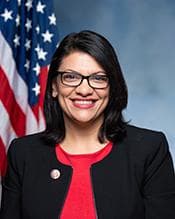
Rashida Tlaib
Democratic Representative
Michigan
Cosponsors (42)
Dwight Evans (Democratic)Yassamin Ansari (Democratic)Becca Balint (Democratic)John Garamendi (Democratic)Gilbert Ray Cisneros (Democratic)Mark Pocan (Democratic)Joyce Beatty (Democratic)Jennifer L. McClellan (Democratic)Ilhan Omar (Democratic)Frederica S. Wilson (Democratic)Maxine Dexter (Democratic)Maxwell Frost (Democratic)Debbie Dingell (Democratic)Sarah Elfreth (Democratic)Greg Casar (Democratic)Adriano Espaillat (Democratic)Danny K. Davis (Democratic)Ted Lieu (Democratic)André Carson (Democratic)Jill N. Tokuda (Democratic)Morgan McGarvey (Democratic)LaMonica McIver (Democratic)Adelita S. Grijalva (Democratic)Alma S. Adams (Democratic)Pramila Jayapal (Democratic)Eleanor Holmes Norton (Democratic)Val T. Hoyle (Democratic)Bonnie Watson Coleman (Democratic)Lateefah Simon (Democratic)Timothy M. Kennedy (Democratic)Salud O. Carbajal (Democratic)Summer L. Lee (Democratic)William R. Keating (Democratic)Yvette D. Clarke (Democratic)Deborah K. Ross (Democratic)Nanette Diaz Barragán (Democratic)Jesús G. "Chuy" García (Democratic)Gwen Moore (Democratic)Jimmy Gomez (Democratic)Veronica Escobar (Democratic)Chellie Pingree (Democratic)Judy Chu (Democratic)
Education and Workforce Committee
- Introduced
- In Committee
- On Floor
- Passed Chamber
- Enacted
The Head Start for America's Children Act aims to comprehensively improve and expand the Head Start Act, focusing on increased funding, enhanced services, and better support for staff and specific populations. It authorizes a substantial appropriation of $144.872 billion for fiscal year 2026, with annual adjustments for inflation, and allocates additional funds for specific projects over the next five years. Key funding allocations include $5 billion for improving or purchasing Head Start facilities and $91.575 million for age-appropriate transportation services. The bill also dedicates $37.5 million to a new Rebuilding the Head Start Workforce Grant program and $863 million to enable agencies to provide extended, full calendar year center-based services. These investments are designed to address critical infrastructure, accessibility, and operational needs within the Head Start system. The Act significantly expands the scope of Head Start services, particularly in the areas of mental health and support for children with disabilities. It mandates that Head Start agencies support the mental health and well-being of staff, parents, and children, including providing mental health screenings and consultation services. The bill also requires the incorporation of universal design for learning principles and improved coordination with disability services under the Individuals with Disabilities Education Act. A major focus is placed on staff compensation and development, requiring Head Start educational staff to receive compensation comparable to elementary school educators or a minimum annual base salary of $60,000 in fiscal year 2026, adjusted annually. Agencies must establish salary scales that increase with qualifications and experience, and provide competitive benefits like health coverage and paid leave. The Rebuilding the Head Start Workforce Grants are designed to help agencies attract and retain qualified staff through recruitment bonuses, mental health support, and professional development. The bill introduces new definitions and provisions to better serve Native American and migrant populations. It establishes a Native American Child Outcomes Framework , ensures culturally and linguistically appropriate curricula, and creates dedicated advisory committees for both Native American and Migrant and Seasonal Head Start programs. These programs are also exempt from the new full calendar year operation requirement, allowing for flexibility tailored to their unique needs. To expand access and address community needs, the Act establishes a Community Eligibility Pilot Program , allowing up to 10 agencies to enroll all children in high-poverty communities regardless of traditional eligibility criteria. It also creates a new grant program for partnerships between Head Start agencies and institutions of higher education to support student parents with on-campus child care. Additionally, it encourages partnerships with child care providers to improve quality and blend funding for extended, high-quality services. The legislation enhances oversight and reporting requirements, mandating evaluations of discipline practices, including rates of suspensions and restraints, disaggregated by various demographic factors. It also requires reports on staffing trends, re-competition outcomes, and the effectiveness of new partnership programs. These measures aim to ensure accountability, identify best practices, and inform future policy decisions for the Head Start program.
View Full TextSuggested Questions
Get AI-generated questions to help you understand this bill better
Timeline
Introduced in House
Referred to the House Committee on Education and Workforce.
Education
Head Start for America’s Children Act
USA119th CongressHR-7637| House
| Updated: 2/20/2026
The Head Start for America's Children Act aims to comprehensively improve and expand the Head Start Act, focusing on increased funding, enhanced services, and better support for staff and specific populations. It authorizes a substantial appropriation of $144.872 billion for fiscal year 2026, with annual adjustments for inflation, and allocates additional funds for specific projects over the next five years. Key funding allocations include $5 billion for improving or purchasing Head Start facilities and $91.575 million for age-appropriate transportation services. The bill also dedicates $37.5 million to a new Rebuilding the Head Start Workforce Grant program and $863 million to enable agencies to provide extended, full calendar year center-based services. These investments are designed to address critical infrastructure, accessibility, and operational needs within the Head Start system. The Act significantly expands the scope of Head Start services, particularly in the areas of mental health and support for children with disabilities. It mandates that Head Start agencies support the mental health and well-being of staff, parents, and children, including providing mental health screenings and consultation services. The bill also requires the incorporation of universal design for learning principles and improved coordination with disability services under the Individuals with Disabilities Education Act. A major focus is placed on staff compensation and development, requiring Head Start educational staff to receive compensation comparable to elementary school educators or a minimum annual base salary of $60,000 in fiscal year 2026, adjusted annually. Agencies must establish salary scales that increase with qualifications and experience, and provide competitive benefits like health coverage and paid leave. The Rebuilding the Head Start Workforce Grants are designed to help agencies attract and retain qualified staff through recruitment bonuses, mental health support, and professional development. The bill introduces new definitions and provisions to better serve Native American and migrant populations. It establishes a Native American Child Outcomes Framework , ensures culturally and linguistically appropriate curricula, and creates dedicated advisory committees for both Native American and Migrant and Seasonal Head Start programs. These programs are also exempt from the new full calendar year operation requirement, allowing for flexibility tailored to their unique needs. To expand access and address community needs, the Act establishes a Community Eligibility Pilot Program , allowing up to 10 agencies to enroll all children in high-poverty communities regardless of traditional eligibility criteria. It also creates a new grant program for partnerships between Head Start agencies and institutions of higher education to support student parents with on-campus child care. Additionally, it encourages partnerships with child care providers to improve quality and blend funding for extended, high-quality services. The legislation enhances oversight and reporting requirements, mandating evaluations of discipline practices, including rates of suspensions and restraints, disaggregated by various demographic factors. It also requires reports on staffing trends, re-competition outcomes, and the effectiveness of new partnership programs. These measures aim to ensure accountability, identify best practices, and inform future policy decisions for the Head Start program.
View Full TextSuggested Questions
Get AI-generated questions to help you understand this bill better
Timeline
Introduced in House
Referred to the House Committee on Education and Workforce.
Rashida Tlaib
Democratic Representative
Michigan
Cosponsors (42)
Dwight Evans (Democratic)Yassamin Ansari (Democratic)Becca Balint (Democratic)John Garamendi (Democratic)Gilbert Ray Cisneros (Democratic)Mark Pocan (Democratic)Joyce Beatty (Democratic)Jennifer L. McClellan (Democratic)Ilhan Omar (Democratic)Frederica S. Wilson (Democratic)Maxine Dexter (Democratic)Maxwell Frost (Democratic)Debbie Dingell (Democratic)Sarah Elfreth (Democratic)Greg Casar (Democratic)Adriano Espaillat (Democratic)Danny K. Davis (Democratic)Ted Lieu (Democratic)André Carson (Democratic)Jill N. Tokuda (Democratic)Morgan McGarvey (Democratic)LaMonica McIver (Democratic)Adelita S. Grijalva (Democratic)Alma S. Adams (Democratic)Pramila Jayapal (Democratic)Eleanor Holmes Norton (Democratic)Val T. Hoyle (Democratic)Bonnie Watson Coleman (Democratic)Lateefah Simon (Democratic)Timothy M. Kennedy (Democratic)Salud O. Carbajal (Democratic)Summer L. Lee (Democratic)William R. Keating (Democratic)Yvette D. Clarke (Democratic)Deborah K. Ross (Democratic)Nanette Diaz Barragán (Democratic)Jesús G. "Chuy" García (Democratic)Gwen Moore (Democratic)Jimmy Gomez (Democratic)Veronica Escobar (Democratic)Chellie Pingree (Democratic)Judy Chu (Democratic)
Education and Workforce Committee
Education
Related Bills
- Introduced
- In Committee
- On Floor
- Passed Chamber
- Enacted