TICKET Act
USA119th CongressS-281| Senate
| Updated: 4/29/2025
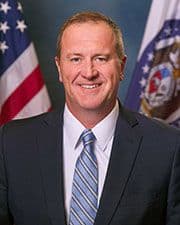
Eric Schmitt
Republican Senator
Missouri
Cosponsors (1)
Commerce, Science, and Transportation Committee
- Introduced
- In Committee
- On Floor
- Passed Chamber
- Enacted
The Transparency In Charges for Key Events Ticketing Act, or TICKET Act, aims to enhance consumer protection in the event ticketing market. It primarily focuses on increasing price transparency, preventing deceptive sales practices, and ensuring fair refund policies for consumers purchasing tickets for live events. A key provision requires ticket issuers, secondary market issuers, and exchanges to display the total event ticket price , including all fees, clearly and conspicuously at every stage of the purchasing process. Before completing a sale, an itemized list of the base ticket price and each individual fee must be provided to the consumer. The Act also implements a speculative ticketing ban , making it unlawful for sellers to offer tickets they do not actually possess. However, it permits the sale of a service to obtain a ticket on behalf of a consumer, provided it is clearly marketed as a service and not an actual ticket, and does not guarantee ticket acquisition. Additional disclosures are mandated, including a clear statement if a seller is engaged in the secondary sale of tickets . Sellers are prohibited from falsely claiming affiliation with or endorsement by a venue, team, or artist, such as using "official" in promotional materials, without express written consent or a partnership agreement. Furthermore, unauthorized use of venue names in domain URLs is forbidden. For canceled or postponed events, the bill establishes specific refund requirements . If an event is canceled, a full refund of the total ticket price is required. For postponed events, depending on the duration, purchasers are entitled to a replacement ticket or, for longer postponements, the option of a full refund or replacement. Sellers must also clearly disclose their guarantee and refund policies, including how to obtain a refund, before a sale is completed. Finally, the Federal Trade Commission (FTC) is tasked with enforcing this Act, treating violations as unfair or deceptive acts or practices. The FTC is also required to submit a report to Congress on the enforcement of the Better Online Ticket Sales Act of 2016, detailing challenges and recommendations for improvement.
Suggested Questions
Get AI-generated questions to help you understand this bill better
Timeline
Introduced in Senate
Read twice and referred to the Committee on Commerce, Science, and Transportation.
Committee on Commerce, Science, and Transportation. Ordered to be reported with amendments favorably.
Committee on Commerce, Science, and Transportation. Reported by Senator Cruz with amendments. With written report No. 119-17.
Placed on Senate Legislative Calendar under General Orders. Calendar No. 63.
Latest Companion Bill Action
HR 119-1402Read twice. Placed on Senate Legislative Calendar under General Orders. Calendar No. 163.
Commerce
Competition and antitrustConsumer affairsInflation and pricesMarketing and advertisingService industriesUser charges and fees
TICKET Act
USA119th CongressS-281| Senate
| Updated: 4/29/2025
The Transparency In Charges for Key Events Ticketing Act, or TICKET Act, aims to enhance consumer protection in the event ticketing market. It primarily focuses on increasing price transparency, preventing deceptive sales practices, and ensuring fair refund policies for consumers purchasing tickets for live events. A key provision requires ticket issuers, secondary market issuers, and exchanges to display the total event ticket price , including all fees, clearly and conspicuously at every stage of the purchasing process. Before completing a sale, an itemized list of the base ticket price and each individual fee must be provided to the consumer. The Act also implements a speculative ticketing ban , making it unlawful for sellers to offer tickets they do not actually possess. However, it permits the sale of a service to obtain a ticket on behalf of a consumer, provided it is clearly marketed as a service and not an actual ticket, and does not guarantee ticket acquisition. Additional disclosures are mandated, including a clear statement if a seller is engaged in the secondary sale of tickets . Sellers are prohibited from falsely claiming affiliation with or endorsement by a venue, team, or artist, such as using "official" in promotional materials, without express written consent or a partnership agreement. Furthermore, unauthorized use of venue names in domain URLs is forbidden. For canceled or postponed events, the bill establishes specific refund requirements . If an event is canceled, a full refund of the total ticket price is required. For postponed events, depending on the duration, purchasers are entitled to a replacement ticket or, for longer postponements, the option of a full refund or replacement. Sellers must also clearly disclose their guarantee and refund policies, including how to obtain a refund, before a sale is completed. Finally, the Federal Trade Commission (FTC) is tasked with enforcing this Act, treating violations as unfair or deceptive acts or practices. The FTC is also required to submit a report to Congress on the enforcement of the Better Online Ticket Sales Act of 2016, detailing challenges and recommendations for improvement.
Suggested Questions
Get AI-generated questions to help you understand this bill better
Timeline
Introduced in Senate
Read twice and referred to the Committee on Commerce, Science, and Transportation.
Committee on Commerce, Science, and Transportation. Ordered to be reported with amendments favorably.
Committee on Commerce, Science, and Transportation. Reported by Senator Cruz with amendments. With written report No. 119-17.
Placed on Senate Legislative Calendar under General Orders. Calendar No. 63.
Latest Companion Bill Action
HR 119-1402Read twice. Placed on Senate Legislative Calendar under General Orders. Calendar No. 163.
Eric Schmitt
Republican Senator
Missouri
Cosponsors (1)
Commerce, Science, and Transportation Committee
Commerce
- Introduced
- In Committee
- On Floor
- Passed Chamber
- Enacted
Competition and antitrustConsumer affairsInflation and pricesMarketing and advertisingService industriesUser charges and fees