Honoring Our Fallen Heroes Act of 2025
USA119th CongressS-237| Senate
| Updated: 5/20/2025
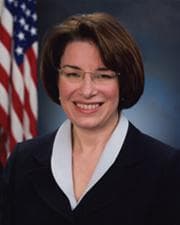
Amy Klobuchar
Democratic Senator
Minnesota
Cosponsors (59)
Jeanne Shaheen (Democratic)Mazie K. Hirono (Democratic)Angela D. Alsobrooks (Democratic)Tammy Duckworth (Democratic)Roger Marshall (Republican)Margaret Wood Hassan (Democratic)Ruben Gallego (Democratic)Adam B. Schiff (Democratic)Jon Ossoff (Democratic)Catherine Cortez Masto (Democratic)Thomas Tillis (Republican)Jim Banks (Republican)Cindy Hyde-Smith (Republican)Richard J. Durbin (Democratic)Edward J. Markey (Democratic)Jerry Moran (Republican)Kirsten E. Gillibrand (Democratic)Elizabeth Warren (Democratic)James E. Risch (Republican)Alex Padilla (Democratic)Christopher A. Coons (Democratic)Eric Schmitt (Republican)Marsha Blackburn (Republican)Ashley Moody (Republican)Mark R. Warner (Democratic)Lindsey Graham (Republican)Tim Kaine (Democratic)Tim Sheehy (Republican)Sheldon Whitehouse (Democratic)Jacky Rosen (Democratic)Mike Rounds (Republican)Ted Cruz (Republican)Chris Van Hollen (Democratic)Kevin Cramer (Republican)James C. Justice (Republican)John Kennedy (Republican)Deb Fischer (Republican)John Barrasso (Republican)Martin Heinrich (Democratic)John Fetterman (Democratic)Tina Smith (Democratic)Bernard Sanders (Independent)David McCormick (Republican)Andy Kim (Democratic)Josh Hawley (Republican)Maria Cantwell (Democratic)John Cornyn (Republican)Peter Welch (Democratic)Jeff Merkley (Democratic)Jon Husted (Republican)Susan M. Collins (Republican)Bernie Moreno (Republican)Ron Wyden (Democratic)John Hoeven (Republican)Richard Blumenthal (Democratic)Mark Kelly (Democratic)Mike Crapo (Republican)Lisa Murkowski (Republican)Shelley Moore Capito (Republican)
Judiciary Committee
- Introduced
- In Committee
- On Floor
- Passed Chamber
- Enacted
This bill significantly amends the Omnibus Crime Control and Safe Streets Act of 1968 to expand public safety officer benefits, specifically addressing exposure-related cancers. Its primary purpose is to provide benefits for public safety officers diagnosed with certain cancers, recognizing them as potential line-of-duty injuries or deaths. The legislation establishes a presumption that an exposure to a carcinogen resulting in an exposure-related cancer is a personal injury sustained in the line of duty if specific criteria are met. These include the officer serving at least five years, being diagnosed within 15 years of their last active service, and the cancer directly causing death or permanent disability. This presumption can be rebutted by competent medical evidence. The bill initially covers a comprehensive list of cancers, including: bladder cancer brain cancer breast cancer lung cancer prostate cancer any form of cancer considered a WTC-related health condition The Director of the Bureau is mandated to periodically review and update this list based on competent medical evidence, and individuals can petition for new cancers to be added. These amendments apply retroactively to claims for deaths or disabilities occurring on or after January 1, 2020 , and allow a three-year window from the bill's enactment for filing such claims. Additionally, the bill broadens confidentiality protections for information provided to the Office of Justice Programs, making these changes effective as if enacted in December 1979, and clarifies the definition of "line of duty action" under the Safeguarding America's First Responders Act of 2020, applying this clarification retroactively.
Suggested Questions
Get AI-generated questions to help you understand this bill better
Timeline
Introduced in Senate
Read twice and referred to the Committee on the Judiciary.
Committee on the Judiciary. Ordered to be reported without amendment favorably.
Committee on the Judiciary. Reported by Senator Grassley without amendment. Without written report.
Placed on Senate Legislative Calendar under General Orders. Calendar No. 78.
Crime and Law Enforcement
CancerCongressional oversightDisability assistanceGovernment employee pay, benefits, personnel managementGovernment information and archivesLaw enforcement officersWorker safety and health
Honoring Our Fallen Heroes Act of 2025
USA119th CongressS-237| Senate
| Updated: 5/20/2025
This bill significantly amends the Omnibus Crime Control and Safe Streets Act of 1968 to expand public safety officer benefits, specifically addressing exposure-related cancers. Its primary purpose is to provide benefits for public safety officers diagnosed with certain cancers, recognizing them as potential line-of-duty injuries or deaths. The legislation establishes a presumption that an exposure to a carcinogen resulting in an exposure-related cancer is a personal injury sustained in the line of duty if specific criteria are met. These include the officer serving at least five years, being diagnosed within 15 years of their last active service, and the cancer directly causing death or permanent disability. This presumption can be rebutted by competent medical evidence. The bill initially covers a comprehensive list of cancers, including: bladder cancer brain cancer breast cancer lung cancer prostate cancer any form of cancer considered a WTC-related health condition The Director of the Bureau is mandated to periodically review and update this list based on competent medical evidence, and individuals can petition for new cancers to be added. These amendments apply retroactively to claims for deaths or disabilities occurring on or after January 1, 2020 , and allow a three-year window from the bill's enactment for filing such claims. Additionally, the bill broadens confidentiality protections for information provided to the Office of Justice Programs, making these changes effective as if enacted in December 1979, and clarifies the definition of "line of duty action" under the Safeguarding America's First Responders Act of 2020, applying this clarification retroactively.
Suggested Questions
Get AI-generated questions to help you understand this bill better
Timeline
Introduced in Senate
Read twice and referred to the Committee on the Judiciary.
Committee on the Judiciary. Ordered to be reported without amendment favorably.
Committee on the Judiciary. Reported by Senator Grassley without amendment. Without written report.
Placed on Senate Legislative Calendar under General Orders. Calendar No. 78.
Amy Klobuchar
Democratic Senator
Minnesota
Cosponsors (59)
Jeanne Shaheen (Democratic)Mazie K. Hirono (Democratic)Angela D. Alsobrooks (Democratic)Tammy Duckworth (Democratic)Roger Marshall (Republican)Margaret Wood Hassan (Democratic)Ruben Gallego (Democratic)Adam B. Schiff (Democratic)Jon Ossoff (Democratic)Catherine Cortez Masto (Democratic)Thomas Tillis (Republican)Jim Banks (Republican)Cindy Hyde-Smith (Republican)Richard J. Durbin (Democratic)Edward J. Markey (Democratic)Jerry Moran (Republican)Kirsten E. Gillibrand (Democratic)Elizabeth Warren (Democratic)James E. Risch (Republican)Alex Padilla (Democratic)Christopher A. Coons (Democratic)Eric Schmitt (Republican)Marsha Blackburn (Republican)Ashley Moody (Republican)Mark R. Warner (Democratic)Lindsey Graham (Republican)Tim Kaine (Democratic)Tim Sheehy (Republican)Sheldon Whitehouse (Democratic)Jacky Rosen (Democratic)Mike Rounds (Republican)Ted Cruz (Republican)Chris Van Hollen (Democratic)Kevin Cramer (Republican)James C. Justice (Republican)John Kennedy (Republican)Deb Fischer (Republican)John Barrasso (Republican)Martin Heinrich (Democratic)John Fetterman (Democratic)Tina Smith (Democratic)Bernard Sanders (Independent)David McCormick (Republican)Andy Kim (Democratic)Josh Hawley (Republican)Maria Cantwell (Democratic)John Cornyn (Republican)Peter Welch (Democratic)Jeff Merkley (Democratic)Jon Husted (Republican)Susan M. Collins (Republican)Bernie Moreno (Republican)Ron Wyden (Democratic)John Hoeven (Republican)Richard Blumenthal (Democratic)Mark Kelly (Democratic)Mike Crapo (Republican)Lisa Murkowski (Republican)Shelley Moore Capito (Republican)
Judiciary Committee
Crime and Law Enforcement
Related Bills
- Introduced
- In Committee
- On Floor
- Passed Chamber
- Enacted
CancerCongressional oversightDisability assistanceGovernment employee pay, benefits, personnel managementGovernment information and archivesLaw enforcement officersWorker safety and health