Break the Cycle of Violence Act
USA119th CongressS-2203| Senate
| Updated: 6/28/2025
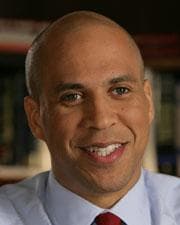
Cory A. Booker
Democratic Senator
New Jersey
Cosponsors (21)
Mazie K. Hirono (Democratic)Angela D. Alsobrooks (Democratic)Tammy Duckworth (Democratic)Adam B. Schiff (Democratic)Richard J. Durbin (Democratic)Edward J. Markey (Democratic)Lisa Blunt Rochester (Democratic)Charles E. Schumer (Democratic)Jack Reed (Democratic)Kirsten E. Gillibrand (Democratic)Elizabeth Warren (Democratic)Alex Padilla (Democratic)Christopher A. Coons (Democratic)Amy Klobuchar (Democratic)Sheldon Whitehouse (Democratic)Christopher Murphy (Democratic)Tina Smith (Democratic)Bernard Sanders (Independent)Tammy Baldwin (Democratic)Ron Wyden (Democratic)Richard Blumenthal (Democratic)
Judiciary Committee
- Introduced
- In Committee
- On Floor
- Passed Chamber
- Enacted
The "Break the Cycle of Violence Act" seeks to address community violence, which it identifies as a significant public health and safety concern, disproportionately affecting communities of color and young men and boys. The bill emphasizes that gun violence is a leading cause of death for American youth and imposes substantial human and economic costs. It highlights the effectiveness of coordinated, community-based strategies that utilize trauma-responsive care and interrupt cycles of violence without contributing to mass incarceration. Title I of the bill authorizes the Secretary of Health and Human Services (HHS) to award grants for community-based violence intervention programs . These grants will support initiatives that are evidence-informed, trauma-responsive, and expand economic opportunities, primarily focusing on individuals at high risk of being victimized by or engaging in community violence. Eligible entities include community-based nonprofit organizations and local governments, with a requirement for local governments to distribute a significant portion of funds to community partners. HHS is also mandated to establish an Office of Community Violence Intervention and an Advisory Committee to guide grant development and selection. Furthermore, Title I establishes a National Community Violence Response Center within HHS. This center will provide technical assistance, develop data collection policies, coordinate research through a Research Advisory Council, and build capacity in the field of community violence intervention. It will also host biennial conferences to share best practices and address challenges. The bill authorizes significant appropriations for HHS, starting with $300 million in fiscal year 2026 and increasing to $700 million annually from 2028 through 2033. Title II of the bill focuses on economic opportunity, authorizing the Secretary of Labor to award Improving Approaches for Communities to Thrive (IMPACT) grants . These grants will fund year-round job training and workforce programs for "opportunity youth"—individuals aged 16-24 not enrolled in education or employed—in communities disproportionately affected by gun violence. Eligible entities include community-based nonprofits, Indian Tribes, and educational institutions, with a focus on preparing youth for in-demand occupations. This title authorizes $1.5 billion for the period of fiscal years 2026 through 2033 to support these vital workforce development initiatives.
View Full TextSuggested Questions
Get AI-generated questions to help you understand this bill better
Timeline
Introduced in Senate
Read twice and referred to the Committee on the Judiciary.
Crime and Law Enforcement
Break the Cycle of Violence Act
USA119th CongressS-2203| Senate
| Updated: 6/28/2025
The "Break the Cycle of Violence Act" seeks to address community violence, which it identifies as a significant public health and safety concern, disproportionately affecting communities of color and young men and boys. The bill emphasizes that gun violence is a leading cause of death for American youth and imposes substantial human and economic costs. It highlights the effectiveness of coordinated, community-based strategies that utilize trauma-responsive care and interrupt cycles of violence without contributing to mass incarceration. Title I of the bill authorizes the Secretary of Health and Human Services (HHS) to award grants for community-based violence intervention programs . These grants will support initiatives that are evidence-informed, trauma-responsive, and expand economic opportunities, primarily focusing on individuals at high risk of being victimized by or engaging in community violence. Eligible entities include community-based nonprofit organizations and local governments, with a requirement for local governments to distribute a significant portion of funds to community partners. HHS is also mandated to establish an Office of Community Violence Intervention and an Advisory Committee to guide grant development and selection. Furthermore, Title I establishes a National Community Violence Response Center within HHS. This center will provide technical assistance, develop data collection policies, coordinate research through a Research Advisory Council, and build capacity in the field of community violence intervention. It will also host biennial conferences to share best practices and address challenges. The bill authorizes significant appropriations for HHS, starting with $300 million in fiscal year 2026 and increasing to $700 million annually from 2028 through 2033. Title II of the bill focuses on economic opportunity, authorizing the Secretary of Labor to award Improving Approaches for Communities to Thrive (IMPACT) grants . These grants will fund year-round job training and workforce programs for "opportunity youth"—individuals aged 16-24 not enrolled in education or employed—in communities disproportionately affected by gun violence. Eligible entities include community-based nonprofits, Indian Tribes, and educational institutions, with a focus on preparing youth for in-demand occupations. This title authorizes $1.5 billion for the period of fiscal years 2026 through 2033 to support these vital workforce development initiatives.
View Full TextSuggested Questions
Get AI-generated questions to help you understand this bill better
Timeline
Introduced in Senate
Read twice and referred to the Committee on the Judiciary.
Cory A. Booker
Democratic Senator
New Jersey
Cosponsors (21)
Mazie K. Hirono (Democratic)Angela D. Alsobrooks (Democratic)Tammy Duckworth (Democratic)Adam B. Schiff (Democratic)Richard J. Durbin (Democratic)Edward J. Markey (Democratic)Lisa Blunt Rochester (Democratic)Charles E. Schumer (Democratic)Jack Reed (Democratic)Kirsten E. Gillibrand (Democratic)Elizabeth Warren (Democratic)Alex Padilla (Democratic)Christopher A. Coons (Democratic)Amy Klobuchar (Democratic)Sheldon Whitehouse (Democratic)Christopher Murphy (Democratic)Tina Smith (Democratic)Bernard Sanders (Independent)Tammy Baldwin (Democratic)Ron Wyden (Democratic)Richard Blumenthal (Democratic)
Judiciary Committee
Crime and Law Enforcement
Related Bills
- Introduced
- In Committee
- On Floor
- Passed Chamber
- Enacted