Break the Cycle of Violence Act
USA119th CongressHR-4103| House
| Updated: 6/24/2025
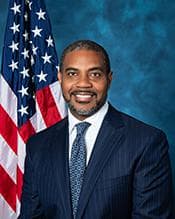
Steven Horsford
Democratic Representative
Nevada
Cosponsors (120)
Dwight Evans (Democratic)Kim Schrier (Democratic)Stacey E. Plaskett (Democratic)April McClain Delaney (Democratic)Donald Norcross (Democratic)Nikema Williams (Democratic)Jonathan L. Jackson (Democratic)Sylvia R. Garcia (Democratic)Marc A. Veasey (Democratic)Gabe Amo (Democratic)Robin L. Kelly (Democratic)Shomari Figures (Democratic)Julie Johnson (Democratic)Ritchie Torres (Democratic)Robert Garcia (Democratic)Mark Pocan (Democratic)Robert Menendez (Democratic)Joyce Beatty (Democratic)Jennifer L. McClellan (Democratic)Ed Case (Democratic)Christopher R. Deluzio (Democratic)Emanuel Cleaver (Democratic)Sanford D. Bishop (Democratic)Ilhan Omar (Democratic)Shontel M. Brown (Democratic)Frederica S. Wilson (Democratic)Juan Vargas (Democratic)Terri A. Sewell (Democratic)Troy A. Carter (Democratic)Jimmy Panetta (Democratic)Maxine Dexter (Democratic)Dina Titus (Democratic)Maxwell Frost (Democratic)Debbie Dingell (Democratic)Madeleine Dean (Democratic)Melanie A. Stansbury (Democratic)Suzan K. DelBene (Democratic)Andrea Salinas (Democratic)Angie Craig (Democratic)Delia C. Ramirez (Democratic)Thomas R. Suozzi (Democratic)Greg Casar (Democratic)Haley M. Stevens (Democratic)Adriano Espaillat (Democratic)Shri Thanedar (Democratic)Danny K. Davis (Democratic)Ted Lieu (Democratic)Ro Khanna (Democratic)Henry C. "Hank" Johnson (Democratic)Sheila Cherfilus-McCormick (Democratic)Nikki Budzinski (Democratic)Brendan F. Boyle (Democratic)John B. Larson (Democratic)Stephen F. Lynch (Democratic)Mark DeSaulnier (Democratic)Jill N. Tokuda (Democratic)Joseph D. Morelle (Democratic)Emilia Strong Sykes (Democratic)Glenn Ivey (Democratic)Doris O. Matsui (Democratic)Hillary J. Scholten (Democratic)Marilyn Strickland (Democratic)Daniel S. Goldman (Democratic)Jahana Hayes (Democratic)Morgan McGarvey (Democratic)Raja Krishnamoorthi (Democratic)Jerrold Nadler (Democratic)Adelita S. Grijalva (Democratic)Ami Bera (Democratic)Josh Harder (Democratic)Sydney Kamlager-Dove (Democratic)Lucy McBath (Democratic)Pramila Jayapal (Democratic)Kathy Castor (Democratic)Betty McCollum (Democratic)Eleanor Holmes Norton (Democratic)Bonnie Watson Coleman (Democratic)Mary Gay Scanlon (Democratic)Wesley Bell (Democratic)Richard E. Neal (Democratic)Lateefah Simon (Democratic)Timothy M. Kennedy (Democratic)Salud O. Carbajal (Democratic)Jim Costa (Democratic)Joe Neguse (Democratic)Mike Quigley (Democratic)Donald S. Beyer (Democratic)Sean Casten (Democratic)Diana DeGette (Democratic)Janice D. Schakowsky (Democratic)James P. McGovern (Democratic)Alexandria Ocasio-Cortez (Democratic)Summer L. Lee (Democratic)Adam Smith (Democratic)Nydia M. Velázquez (Democratic)Julia Brownley (Democratic)Cleo Fields (Democratic)Seth Magaziner (Democratic)Sarah McBride (Democratic)Bennie G. Thompson (Democratic)Deborah K. Ross (Democratic)Lori Trahan (Democratic)Seth Moulton (Democratic)Mike Thompson (Democratic)Suzanne Bonamici (Democratic)Lizzie Fletcher (Democratic)Zoe Lofgren (Democratic)Nanette Diaz Barragán (Democratic)Jesús G. "Chuy" García (Democratic)Gwen Moore (Democratic)Jimmy Gomez (Democratic)Grace Meng (Democratic)Valerie P. Foushee (Democratic)Rashida Tlaib (Democratic)Kweisi Mfume (Democratic)Ayanna Pressley (Democratic)Debbie Wasserman Schultz (Democratic)Lauren Underwood (Democratic)Mike Levin (Democratic)Judy Chu (Democratic)
Judiciary Committee, Education and Workforce Committee
- Introduced
- In Committee
- On Floor
- Passed Chamber
- Enacted
The "Break the Cycle of Violence Act" seeks to build safer communities and save lives by authorizing the Secretary of Health and Human Services (HHS) to invest in effective community-based violence reduction initiatives. It establishes a grant program for eligible entities, including community-based non-profits and local governments, to implement coordinated community violence intervention initiatives. These initiatives must be evidence-informed , utilize trauma-responsive care , and expand economic opportunities, focusing on individuals at high risk of being victimized by or engaging in violence. Under HHS, the bill mandates the establishment of an Office of Community Violence Intervention to oversee the implementation of these provisions and an Advisory Committee to provide guidance on grant solicitations and selections. It also creates a National Community Violence Response Center , tasked with providing technical assistance, developing data collection policies, coordinating research on community violence, and fostering innovation and capacity building within the field. The Center will also host biennial conferences and report annually to Congress on national trends and recommendations. Grant funds awarded by HHS are intended to support strategies such as community outreach programs, hospital-based violence intervention programs, and group violence interventions, all designed to interrupt cycles of violence and provide wraparound services. Local government grantees are required to distribute a significant portion of funds to community-based organizations or non-law enforcement public agencies. The bill authorizes substantial appropriations for HHS, including $300 million for fiscal year 2026, increasing to $700 million annually from 2028 through 2033. Beyond HHS, the bill authorizes the Department of Labor to award "IMPACT" grants for year-round job training and workforce programs. These grants target "opportunity youth" (ages 16-24, not employed or in education) in communities disproportionately affected by gun violence, aiming to connect them with in-demand occupations . Eligible entities for these grants include community-based non-profits, Indian Tribes, and accredited community colleges, with an authorization of $1.5 billion for fiscal years 2026 through 2033.
View Full TextSuggested Questions
Get AI-generated questions to help you understand this bill better
Timeline
Introduced in House
Referred to the Committee on the Judiciary, and in addition to the Committee on Education and Workforce, for a period to be subsequently determined by the Speaker, in each case for consideration of such provisions as fall within the jurisdiction of the committee concerned.
Crime and Law Enforcement
Break the Cycle of Violence Act
USA119th CongressHR-4103| House
| Updated: 6/24/2025
The "Break the Cycle of Violence Act" seeks to build safer communities and save lives by authorizing the Secretary of Health and Human Services (HHS) to invest in effective community-based violence reduction initiatives. It establishes a grant program for eligible entities, including community-based non-profits and local governments, to implement coordinated community violence intervention initiatives. These initiatives must be evidence-informed , utilize trauma-responsive care , and expand economic opportunities, focusing on individuals at high risk of being victimized by or engaging in violence. Under HHS, the bill mandates the establishment of an Office of Community Violence Intervention to oversee the implementation of these provisions and an Advisory Committee to provide guidance on grant solicitations and selections. It also creates a National Community Violence Response Center , tasked with providing technical assistance, developing data collection policies, coordinating research on community violence, and fostering innovation and capacity building within the field. The Center will also host biennial conferences and report annually to Congress on national trends and recommendations. Grant funds awarded by HHS are intended to support strategies such as community outreach programs, hospital-based violence intervention programs, and group violence interventions, all designed to interrupt cycles of violence and provide wraparound services. Local government grantees are required to distribute a significant portion of funds to community-based organizations or non-law enforcement public agencies. The bill authorizes substantial appropriations for HHS, including $300 million for fiscal year 2026, increasing to $700 million annually from 2028 through 2033. Beyond HHS, the bill authorizes the Department of Labor to award "IMPACT" grants for year-round job training and workforce programs. These grants target "opportunity youth" (ages 16-24, not employed or in education) in communities disproportionately affected by gun violence, aiming to connect them with in-demand occupations . Eligible entities for these grants include community-based non-profits, Indian Tribes, and accredited community colleges, with an authorization of $1.5 billion for fiscal years 2026 through 2033.
View Full TextSuggested Questions
Get AI-generated questions to help you understand this bill better
Timeline
Introduced in House
Referred to the Committee on the Judiciary, and in addition to the Committee on Education and Workforce, for a period to be subsequently determined by the Speaker, in each case for consideration of such provisions as fall within the jurisdiction of the committee concerned.
Steven Horsford
Democratic Representative
Nevada
Cosponsors (120)
Dwight Evans (Democratic)Kim Schrier (Democratic)Stacey E. Plaskett (Democratic)April McClain Delaney (Democratic)Donald Norcross (Democratic)Nikema Williams (Democratic)Jonathan L. Jackson (Democratic)Sylvia R. Garcia (Democratic)Marc A. Veasey (Democratic)Gabe Amo (Democratic)Robin L. Kelly (Democratic)Shomari Figures (Democratic)Julie Johnson (Democratic)Ritchie Torres (Democratic)Robert Garcia (Democratic)Mark Pocan (Democratic)Robert Menendez (Democratic)Joyce Beatty (Democratic)Jennifer L. McClellan (Democratic)Ed Case (Democratic)Christopher R. Deluzio (Democratic)Emanuel Cleaver (Democratic)Sanford D. Bishop (Democratic)Ilhan Omar (Democratic)Shontel M. Brown (Democratic)Frederica S. Wilson (Democratic)Juan Vargas (Democratic)Terri A. Sewell (Democratic)Troy A. Carter (Democratic)Jimmy Panetta (Democratic)Maxine Dexter (Democratic)Dina Titus (Democratic)Maxwell Frost (Democratic)Debbie Dingell (Democratic)Madeleine Dean (Democratic)Melanie A. Stansbury (Democratic)Suzan K. DelBene (Democratic)Andrea Salinas (Democratic)Angie Craig (Democratic)Delia C. Ramirez (Democratic)Thomas R. Suozzi (Democratic)Greg Casar (Democratic)Haley M. Stevens (Democratic)Adriano Espaillat (Democratic)Shri Thanedar (Democratic)Danny K. Davis (Democratic)Ted Lieu (Democratic)Ro Khanna (Democratic)Henry C. "Hank" Johnson (Democratic)Sheila Cherfilus-McCormick (Democratic)Nikki Budzinski (Democratic)Brendan F. Boyle (Democratic)John B. Larson (Democratic)Stephen F. Lynch (Democratic)Mark DeSaulnier (Democratic)Jill N. Tokuda (Democratic)Joseph D. Morelle (Democratic)Emilia Strong Sykes (Democratic)Glenn Ivey (Democratic)Doris O. Matsui (Democratic)Hillary J. Scholten (Democratic)Marilyn Strickland (Democratic)Daniel S. Goldman (Democratic)Jahana Hayes (Democratic)Morgan McGarvey (Democratic)Raja Krishnamoorthi (Democratic)Jerrold Nadler (Democratic)Adelita S. Grijalva (Democratic)Ami Bera (Democratic)Josh Harder (Democratic)Sydney Kamlager-Dove (Democratic)Lucy McBath (Democratic)Pramila Jayapal (Democratic)Kathy Castor (Democratic)Betty McCollum (Democratic)Eleanor Holmes Norton (Democratic)Bonnie Watson Coleman (Democratic)Mary Gay Scanlon (Democratic)Wesley Bell (Democratic)Richard E. Neal (Democratic)Lateefah Simon (Democratic)Timothy M. Kennedy (Democratic)Salud O. Carbajal (Democratic)Jim Costa (Democratic)Joe Neguse (Democratic)Mike Quigley (Democratic)Donald S. Beyer (Democratic)Sean Casten (Democratic)Diana DeGette (Democratic)Janice D. Schakowsky (Democratic)James P. McGovern (Democratic)Alexandria Ocasio-Cortez (Democratic)Summer L. Lee (Democratic)Adam Smith (Democratic)Nydia M. Velázquez (Democratic)Julia Brownley (Democratic)Cleo Fields (Democratic)Seth Magaziner (Democratic)Sarah McBride (Democratic)Bennie G. Thompson (Democratic)Deborah K. Ross (Democratic)Lori Trahan (Democratic)Seth Moulton (Democratic)Mike Thompson (Democratic)Suzanne Bonamici (Democratic)Lizzie Fletcher (Democratic)Zoe Lofgren (Democratic)Nanette Diaz Barragán (Democratic)Jesús G. "Chuy" García (Democratic)Gwen Moore (Democratic)Jimmy Gomez (Democratic)Grace Meng (Democratic)Valerie P. Foushee (Democratic)Rashida Tlaib (Democratic)Kweisi Mfume (Democratic)Ayanna Pressley (Democratic)Debbie Wasserman Schultz (Democratic)Lauren Underwood (Democratic)Mike Levin (Democratic)Judy Chu (Democratic)
Judiciary Committee, Education and Workforce Committee
Crime and Law Enforcement
Related Bills
- Introduced
- In Committee
- On Floor
- Passed Chamber
- Enacted