Striking and Locked Out Workers Healthcare Protection Act
USA119th CongressS-1984| Senate
| Updated: 6/5/2025
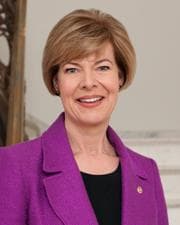
Tammy Baldwin
Democratic Senator
Wisconsin
Cosponsors (14)
Tammy Duckworth (Democratic)Ruben Gallego (Democratic)Richard J. Durbin (Democratic)Edward J. Markey (Democratic)Elizabeth Warren (Democratic)Alex Padilla (Democratic)Sheldon Whitehouse (Democratic)Chris Van Hollen (Democratic)Christopher Murphy (Democratic)John Fetterman (Democratic)Tina Smith (Democratic)Bernard Sanders (Independent)Cory A. Booker (Democratic)Richard Blumenthal (Democratic)
Health, Education, Labor, and Pensions Committee
- Introduced
- In Committee
- On Floor
- Passed Chamber
- Enacted
This bill, titled the "Striking and Locked Out Workers Healthcare Protection Act," amends the National Labor Relations Act (NLRA) to safeguard employees' group health plan coverage during labor disputes. It specifically prohibits employers from terminating or altering an employee's health benefits when the employer is engaged in a lockout or when employees are engaged in a lawful strike . These actions would be considered new unfair labor practices under the NLRA. The legislation establishes significant civil penalties for employers who commit these unfair labor practices. For violations during a lockout, employers could face penalties up to $75,000, doubling to $150,000 for repeat offenses or if the violation causes serious economic harm. Similarly, violations during a lawful strike carry penalties up to $50,000, which can double to $100,000 under similar aggravating circumstances. Furthermore, the bill introduces the possibility of director and officer liability , allowing penalties to be assessed against individuals who directed, committed, or failed to prevent such violations. The National Labor Relations Board will consider factors like the gravity of the employer's actions, the employer's size, their history of unfair labor practices, and the public interest when determining penalty amounts.
View Full TextSuggested Questions
Get AI-generated questions to help you understand this bill better
Timeline
Introduced in Senate
Read twice and referred to the Committee on Health, Education, Labor, and Pensions.
Labor and Employment
Striking and Locked Out Workers Healthcare Protection Act
USA119th CongressS-1984| Senate
| Updated: 6/5/2025
This bill, titled the "Striking and Locked Out Workers Healthcare Protection Act," amends the National Labor Relations Act (NLRA) to safeguard employees' group health plan coverage during labor disputes. It specifically prohibits employers from terminating or altering an employee's health benefits when the employer is engaged in a lockout or when employees are engaged in a lawful strike . These actions would be considered new unfair labor practices under the NLRA. The legislation establishes significant civil penalties for employers who commit these unfair labor practices. For violations during a lockout, employers could face penalties up to $75,000, doubling to $150,000 for repeat offenses or if the violation causes serious economic harm. Similarly, violations during a lawful strike carry penalties up to $50,000, which can double to $100,000 under similar aggravating circumstances. Furthermore, the bill introduces the possibility of director and officer liability , allowing penalties to be assessed against individuals who directed, committed, or failed to prevent such violations. The National Labor Relations Board will consider factors like the gravity of the employer's actions, the employer's size, their history of unfair labor practices, and the public interest when determining penalty amounts.
View Full TextSuggested Questions
Get AI-generated questions to help you understand this bill better
Timeline
Introduced in Senate
Read twice and referred to the Committee on Health, Education, Labor, and Pensions.
Tammy Baldwin
Democratic Senator
Wisconsin
Cosponsors (14)
Tammy Duckworth (Democratic)Ruben Gallego (Democratic)Richard J. Durbin (Democratic)Edward J. Markey (Democratic)Elizabeth Warren (Democratic)Alex Padilla (Democratic)Sheldon Whitehouse (Democratic)Chris Van Hollen (Democratic)Christopher Murphy (Democratic)John Fetterman (Democratic)Tina Smith (Democratic)Bernard Sanders (Independent)Cory A. Booker (Democratic)Richard Blumenthal (Democratic)
Health, Education, Labor, and Pensions Committee
Labor and Employment
- Introduced
- In Committee
- On Floor
- Passed Chamber
- Enacted