Striking and Locked Out Workers Healthcare Protection Act
USA119th CongressHR-3532| House
| Updated: 5/21/2025
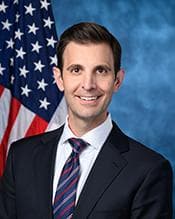
Christopher R. Deluzio
Democratic Representative
Pennsylvania
Cosponsors (54)
Donald Norcross (Democratic)Nikema Williams (Democratic)Yassamin Ansari (Democratic)John Garamendi (Democratic)Sylvia R. Garcia (Democratic)Mark Pocan (Democratic)Emanuel Cleaver (Democratic)Sanford D. Bishop (Democratic)Greg Landsman (Democratic)Frederica S. Wilson (Democratic)James R. Walkinshaw (Democratic)Steven Horsford (Democratic)Dina Titus (Democratic)Maxwell Frost (Democratic)Debbie Dingell (Democratic)Sarah Elfreth (Democratic)Andrea Salinas (Democratic)Angie Craig (Democratic)Delia C. Ramirez (Democratic)Greg Casar (Democratic)Haley M. Stevens (Democratic)Frank J. Mrvan (Democratic)Danny K. Davis (Democratic)George Latimer (Democratic)Henry C. "Hank" Johnson (Democratic)Nikki Budzinski (Democratic)André Carson (Democratic)Stephen F. Lynch (Democratic)Daniel S. Goldman (Democratic)Jahana Hayes (Democratic)Morgan McGarvey (Democratic)Raja Krishnamoorthi (Democratic)Alma S. Adams (Democratic)Pramila Jayapal (Democratic)Betty McCollum (Democratic)Eleanor Holmes Norton (Democratic)Wesley Bell (Democratic)Sean Casten (Democratic)Eric Sorensen (Democratic)Alexandria Ocasio-Cortez (Democratic)Maxine Waters (Democratic)Summer L. Lee (Democratic)Julia Brownley (Democratic)Seth Magaziner (Democratic)Sarah McBride (Democratic)Suzanne Bonamici (Democratic)Linda T. Sánchez (Democratic)Emily Randall (Democratic)Jesús G. "Chuy" García (Democratic)Kevin Mullin (Democratic)Grace Meng (Democratic)Rashida Tlaib (Democratic)Lloyd Doggett (Democratic)Judy Chu (Democratic)
Education and Workforce Committee
- Introduced
- In Committee
- On Floor
- Passed Chamber
- Enacted
This bill aims to prevent employers from terminating or altering an employee's group health plan coverage during periods of labor disputes. It achieves this by amending the National Labor Relations Act to classify such actions as unfair labor practices, thereby protecting workers' healthcare access during lock-outs or lawful strikes. Specifically, the legislation adds new provisions to Section 8(a) of the National Labor Relations Act. It prohibits employers from terminating or altering coverage during a **lock-out**, where the employer withholds employment to influence collective bargaining, and also during a **lawful strike** initiated by employees. The bill defines "group health plan" by referencing the Employee Retirement Income Security Act of 1974. To enforce these prohibitions, the bill introduces new civil penalties for employers found to have committed these unfair labor practices. Violations related to lock-outs can incur penalties up to $75,000, while those during lawful strikes face penalties up to $50,000, with potential doubling for repeat offenses or severe economic harm. Furthermore, directors or officers may face personal liability, and the National Labor Relations Board will consider factors like the gravity of the action, employer size, and history of violations when determining penalty amounts.
View Full TextSuggested Questions
Get AI-generated questions to help you understand this bill better
Timeline
Introduced in House
Referred to the House Committee on Education and Workforce.
Labor and Employment
Striking and Locked Out Workers Healthcare Protection Act
USA119th CongressHR-3532| House
| Updated: 5/21/2025
This bill aims to prevent employers from terminating or altering an employee's group health plan coverage during periods of labor disputes. It achieves this by amending the National Labor Relations Act to classify such actions as unfair labor practices, thereby protecting workers' healthcare access during lock-outs or lawful strikes. Specifically, the legislation adds new provisions to Section 8(a) of the National Labor Relations Act. It prohibits employers from terminating or altering coverage during a **lock-out**, where the employer withholds employment to influence collective bargaining, and also during a **lawful strike** initiated by employees. The bill defines "group health plan" by referencing the Employee Retirement Income Security Act of 1974. To enforce these prohibitions, the bill introduces new civil penalties for employers found to have committed these unfair labor practices. Violations related to lock-outs can incur penalties up to $75,000, while those during lawful strikes face penalties up to $50,000, with potential doubling for repeat offenses or severe economic harm. Furthermore, directors or officers may face personal liability, and the National Labor Relations Board will consider factors like the gravity of the action, employer size, and history of violations when determining penalty amounts.
View Full TextSuggested Questions
Get AI-generated questions to help you understand this bill better
Timeline
Introduced in House
Referred to the House Committee on Education and Workforce.
Christopher R. Deluzio
Democratic Representative
Pennsylvania
Cosponsors (54)
Donald Norcross (Democratic)Nikema Williams (Democratic)Yassamin Ansari (Democratic)John Garamendi (Democratic)Sylvia R. Garcia (Democratic)Mark Pocan (Democratic)Emanuel Cleaver (Democratic)Sanford D. Bishop (Democratic)Greg Landsman (Democratic)Frederica S. Wilson (Democratic)James R. Walkinshaw (Democratic)Steven Horsford (Democratic)Dina Titus (Democratic)Maxwell Frost (Democratic)Debbie Dingell (Democratic)Sarah Elfreth (Democratic)Andrea Salinas (Democratic)Angie Craig (Democratic)Delia C. Ramirez (Democratic)Greg Casar (Democratic)Haley M. Stevens (Democratic)Frank J. Mrvan (Democratic)Danny K. Davis (Democratic)George Latimer (Democratic)Henry C. "Hank" Johnson (Democratic)Nikki Budzinski (Democratic)André Carson (Democratic)Stephen F. Lynch (Democratic)Daniel S. Goldman (Democratic)Jahana Hayes (Democratic)Morgan McGarvey (Democratic)Raja Krishnamoorthi (Democratic)Alma S. Adams (Democratic)Pramila Jayapal (Democratic)Betty McCollum (Democratic)Eleanor Holmes Norton (Democratic)Wesley Bell (Democratic)Sean Casten (Democratic)Eric Sorensen (Democratic)Alexandria Ocasio-Cortez (Democratic)Maxine Waters (Democratic)Summer L. Lee (Democratic)Julia Brownley (Democratic)Seth Magaziner (Democratic)Sarah McBride (Democratic)Suzanne Bonamici (Democratic)Linda T. Sánchez (Democratic)Emily Randall (Democratic)Jesús G. "Chuy" García (Democratic)Kevin Mullin (Democratic)Grace Meng (Democratic)Rashida Tlaib (Democratic)Lloyd Doggett (Democratic)Judy Chu (Democratic)
Education and Workforce Committee
Labor and Employment
- Introduced
- In Committee
- On Floor
- Passed Chamber
- Enacted