Close the Revolving Door Act of 2025
USA119th CongressS-1850| Senate
| Updated: 5/21/2025
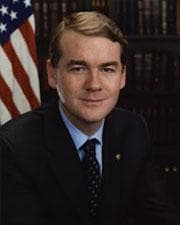
Michael F. Bennet
Democratic Senator
Colorado
Homeland Security and Governmental Affairs Committee
- Introduced
- In Committee
- On Floor
- Passed Chamber
- Enacted
The "Close the Revolving Door Act of 2025" aims to significantly strengthen controls and restrictions on lobbying activities by former government officials and enhance transparency in the lobbying process. This legislation introduces several key reforms to address concerns about the influence of former public servants in the legislative branch. A central provision of the bill establishes a lifetime ban on former Senators, Members of the House of Representatives, and elected officers from lobbying Congress after leaving office. Furthermore, it extends the post-employment lobbying prohibition for certain congressional staff from the current one-year period to six years. These measures aim to significantly reduce the "revolving door" phenomenon. To improve public access to lobbying information, the bill mandates the creation of a joint internet database , "lobbyists.gov," maintained by the Secretary of the Senate and the Clerk of the House of Representatives. This website will be easily searchable and will include detailed information on lobbyists' activities. Additionally, "substantial lobbying entities" (those employing more than three registered lobbyists) will be required to annually report on former Members of Congress and specific high-level legislative branch officials they employ or contract with. The legislation also introduces a new restriction prohibiting registered lobbyists or agents of foreign principals from being hired by a Member or committee of Congress with whom they had substantial lobbying contact within six years of leaving their lobbying position, though a waiver is possible for compelling national need. Finally, the bill significantly enhances penalties for violations of the Lobbying Disclosure Act of 1995, increasing the maximum civil penalty from $200,000 to $500,000.
View Full TextSuggested Questions
Get AI-generated questions to help you understand this bill better
Timeline
Introduced in Senate
Read twice and referred to the Committee on Homeland Security and Governmental Affairs.
Government Operations and Politics
Close the Revolving Door Act of 2025
USA119th CongressS-1850| Senate
| Updated: 5/21/2025
The "Close the Revolving Door Act of 2025" aims to significantly strengthen controls and restrictions on lobbying activities by former government officials and enhance transparency in the lobbying process. This legislation introduces several key reforms to address concerns about the influence of former public servants in the legislative branch. A central provision of the bill establishes a lifetime ban on former Senators, Members of the House of Representatives, and elected officers from lobbying Congress after leaving office. Furthermore, it extends the post-employment lobbying prohibition for certain congressional staff from the current one-year period to six years. These measures aim to significantly reduce the "revolving door" phenomenon. To improve public access to lobbying information, the bill mandates the creation of a joint internet database , "lobbyists.gov," maintained by the Secretary of the Senate and the Clerk of the House of Representatives. This website will be easily searchable and will include detailed information on lobbyists' activities. Additionally, "substantial lobbying entities" (those employing more than three registered lobbyists) will be required to annually report on former Members of Congress and specific high-level legislative branch officials they employ or contract with. The legislation also introduces a new restriction prohibiting registered lobbyists or agents of foreign principals from being hired by a Member or committee of Congress with whom they had substantial lobbying contact within six years of leaving their lobbying position, though a waiver is possible for compelling national need. Finally, the bill significantly enhances penalties for violations of the Lobbying Disclosure Act of 1995, increasing the maximum civil penalty from $200,000 to $500,000.
View Full TextSuggested Questions
Get AI-generated questions to help you understand this bill better
Timeline
Introduced in Senate
Read twice and referred to the Committee on Homeland Security and Governmental Affairs.
Michael F. Bennet
Democratic Senator
Colorado
Homeland Security and Governmental Affairs Committee
Government Operations and Politics
Related Bills
- Introduced
- In Committee
- On Floor
- Passed Chamber
- Enacted