Close the Revolving Door Act of 2019
USA116th CongressS-2622| Senate
| Updated: 10/17/2019
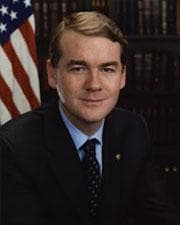
Michael F. Bennet
Democratic Senator
Colorado
Homeland Security and Governmental Affairs Committee
- Introduced
- In Committee
- On Floor
- Passed Chamber
- Enacted
Close the Revolving Door Act of 2019 This bill increases restrictions on lobbying and penalties for violations of such restrictions. Specifically, the bill imposes a lifetime ban on any former Senator, Member of the House of Representatives, or elected officer of the Senate or House of Representatives from lobbying any current Member, officer, or employee of Congress, or any employee of any other legislative office. (Currently, such ban is for two years after a Senator leaves office and one year after a Member of the House of Representatives leaves office.) The ban is extended from one to six years for officers and employees of the Senate, personal staff of Members, committee staff, leadership staff, and other legislative offices. A registered lobbyist or agent of a foreign principal may not be hired for a six-year period by a Member of Congress or a congressional committee with whom they have had a substantial lobbying contact. This bill also (1) requires a substantial lobbying entity (an incorporated entity that employs more than three registered lobbyists during a filing period) to file annual lists with Congress of former Members of Congress and certain highly paid legislative branch officials who provide paid consulting services to the lobbying entity, and (2) increases the civil penalty for violations of disclosure or reporting requirements.
View Full TextSuggested Questions
Get AI-generated questions to help you understand this bill better
Timeline
Introduced in Senate
Read twice and referred to the Committee on Homeland Security and Governmental Affairs.
Government Operations and Politics
Congressional officers and employeesCongressional oversightElections, voting, political campaign regulationGovernment ethics and transparency, public corruptionGovernment information and archivesHouse of RepresentativesMembers of CongressPublic participation and lobbyingSenate
Close the Revolving Door Act of 2019
USA116th CongressS-2622| Senate
| Updated: 10/17/2019
Close the Revolving Door Act of 2019 This bill increases restrictions on lobbying and penalties for violations of such restrictions. Specifically, the bill imposes a lifetime ban on any former Senator, Member of the House of Representatives, or elected officer of the Senate or House of Representatives from lobbying any current Member, officer, or employee of Congress, or any employee of any other legislative office. (Currently, such ban is for two years after a Senator leaves office and one year after a Member of the House of Representatives leaves office.) The ban is extended from one to six years for officers and employees of the Senate, personal staff of Members, committee staff, leadership staff, and other legislative offices. A registered lobbyist or agent of a foreign principal may not be hired for a six-year period by a Member of Congress or a congressional committee with whom they have had a substantial lobbying contact. This bill also (1) requires a substantial lobbying entity (an incorporated entity that employs more than three registered lobbyists during a filing period) to file annual lists with Congress of former Members of Congress and certain highly paid legislative branch officials who provide paid consulting services to the lobbying entity, and (2) increases the civil penalty for violations of disclosure or reporting requirements.
View Full TextSuggested Questions
Get AI-generated questions to help you understand this bill better
Timeline
Introduced in Senate
Read twice and referred to the Committee on Homeland Security and Governmental Affairs.
Michael F. Bennet
Democratic Senator
Colorado
Homeland Security and Governmental Affairs Committee
Government Operations and Politics
- Introduced
- In Committee
- On Floor
- Passed Chamber
- Enacted
Congressional officers and employeesCongressional oversightElections, voting, political campaign regulationGovernment ethics and transparency, public corruptionGovernment information and archivesHouse of RepresentativesMembers of CongressPublic participation and lobbyingSenate