TAKE IT DOWN Act
USA119th CongressS-146| Senate
| Updated: 5/19/2025
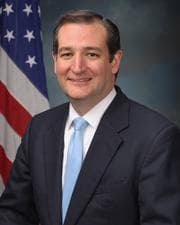
Ted Cruz
Republican Senator
Texas
Cosponsors (21)
Jeanne Shaheen (Democratic)Bill Cassidy (Republican)Adam B. Schiff (Democratic)Catherine Cortez Masto (Democratic)Cynthia M. Lummis (Republican)Marsha Blackburn (Republican)Todd Young (Republican)John R. Curtis (Republican)Amy Klobuchar (Democratic)Roger F. Wicker (Republican)John W. Hickenlooper (Democratic)Tim Sheehy (Republican)Jacky Rosen (Democratic)John Barrasso (Republican)Martin Heinrich (Democratic)Cory A. Booker (Democratic)Raphael G. Warnock (Democratic)Gary C. Peters (Democratic)Richard Blumenthal (Democratic)Ted Budd (Republican)Shelley Moore Capito (Republican)
Commerce, Science, and Transportation Committee
- Introduced
- In Committee
- On Floor
- Passed Chamber
- Enacted
The "TAKE IT DOWN Act" establishes new federal criminal prohibitions against the nonconsensual sharing of intimate visual depictions and digital forgeries. This legislation aims to protect individuals, both adults and minors, from the harmful publication of their private images, whether authentic or artificially generated. It defines "intimate visual depiction" and "digital forgery" to encompass a broad range of nonconsensual content. For adults, it is unlawful to knowingly publish an authentic intimate visual depiction if it was obtained under circumstances with a reasonable expectation of privacy, was not voluntarily exposed in public, is not a matter of public concern, and is intended to cause or causes harm. For minors, publishing such content is unlawful if done with intent to abuse, humiliate, harass, degrade, or to arouse sexual desire. The act explicitly states that consent for creation does not imply consent for publication. Similarly, the act criminalizes the knowing publication of digital forgeries of identifiable individuals without consent, applying similar harm criteria for adults and specific intent for minors. Penalties for violating these provisions include fines and imprisonment, with offenses involving minors carrying higher maximum sentences. The bill also includes provisions for forfeiture of property related to the violation and mandates restitution to victims, while providing exceptions for law enforcement, good faith disclosures, and self-depictions. Beyond criminalizing individuals, the Act imposes obligations on covered platforms , which are defined as websites or online services primarily hosting user-generated content or regularly publishing nonconsensual intimate visual depictions. Within one year, these platforms must establish a clear notice-and-removal process for victims to report such content, providing conspicuous notice to users. Upon receiving a valid request, platforms are required to remove the intimate visual depiction and make reasonable efforts to remove identical copies within 48 hours. Failure by a covered platform to reasonably comply with these notice and takedown obligations will be treated as an unfair or deceptive act or practice, enforceable by the Federal Trade Commission (FTC). The FTC is granted broad enforcement powers, including over non-profit organizations, to ensure compliance with these provisions.
Suggested Questions
Get AI-generated questions to help you understand this bill better
Timeline
Introduced in Senate
Read twice and referred to the Committee on Commerce, Science, and Transportation.
Passed Senate without amendment by Unanimous Consent. (consideration: CR S988; text: CR S988-990)
Passed/agreed to in Senate: Passed Senate without amendment by Unanimous Consent.
Message on Senate action sent to the House.
Senate Committee on Commerce, Science, and Transportation discharged by Unanimous Consent.
Received in the House.
Held at the desk.
Mr. Bilirakis moved to suspend the rules and pass the bill.
Considered under suspension of the rules. (consideration: CR H1644-1643)
Considered under suspension of the rules. (consideration: CR H1644-1643: 1)
DEBATE - The House proceeded with forty minutes of debate on S. 146.
At the conclusion of debate, the Yeas and Nays were demanded and ordered. Pursuant to the provisions of clause 8, rule XX, the Chair announced that further proceedings on the motion would be postponed.
Considered as unfinished business. (consideration: CR H1669: 1)
Considered as unfinished business. (consideration: CR H1669)
On motion to suspend the rules and pass the bill Agreed to by the Yeas and Nays: (2/3 required): 409 - 2 (Roll no. 104). (text: CR H1644-1645)
View VoteMotion to reconsider laid on the table Agreed to without objection.
Presented to President.
Signed by President.
Became Public Law No: 119-12.
Science, Technology, Communications
Child safety and welfareCrimes against childrenCriminal investigation, prosecution, interrogationDigital mediaFraud offenses and financial crimesInternet, web applications, social mediaPornographySex offenses
TAKE IT DOWN Act
USA119th CongressS-146| Senate
| Updated: 5/19/2025
The "TAKE IT DOWN Act" establishes new federal criminal prohibitions against the nonconsensual sharing of intimate visual depictions and digital forgeries. This legislation aims to protect individuals, both adults and minors, from the harmful publication of their private images, whether authentic or artificially generated. It defines "intimate visual depiction" and "digital forgery" to encompass a broad range of nonconsensual content. For adults, it is unlawful to knowingly publish an authentic intimate visual depiction if it was obtained under circumstances with a reasonable expectation of privacy, was not voluntarily exposed in public, is not a matter of public concern, and is intended to cause or causes harm. For minors, publishing such content is unlawful if done with intent to abuse, humiliate, harass, degrade, or to arouse sexual desire. The act explicitly states that consent for creation does not imply consent for publication. Similarly, the act criminalizes the knowing publication of digital forgeries of identifiable individuals without consent, applying similar harm criteria for adults and specific intent for minors. Penalties for violating these provisions include fines and imprisonment, with offenses involving minors carrying higher maximum sentences. The bill also includes provisions for forfeiture of property related to the violation and mandates restitution to victims, while providing exceptions for law enforcement, good faith disclosures, and self-depictions. Beyond criminalizing individuals, the Act imposes obligations on covered platforms , which are defined as websites or online services primarily hosting user-generated content or regularly publishing nonconsensual intimate visual depictions. Within one year, these platforms must establish a clear notice-and-removal process for victims to report such content, providing conspicuous notice to users. Upon receiving a valid request, platforms are required to remove the intimate visual depiction and make reasonable efforts to remove identical copies within 48 hours. Failure by a covered platform to reasonably comply with these notice and takedown obligations will be treated as an unfair or deceptive act or practice, enforceable by the Federal Trade Commission (FTC). The FTC is granted broad enforcement powers, including over non-profit organizations, to ensure compliance with these provisions.
Suggested Questions
Get AI-generated questions to help you understand this bill better
Timeline
Introduced in Senate
Read twice and referred to the Committee on Commerce, Science, and Transportation.
Passed Senate without amendment by Unanimous Consent. (consideration: CR S988; text: CR S988-990)
Passed/agreed to in Senate: Passed Senate without amendment by Unanimous Consent.
Message on Senate action sent to the House.
Senate Committee on Commerce, Science, and Transportation discharged by Unanimous Consent.
Received in the House.
Held at the desk.
Mr. Bilirakis moved to suspend the rules and pass the bill.
Considered under suspension of the rules. (consideration: CR H1644-1643)
Considered under suspension of the rules. (consideration: CR H1644-1643: 1)
DEBATE - The House proceeded with forty minutes of debate on S. 146.
At the conclusion of debate, the Yeas and Nays were demanded and ordered. Pursuant to the provisions of clause 8, rule XX, the Chair announced that further proceedings on the motion would be postponed.
Considered as unfinished business. (consideration: CR H1669: 1)
Considered as unfinished business. (consideration: CR H1669)
On motion to suspend the rules and pass the bill Agreed to by the Yeas and Nays: (2/3 required): 409 - 2 (Roll no. 104). (text: CR H1644-1645)
View VoteMotion to reconsider laid on the table Agreed to without objection.
Presented to President.
Signed by President.
Became Public Law No: 119-12.
Ted Cruz
Republican Senator
Texas
Cosponsors (21)
Jeanne Shaheen (Democratic)Bill Cassidy (Republican)Adam B. Schiff (Democratic)Catherine Cortez Masto (Democratic)Cynthia M. Lummis (Republican)Marsha Blackburn (Republican)Todd Young (Republican)John R. Curtis (Republican)Amy Klobuchar (Democratic)Roger F. Wicker (Republican)John W. Hickenlooper (Democratic)Tim Sheehy (Republican)Jacky Rosen (Democratic)John Barrasso (Republican)Martin Heinrich (Democratic)Cory A. Booker (Democratic)Raphael G. Warnock (Democratic)Gary C. Peters (Democratic)Richard Blumenthal (Democratic)Ted Budd (Republican)Shelley Moore Capito (Republican)
Commerce, Science, and Transportation Committee
Science, Technology, Communications
- Introduced
- In Committee
- On Floor
- Passed Chamber
- Enacted
Child safety and welfareCrimes against childrenCriminal investigation, prosecution, interrogationDigital mediaFraud offenses and financial crimesInternet, web applications, social mediaPornographySex offenses