Competition and Antitrust Law Enforcement Reform Act of 2025
USA119th CongressS-130| Senate
| Updated: 1/16/2025
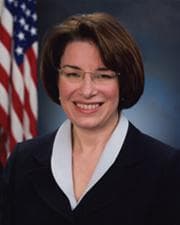
Amy Klobuchar
Democratic Senator
Minnesota
Cosponsors (13)
Mazie K. Hirono (Democratic)Edward J. Markey (Democratic)Mark R. Warner (Democratic)Sheldon Whitehouse (Democratic)Christopher Murphy (Democratic)Martin Heinrich (Democratic)Michael F. Bennet (Democratic)Tina Smith (Democratic)Brian Schatz (Democratic)Cory A. Booker (Democratic)Peter Welch (Democratic)Ron Wyden (Democratic)Richard Blumenthal (Democratic)
Judiciary Committee
- Introduced
- In Committee
- On Floor
- Passed Chamber
- Enacted
This bill aims to significantly reform and strengthen antitrust laws to better protect competition, consumers, and workers in the American economy. It addresses concerns about growing market power, extensive consolidation, and the perceived limitations of current antitrust enforcement. The legislation seeks to enhance the ability of federal agencies to prevent anticompetitive practices and deter harmful conduct. It modifies the standard for unlawful acquisitions under the Clayton Act, changing "substantially to lessen competition" to "create an appreciable risk of materially lessening competition " and explicitly including the creation of a monopsony . The bill establishes conditions under which an acquisition is presumed unlawful, such as significant market concentration, a party having over 50% market share, or transactions exceeding specific monetary thresholds. In such cases, the burden shifts to the merging parties to prove the acquisition will not materially harm competition. The legislation defines exclusionary conduct as actions that materially disadvantage or limit competitors, making it unlawful if it presents an appreciable risk of harming competition. For firms with significant market power (over 50% market share), such conduct is presumed to harm competition, placing the burden on the defendant to demonstrate procompetitive benefits or market self-correction. It clarifies that proving below-cost pricing or market definition is not always necessary to establish a violation. The bill introduces new civil monetary penalties for violations of the Sherman Act and the new exclusionary conduct provisions, allowing fines up to 15% of total U.S. revenues or 30% of revenues in the affected line of commerce. It mandates the Department of Justice and Federal Trade Commission to issue joint guidelines for determining appropriate civil penalty amounts, aiming for transparency and effective deterrence. It establishes an Office of the Competition Advocate within the FTC to recommend improvements in soliciting reports on anticompetitive practices, provide recommendations to agencies, and publish periodic reports on the effects of antitrust remedies and enforcement actions. Additionally, an Office of Market Analysis and Data is created to collect, validate, and publish data on market concentration, merger enforcement, and the competitive impacts of acquisitions, including post-proceeding data from companies. The legislation provides robust anti-retaliation protections for employees, contractors, and agents who report antitrust violations to the government. It also creates a whistleblower reward program for criminal antitrust violations, offering successful informants 10% to 30% of collected criminal fines exceeding $1 million. The bill prohibits the enforcement of predispute arbitration agreements or joint-action waivers for antitrust disputes seeking class action certification. It clarifies that establishing antitrust liability does not always require defining a relevant market, especially when direct evidence of harm exists, and limits implied immunity from antitrust laws. Finally, it authorizes increased appropriations for the Antitrust Division and the FTC to enhance their enforcement capabilities.
View Full TextSuggested Questions
Get AI-generated questions to help you understand this bill better
Timeline
Introduced in Senate
Read twice and referred to the Committee on the Judiciary.
Commerce
Competition and Antitrust Law Enforcement Reform Act of 2025
USA119th CongressS-130| Senate
| Updated: 1/16/2025
This bill aims to significantly reform and strengthen antitrust laws to better protect competition, consumers, and workers in the American economy. It addresses concerns about growing market power, extensive consolidation, and the perceived limitations of current antitrust enforcement. The legislation seeks to enhance the ability of federal agencies to prevent anticompetitive practices and deter harmful conduct. It modifies the standard for unlawful acquisitions under the Clayton Act, changing "substantially to lessen competition" to "create an appreciable risk of materially lessening competition " and explicitly including the creation of a monopsony . The bill establishes conditions under which an acquisition is presumed unlawful, such as significant market concentration, a party having over 50% market share, or transactions exceeding specific monetary thresholds. In such cases, the burden shifts to the merging parties to prove the acquisition will not materially harm competition. The legislation defines exclusionary conduct as actions that materially disadvantage or limit competitors, making it unlawful if it presents an appreciable risk of harming competition. For firms with significant market power (over 50% market share), such conduct is presumed to harm competition, placing the burden on the defendant to demonstrate procompetitive benefits or market self-correction. It clarifies that proving below-cost pricing or market definition is not always necessary to establish a violation. The bill introduces new civil monetary penalties for violations of the Sherman Act and the new exclusionary conduct provisions, allowing fines up to 15% of total U.S. revenues or 30% of revenues in the affected line of commerce. It mandates the Department of Justice and Federal Trade Commission to issue joint guidelines for determining appropriate civil penalty amounts, aiming for transparency and effective deterrence. It establishes an Office of the Competition Advocate within the FTC to recommend improvements in soliciting reports on anticompetitive practices, provide recommendations to agencies, and publish periodic reports on the effects of antitrust remedies and enforcement actions. Additionally, an Office of Market Analysis and Data is created to collect, validate, and publish data on market concentration, merger enforcement, and the competitive impacts of acquisitions, including post-proceeding data from companies. The legislation provides robust anti-retaliation protections for employees, contractors, and agents who report antitrust violations to the government. It also creates a whistleblower reward program for criminal antitrust violations, offering successful informants 10% to 30% of collected criminal fines exceeding $1 million. The bill prohibits the enforcement of predispute arbitration agreements or joint-action waivers for antitrust disputes seeking class action certification. It clarifies that establishing antitrust liability does not always require defining a relevant market, especially when direct evidence of harm exists, and limits implied immunity from antitrust laws. Finally, it authorizes increased appropriations for the Antitrust Division and the FTC to enhance their enforcement capabilities.
View Full TextSuggested Questions
Get AI-generated questions to help you understand this bill better
Timeline
Introduced in Senate
Read twice and referred to the Committee on the Judiciary.
Amy Klobuchar
Democratic Senator
Minnesota
Cosponsors (13)
Mazie K. Hirono (Democratic)Edward J. Markey (Democratic)Mark R. Warner (Democratic)Sheldon Whitehouse (Democratic)Christopher Murphy (Democratic)Martin Heinrich (Democratic)Michael F. Bennet (Democratic)Tina Smith (Democratic)Brian Schatz (Democratic)Cory A. Booker (Democratic)Peter Welch (Democratic)Ron Wyden (Democratic)Richard Blumenthal (Democratic)
Judiciary Committee
Commerce
- Introduced
- In Committee
- On Floor
- Passed Chamber
- Enacted