Competition and Antitrust Law Enforcement Reform Act of 2021
USA117th CongressS-225| Senate
| Updated: 2/4/2021
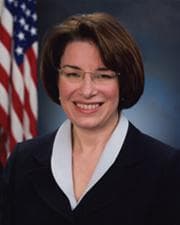
Amy Klobuchar
Democratic Senator
Minnesota
Cosponsors (9)
Judiciary Committee
- Introduced
- In Committee
- On Floor
- Passed Chamber
- Enacted
Competition and Antitrust Law Enforcement Reform Act of 2021 This bill revises antitrust laws applicable to mergers and anticompetitive conduct. Specifically, the bill applies a stricter standard for permissible mergers by prohibiting mergers that (1) create an appreciable risk of materially lessening competition, or (2) unfairly lower the prices of goods or wages because of a lack of competition among buyers or employers (i.e., a monopsony). Under current law, mergers that substantially lessen competition are prohibited. Additionally, for some large mergers or mergers that concentrate markets beyond a certain threshold, the bill shifts the burden of proof to the merging parties to prove that the merger does not violate the law. The bill also prohibits exclusionary conduct that presents an appreciable risk of harming competition. The bill also establishes monetary penalties for violations, requires annual reporting for certain mergers and acquisitions, establishes within the Federal Trade Commission (FTC) the Office of the Competition Advocate, and sets forth whistleblower protections. The Government Accountability Office must report on (1) the success of merger remedies required by the Department of Justice or the FTC in recent consent decrees; and (2) the impact of mergers and acquisitions on wages, employment, innovation, and new business formation.
View Full TextSuggested Questions
Get AI-generated questions to help you understand this bill better
Timeline
Introduced in Senate
Read twice and referred to the Committee on the Judiciary.
Commerce
Administrative law and regulatory proceduresBusiness recordsCivil actions and liabilityCompetition and antitrustConsumer affairsCorporate finance and managementCriminal investigation, prosecution, interrogationDepartment of JusticeEmployment discrimination and employee rightsEvidence and witnessesExecutive agency funding and structureFederal Trade Commission (FTC)Government information and archivesInflation and pricesInterest, dividends, interest ratesSmall businessWages and earnings
Competition and Antitrust Law Enforcement Reform Act of 2021
USA117th CongressS-225| Senate
| Updated: 2/4/2021
Competition and Antitrust Law Enforcement Reform Act of 2021 This bill revises antitrust laws applicable to mergers and anticompetitive conduct. Specifically, the bill applies a stricter standard for permissible mergers by prohibiting mergers that (1) create an appreciable risk of materially lessening competition, or (2) unfairly lower the prices of goods or wages because of a lack of competition among buyers or employers (i.e., a monopsony). Under current law, mergers that substantially lessen competition are prohibited. Additionally, for some large mergers or mergers that concentrate markets beyond a certain threshold, the bill shifts the burden of proof to the merging parties to prove that the merger does not violate the law. The bill also prohibits exclusionary conduct that presents an appreciable risk of harming competition. The bill also establishes monetary penalties for violations, requires annual reporting for certain mergers and acquisitions, establishes within the Federal Trade Commission (FTC) the Office of the Competition Advocate, and sets forth whistleblower protections. The Government Accountability Office must report on (1) the success of merger remedies required by the Department of Justice or the FTC in recent consent decrees; and (2) the impact of mergers and acquisitions on wages, employment, innovation, and new business formation.
View Full TextSuggested Questions
Get AI-generated questions to help you understand this bill better
Timeline
Introduced in Senate
Read twice and referred to the Committee on the Judiciary.
Amy Klobuchar
Democratic Senator
Minnesota
Cosponsors (9)
Judiciary Committee
Commerce
- Introduced
- In Committee
- On Floor
- Passed Chamber
- Enacted
Administrative law and regulatory proceduresBusiness recordsCivil actions and liabilityCompetition and antitrustConsumer affairsCorporate finance and managementCriminal investigation, prosecution, interrogationDepartment of JusticeEmployment discrimination and employee rightsEvidence and witnessesExecutive agency funding and structureFederal Trade Commission (FTC)Government information and archivesInflation and pricesInterest, dividends, interest ratesSmall businessWages and earnings