No Contracts with Foreign Adversaries Act
USA119th CongressHR-938| House
| Updated: 2/4/2025
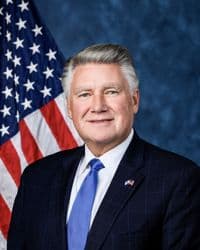
Mark Harris
Republican Representative
North Carolina
Cosponsors (1)
Education and Workforce Committee
- Introduced
- In Committee
- On Floor
- Passed Chamber
- Enacted
The "No Contracts with Foreign Adversaries Act" amends the Higher Education Act of 1965 to prohibit institutions from entering into contracts with designated foreign countries of concern or foreign entities of concern , aiming to safeguard U.S. national security by regulating agreements between U.S. academic institutions and potentially adversarial foreign sources. The bill broadly defines "contract" to include various agreements for property, services, or affiliations. Institutions may seek a 1-year waiver for prohibited contracts by submitting a request to the Secretary of Education, which must include the complete contract text and a certified statement from a designated compliance officer . This statement must affirm the contract benefits the institution and promotes the security, stability, and economic vitality of the United States . The Secretary, in consultation with multiple federal agencies, will issue waivers only if these criteria are met, and Congress must be notified prior to issuance. Existing contracts with newly designated foreign entities or countries of concern must also seek waivers or be terminated within 60 days. The bill establishes an enforcement mechanism, allowing the Secretary to investigate violations and the Attorney General to pursue civil actions. Penalties for non-compliance include significant fines, ranging from 5-10% for first-time offenses to at least 20% for subsequent violations, based on federal funds received. Repeated violations (three times in three calendar years) can lead to ineligibility for future waivers and, for three consecutive fiscal years of violations, ineligibility to participate in federal higher education programs for at least two years, underscoring the bill's strict compliance framework.
Suggested Questions
Get AI-generated questions to help you understand this bill better
Timeline
Introduced in House
Referred to the House Committee on Education and Workforce.
Education
Civil actions and liabilityCongressional oversightContracts and agencyEducation programs fundingGovernment studies and investigationsHigher educationSubversive activities
No Contracts with Foreign Adversaries Act
USA119th CongressHR-938| House
| Updated: 2/4/2025
The "No Contracts with Foreign Adversaries Act" amends the Higher Education Act of 1965 to prohibit institutions from entering into contracts with designated foreign countries of concern or foreign entities of concern , aiming to safeguard U.S. national security by regulating agreements between U.S. academic institutions and potentially adversarial foreign sources. The bill broadly defines "contract" to include various agreements for property, services, or affiliations. Institutions may seek a 1-year waiver for prohibited contracts by submitting a request to the Secretary of Education, which must include the complete contract text and a certified statement from a designated compliance officer . This statement must affirm the contract benefits the institution and promotes the security, stability, and economic vitality of the United States . The Secretary, in consultation with multiple federal agencies, will issue waivers only if these criteria are met, and Congress must be notified prior to issuance. Existing contracts with newly designated foreign entities or countries of concern must also seek waivers or be terminated within 60 days. The bill establishes an enforcement mechanism, allowing the Secretary to investigate violations and the Attorney General to pursue civil actions. Penalties for non-compliance include significant fines, ranging from 5-10% for first-time offenses to at least 20% for subsequent violations, based on federal funds received. Repeated violations (three times in three calendar years) can lead to ineligibility for future waivers and, for three consecutive fiscal years of violations, ineligibility to participate in federal higher education programs for at least two years, underscoring the bill's strict compliance framework.
Suggested Questions
Get AI-generated questions to help you understand this bill better
Timeline
Introduced in House
Referred to the House Committee on Education and Workforce.
Mark Harris
Republican Representative
North Carolina
Cosponsors (1)
Education and Workforce Committee
Education
Related Bills
- Introduced
- In Committee
- On Floor
- Passed Chamber
- Enacted
Civil actions and liabilityCongressional oversightContracts and agencyEducation programs fundingGovernment studies and investigationsHigher educationSubversive activities