USA Act
USA119th CongressHR-9326| House
| Updated: 7/21/2026
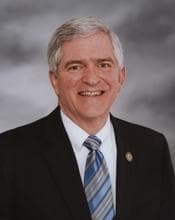
Daniel Webster
Republican Representative
Florida
Cosponsors (1)
Science, Space, and Technology Committee
- Introduced
- In Committee
- On Floor
- Passed Chamber
- Enacted
This bill, known as the "Utilize Standards for All Act" or "USA Act," seeks to enhance United States leadership in the development of technical standards, particularly for artificial intelligence and other critical and emerging technologies . It amends existing law to direct the National Institute of Standards and Technology (NIST) to advance principles of openness and consensus in international standards development, promote private sector-led voluntary standards, and strengthen public-private partnerships to advance U.S. interests and economic competitiveness. To achieve these goals, the bill mandates that NIST brief Congress on opportunities for federal support in industry-led standards development and establish a mechanism for federal agencies to report their participation in such activities. Furthermore, NIST must create an accessible web portal to inform U.S. industry and federal agencies about ongoing international standards efforts and opportunities for engagement. A key provision establishes a pilot program , administered by NIST, to award grants to eligible entities for hosting standards meetings for AI and other critical emerging technologies within the United States. These grants can cover up to 50 percent of meeting costs, with NIST developing guidance for eligibility and award criteria. The program aims to facilitate U.S. participation and influence in global standards setting, with annual congressional briefings on its effectiveness and potential recommendations for permanent implementation before its termination after five years.
View Full TextSuggested Questions
Get AI-generated questions to help you understand this bill better
Timeline
Introduced in House
Referred to the House Committee on Science, Space, and Technology.
Ordered to be Reported in the Nature of a Substitute (Amended) by Voice Vote.
Committee Consideration and Mark-up Session Held
Science, Technology, Communications
USA Act
USA119th CongressHR-9326| House
| Updated: 7/21/2026
This bill, known as the "Utilize Standards for All Act" or "USA Act," seeks to enhance United States leadership in the development of technical standards, particularly for artificial intelligence and other critical and emerging technologies . It amends existing law to direct the National Institute of Standards and Technology (NIST) to advance principles of openness and consensus in international standards development, promote private sector-led voluntary standards, and strengthen public-private partnerships to advance U.S. interests and economic competitiveness. To achieve these goals, the bill mandates that NIST brief Congress on opportunities for federal support in industry-led standards development and establish a mechanism for federal agencies to report their participation in such activities. Furthermore, NIST must create an accessible web portal to inform U.S. industry and federal agencies about ongoing international standards efforts and opportunities for engagement. A key provision establishes a pilot program , administered by NIST, to award grants to eligible entities for hosting standards meetings for AI and other critical emerging technologies within the United States. These grants can cover up to 50 percent of meeting costs, with NIST developing guidance for eligibility and award criteria. The program aims to facilitate U.S. participation and influence in global standards setting, with annual congressional briefings on its effectiveness and potential recommendations for permanent implementation before its termination after five years.
View Full TextSuggested Questions
Get AI-generated questions to help you understand this bill better
Timeline
Introduced in House
Referred to the House Committee on Science, Space, and Technology.
Ordered to be Reported in the Nature of a Substitute (Amended) by Voice Vote.
Committee Consideration and Mark-up Session Held
Daniel Webster
Republican Representative
Florida
Cosponsors (1)
Science, Space, and Technology Committee
Science, Technology, Communications
Related Bills
- Introduced
- In Committee
- On Floor
- Passed Chamber
- Enacted