Biodefense Diplomacy Enhancement Act
USA119th CongressHR-7653| House
| Updated: 3/26/2026
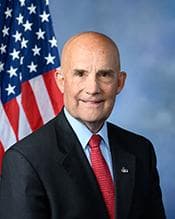
Keith Self
Republican Representative
Texas
Cosponsors (6)
Foreign Affairs Committee
- Introduced
- In Committee
- On Floor
- Passed Chamber
- Enacted
This bill, titled the Biodefense Diplomacy Enhancement Act, mandates the Secretary of State to significantly enhance United States diplomatic engagement on international biodefense, biosecurity, and biotechnology. The primary goal is to improve cooperation with U.S. allies and partners in these critical fields. The Secretary, potentially through the Under Secretary for Arms Control and International Security, is tasked with leading these efforts. A key focus is strengthening biodefense cooperation within NATO . This involves advocating for policy development, evaluating opportunities to enhance NATO planning and activities, and pursuing revisions to the NATO Chemical, Biological, Radiological, and Nuclear Defence Policy. The Act also aims to improve NATO interoperability and allied forces' capabilities in resilience, detection, and response to potential weaponized biological attacks, while promoting adherence to high safety and security standards in biological research among member states. Beyond NATO, the bill directs the Secretary to pursue cooperation with other U.S. allies and partners, including major non-NATO allies. This includes exploring new areas of collaboration, coordinating export control policies for dual-use biotechnology items that could pose national security risks, and promoting adherence to the highest safety and security standards in biological research globally. Furthermore, it emphasizes collaborative efforts to enforce the Biological Weapons Convention. The legislation requires the development of two key strategies: a NATO Biodefense Strategy and an International Biotechnology, Biosecurity, and Biodefense Cooperation Strategy . These strategies will assess current cooperation, identify gaps, and propose recommendations for enhanced capabilities and coordination mechanisms. They will also evaluate the feasibility of coordinating export control efforts and outline proposals for expanding cooperation and increasing the effectiveness of such controls. The Secretary must submit a report containing these strategies to Congress within 270 days and provide a congressional briefing on significant developments within 90 days.
View Full TextSuggested Questions
Get AI-generated questions to help you understand this bill better
Timeline
Introduced in House
Referred to the House Committee on Foreign Affairs.
Ordered to be Reported by the Yeas and Nays: 46 - 0.
Committee Consideration and Mark-up Session Held
International Affairs
AlliancesArms control and nonproliferationBiological and life sciencesChemical and biological weaponsCollective securityDiplomacy, foreign officials, Americans abroadInternational organizations and cooperationInternational scientific cooperationMedical research
Biodefense Diplomacy Enhancement Act
USA119th CongressHR-7653| House
| Updated: 3/26/2026
This bill, titled the Biodefense Diplomacy Enhancement Act, mandates the Secretary of State to significantly enhance United States diplomatic engagement on international biodefense, biosecurity, and biotechnology. The primary goal is to improve cooperation with U.S. allies and partners in these critical fields. The Secretary, potentially through the Under Secretary for Arms Control and International Security, is tasked with leading these efforts. A key focus is strengthening biodefense cooperation within NATO . This involves advocating for policy development, evaluating opportunities to enhance NATO planning and activities, and pursuing revisions to the NATO Chemical, Biological, Radiological, and Nuclear Defence Policy. The Act also aims to improve NATO interoperability and allied forces' capabilities in resilience, detection, and response to potential weaponized biological attacks, while promoting adherence to high safety and security standards in biological research among member states. Beyond NATO, the bill directs the Secretary to pursue cooperation with other U.S. allies and partners, including major non-NATO allies. This includes exploring new areas of collaboration, coordinating export control policies for dual-use biotechnology items that could pose national security risks, and promoting adherence to the highest safety and security standards in biological research globally. Furthermore, it emphasizes collaborative efforts to enforce the Biological Weapons Convention. The legislation requires the development of two key strategies: a NATO Biodefense Strategy and an International Biotechnology, Biosecurity, and Biodefense Cooperation Strategy . These strategies will assess current cooperation, identify gaps, and propose recommendations for enhanced capabilities and coordination mechanisms. They will also evaluate the feasibility of coordinating export control efforts and outline proposals for expanding cooperation and increasing the effectiveness of such controls. The Secretary must submit a report containing these strategies to Congress within 270 days and provide a congressional briefing on significant developments within 90 days.
View Full TextSuggested Questions
Get AI-generated questions to help you understand this bill better
Timeline
Introduced in House
Referred to the House Committee on Foreign Affairs.
Ordered to be Reported by the Yeas and Nays: 46 - 0.
Committee Consideration and Mark-up Session Held
Keith Self
Republican Representative
Texas
Cosponsors (6)
Foreign Affairs Committee
International Affairs
Related Bills
- Introduced
- In Committee
- On Floor
- Passed Chamber
- Enacted
AlliancesArms control and nonproliferationBiological and life sciencesChemical and biological weaponsCollective securityDiplomacy, foreign officials, Americans abroadInternational organizations and cooperationInternational scientific cooperationMedical research